Culture 3 min read
The names of Africa: from Rhodesia to Zimbabwe, from Tanganyika to Tanzania
Why Rhodesia is now called Zimbabwe, how Tanzania and Namibia came about, and what knowing where the names come from changes for the traveller.
Weltweg editorial team
In this article6 sections
Watching a documentary about Rhodesia, a simple question arises: why is that country now called Zimbabwe? In Africa the names on airport signs almost always tell a recent story, and that story is often the reason a place is visited in a certain way.
Zimbabwe: houses of stone against the name of a man
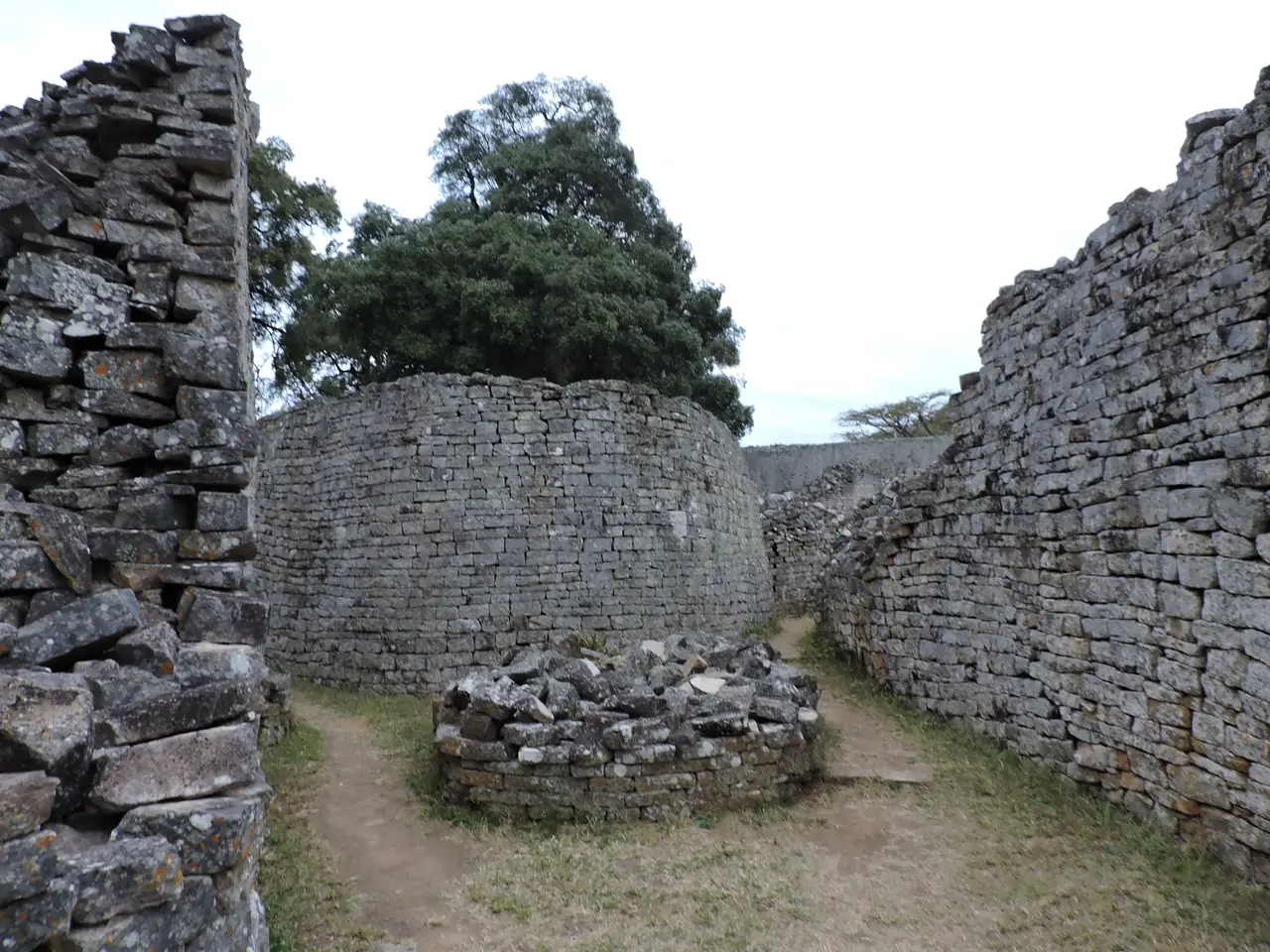
Rhodesia took its name from Cecil Rhodes, the British businessman whose company occupied the region at the end of the nineteenth century. At independence, in 1980, the country chose the opposite kind of name: Zimbabwe comes from the Shona words for houses of stone and refers to the ruins of Great Zimbabwe, the stone capital built by the ancestors of the Shona between the twelfth and fifteenth centuries. For decades colonial archaeologists had attributed those walls to anyone but Africans. The country’s name is the answer to that theory.
Tanzania: two countries that became one
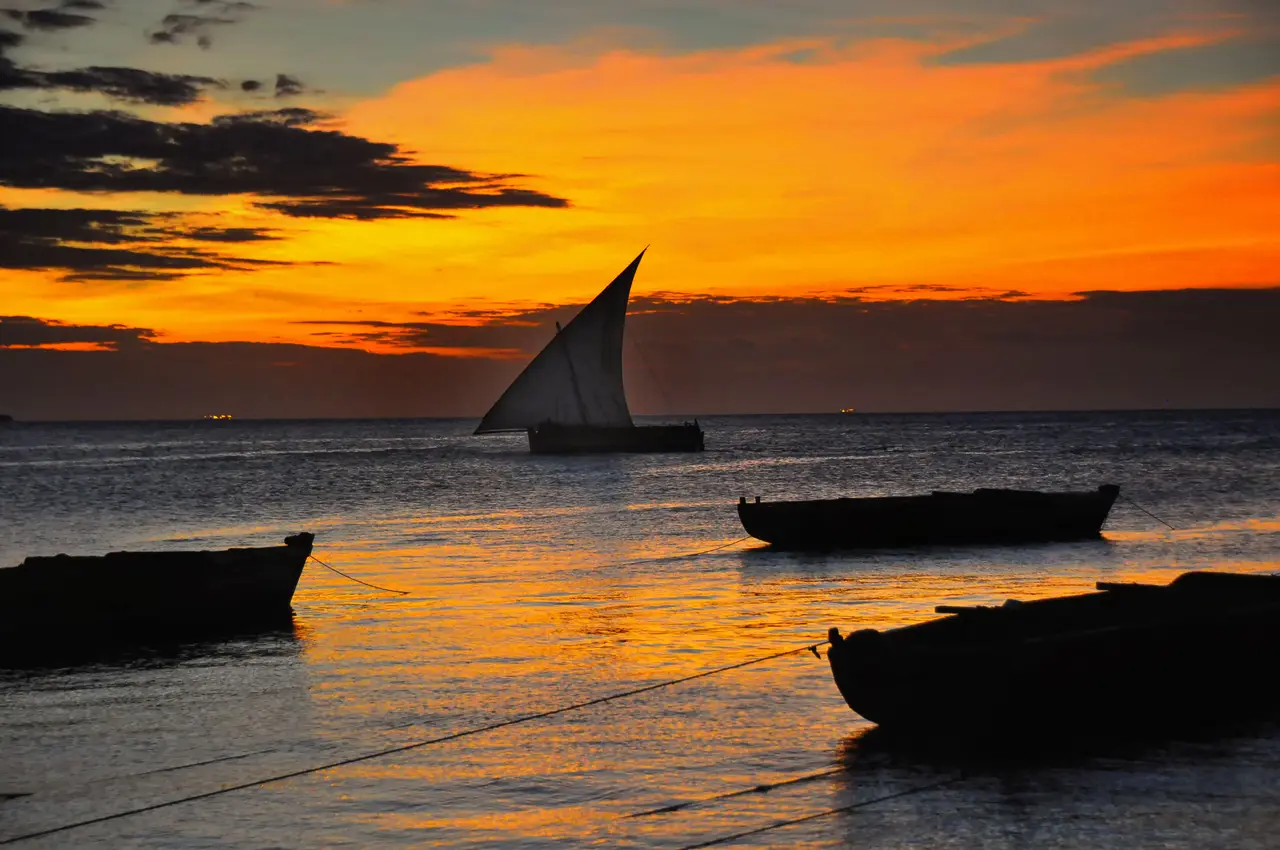
Tanganyika gained independence in 1961, Zanzibar in 1963. In 1964 the two united, and the new name was the sum of the two old ones. Anyone flying from Arusha to Zanzibar today still crosses that difference: two histories, two cultures, one passport. Even the country’s largest park has recently changed its name: the northern part of the Selous reserve, named after a British hunter, became Nyerere National Park in 2019, after the country’s first president.
Namibia: the desert that gave it its name
A German colony until the First World War, then administered by South Africa as South West Africa, Namibia has been independent since 1990 and takes its name from the Namib Desert, which in the Nama language means something like vast place where there is nothing. German names survive on the signs of Swakopmund and in the place names of the parks: you travel through that history simply by reading the road signs.
Kenya: a mountain
Kenya, independent since 1963, takes its name from Mount Kenya, which the Kikuyu call Kirinyaga. Nairobi’s airport bears the name of Jomo Kenyatta, Dar es Salaam’s that of Julius Nyerere: in East Africa the first thing you read on arrival is the name of the man who led the country to independence.
Two names for the same waterfall
The Victoria Falls have an English name, given by David Livingstone in 1855, and a far older Lozi one, Mosi-oa-Tunya, the smoke that thunders. Both are used today: the Zambian park bears the African name, the Zimbabwean one the English. It is not a linguistic detail: it is the way two countries tell the story of the same place.
Why a traveller should know this
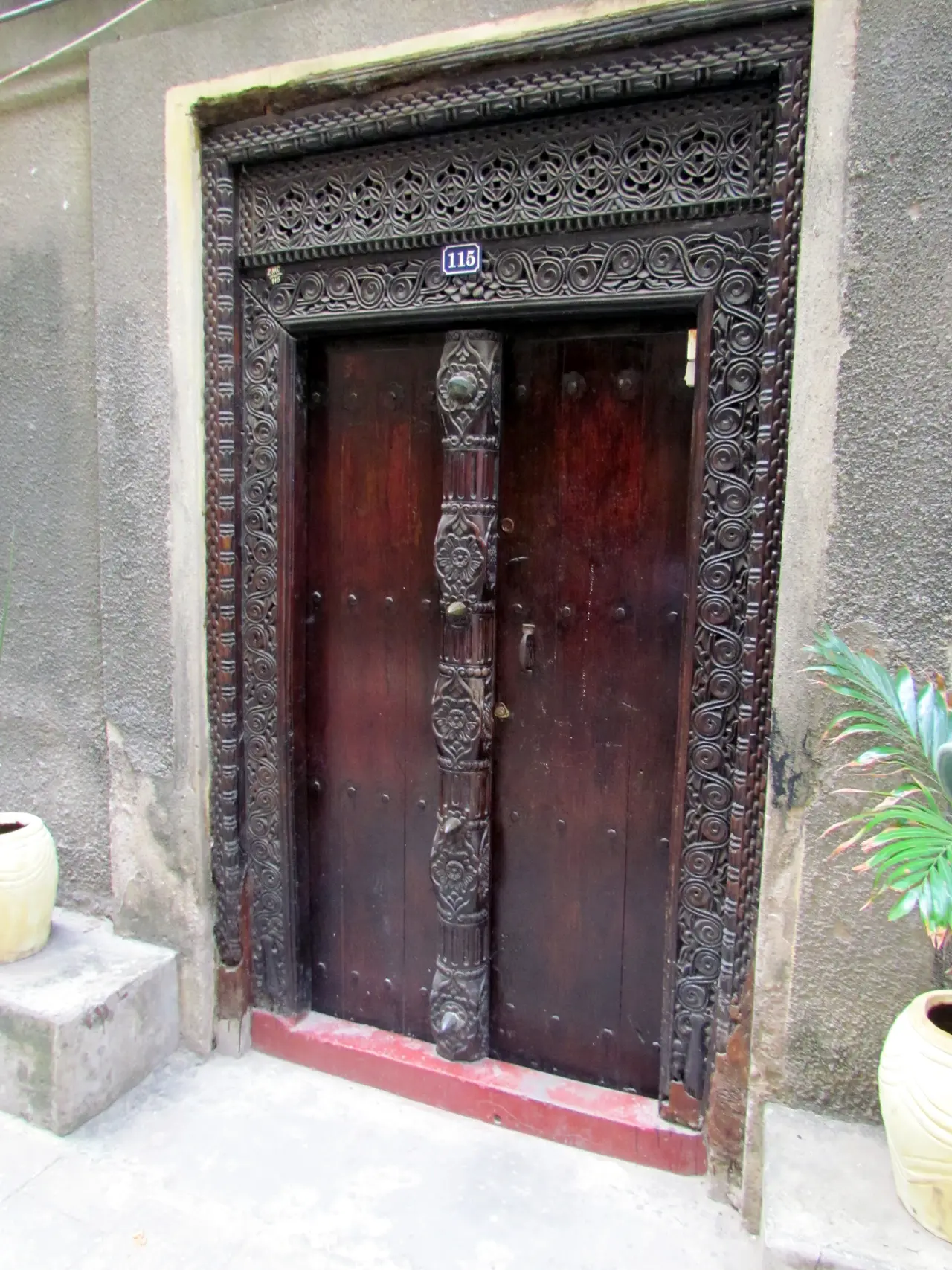
Because it changes what you see. The ruins of Great Zimbabwe stop being stones and become a capital. The houses of Stone Town, in Zanzibar, stop being merely beautiful and become the mark of a trade that included spices and slaves, with the Anglican cathedral built on the very site of the slave market. And a park that changes its name, like the Selous, tells you who decides today what African nature is called.