Culture 2 min read
What to eat in East Africa: from ugali to nyama choma
In the lodges the food is often European in style. Beyond them, the cooking of Kenya, Tanzania and Zanzibar tells the region’s story better than many guidebooks.
Weltweg editorial team
In this article5 sections
In lodges and tented camps the cooking is almost always designed for international guests. That is understandable, but it means missing part of the journey: East African cuisine is simple, built on a handful of staples, and bears the marks of centuries of exchange between Africa, Arabia and India.
Ugali, the foundation of everything
It is a firm maize porridge, cooked in water until it sets. On its own it has little flavour: you break off a piece with your fingers, shape it into a small hollow and use it to scoop up vegetables, meat or sauce. In Kenya and Tanzania it is the everyday dish of millions of families.
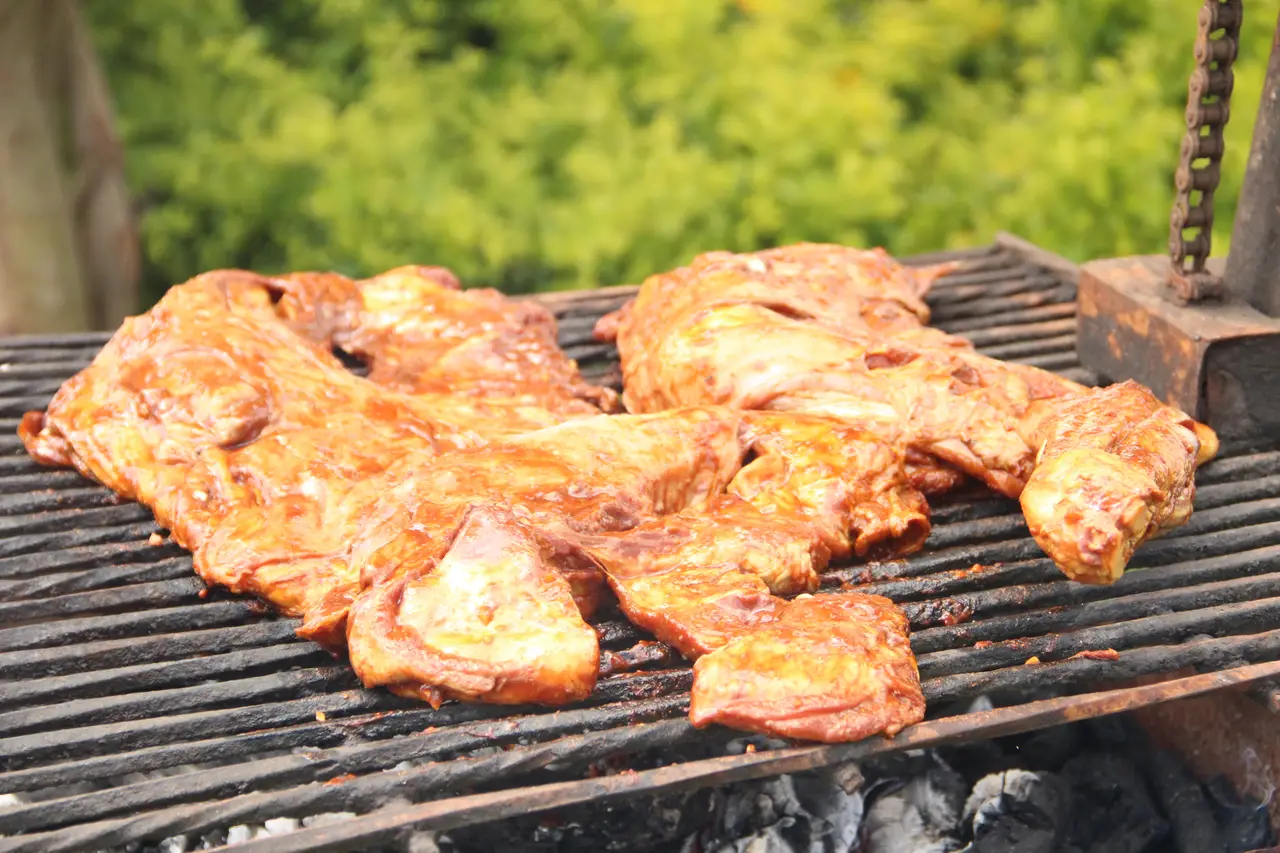
Nyama choma
In Swahili it means roast meat: usually goat or beef, grilled slowly and served in pieces, often with kachumbari, a raw salad of tomato, onion and chilli. It is the dish of conviviality, to be eaten at open-air spots rather than in restaurants.
Chapati, pilau and the spices of the coast
Chapati, a flatbread brought by the Indian communities, is now a household bread. On the coast and in Zanzibar the cooking changes: pilau rice scented with cinnamon, cardamom and cloves, fish in coconut, and the evening stalls of the Forodhani Gardens in Stone Town, where you can sample skewers, seafood and urojo, a sweet-and-sour soup typical of the island. It is Swahili culture seen from the plate.
At breakfast and on the street
Mandazi are fritters of leavened dough, sometimes flavoured with coconut or cardamom, eaten with chai, tea brewed in milk with spices. Along the roads you will find roasted maize cobs, samosas and tropical fruit.
Two precautions
Only water from sealed bottles, even for brushing your teeth, and fruit you can peel. In busy places, food cooked to order is usually the safest choice. And if you eat with your hands, use the right one.