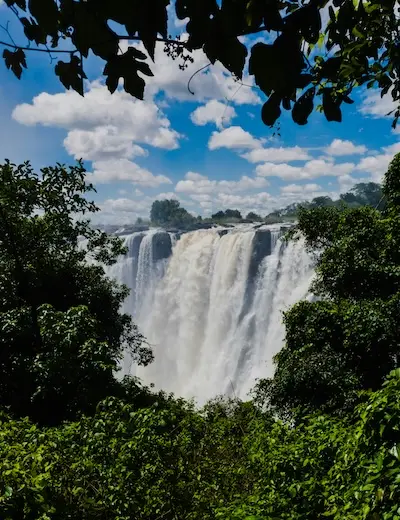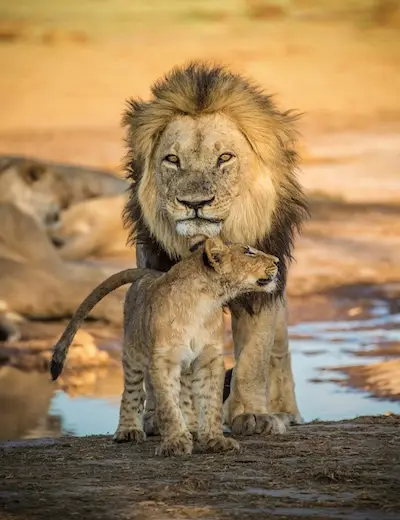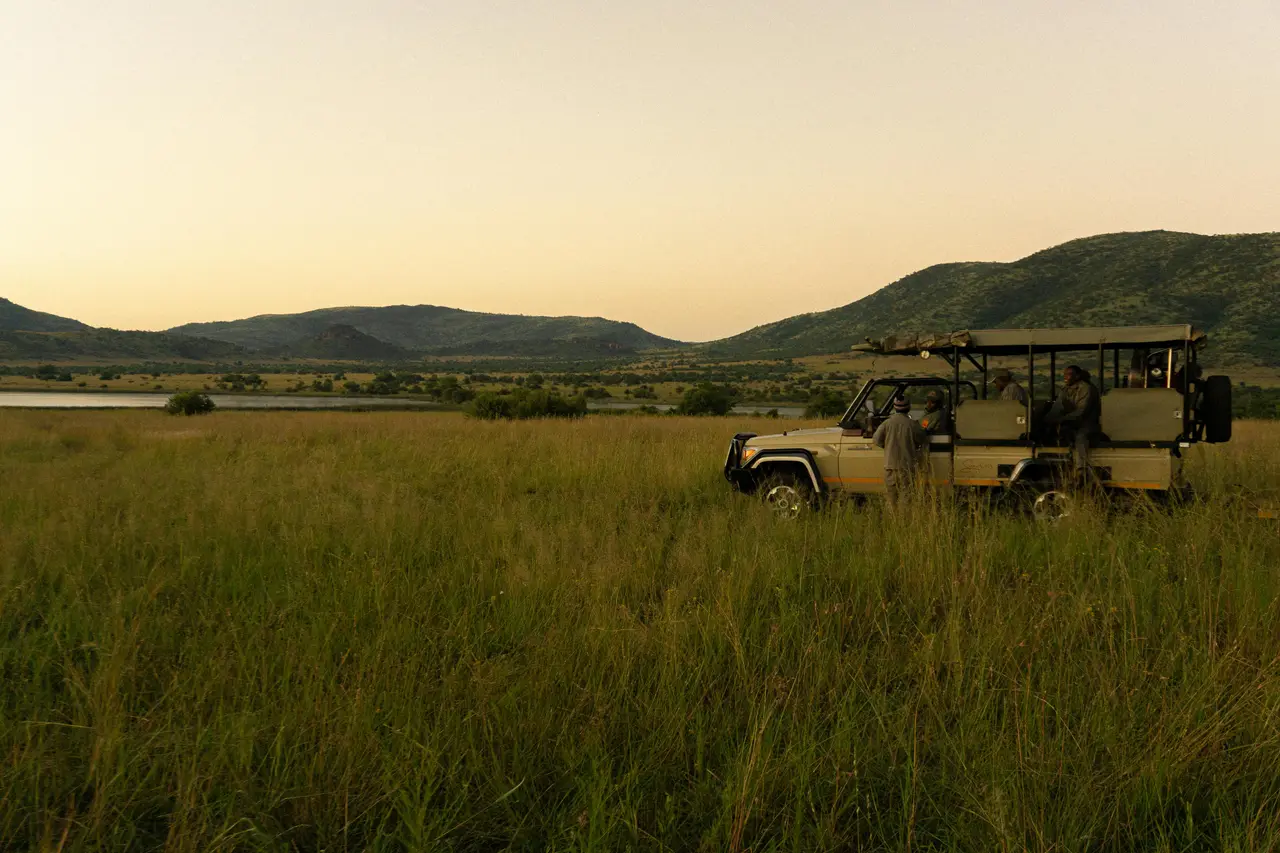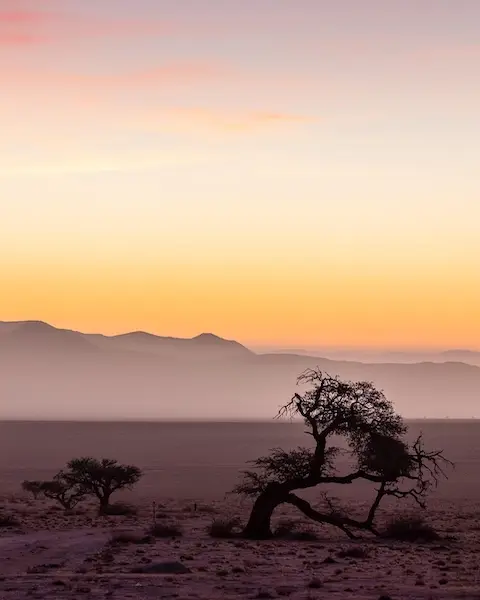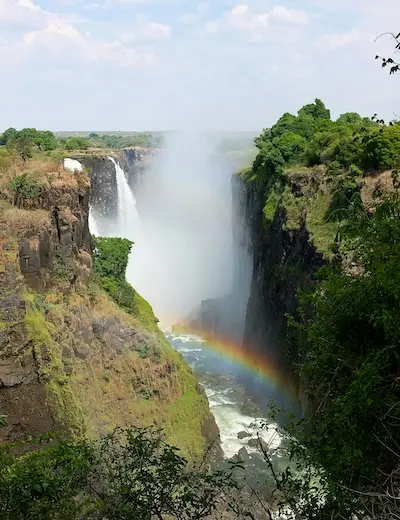
Zimbabwe has the most spectacular side of Victoria Falls, Hwange National Park with one of the largest elephant populations on the continent, and the ruins of Great Zimbabwe, the stone city that gave the country its name. Zimbabwean guides undergo the most rigorous training in southern Africa.
When to go
July to October for wildlife: in Hwange, during the dry season, elephants gather in their hundreds around the artificially fed waterholes. Towards October it is also the hottest period.
For the Falls, the flow peaks between March and May. From September to December the drop is easier to see, but with less water.
Documents and entry
A passport with six months’ validity. Here too the US$50 KAZA UniVisa applies, valid for 30 days for Zimbabwe and Zambia together and issued on arrival at Victoria Falls, Harare and Kazungula. Alternatively there is the single-country visa, to be applied for on the evisa.gov.zw portal or on arrival; the arrival form is now also completed online. You may take a maximum of US$2,000 in cash out of the country. FCDO travel advice for Zimbabwe. Payments are made in US dollars in cash: bring small denominations issued after 2009.
Health
Malaria prophylaxis is recommended, particularly in the Zambezi Valley and in Hwange during and after the rains. For vaccinations, the Italian Foreign Ministry refers travellers to their doctor: seek advice a few weeks in advance.
What to see
Victoria Falls: the Zimbabwean side offers a head-on view of the entire 1,700-metre face, which is why most visitors see them from here. Hwange: 14,600 km² and thousands of elephants. Mana Pools, a UNESCO World Heritage Site, where you move among the animals on foot and by canoe. Matobo Hills: granite formations, rhinos and rock art.