Calling it “Africa” is convenient and misleading: eight thousand kilometres lie between Cairo and Cape Town, more than separate Lisbon from Tehran. There is no single African climate, African cuisine or African culture. There are regions that have almost nothing in common.
The great regions
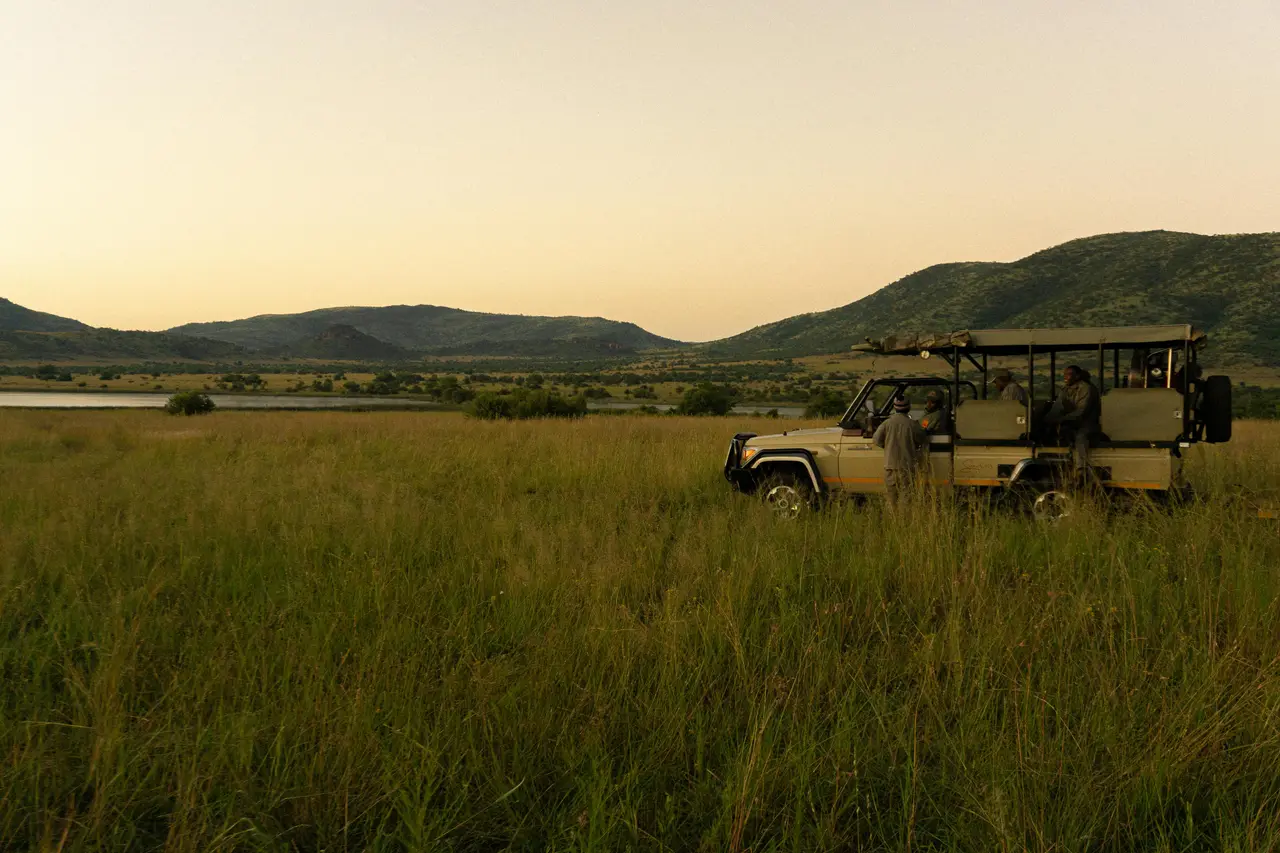
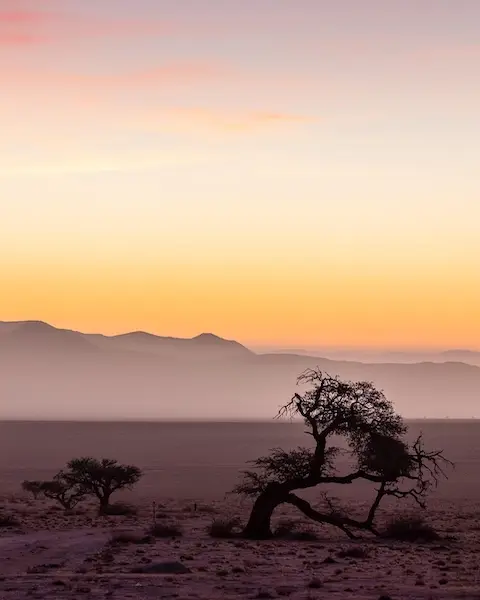
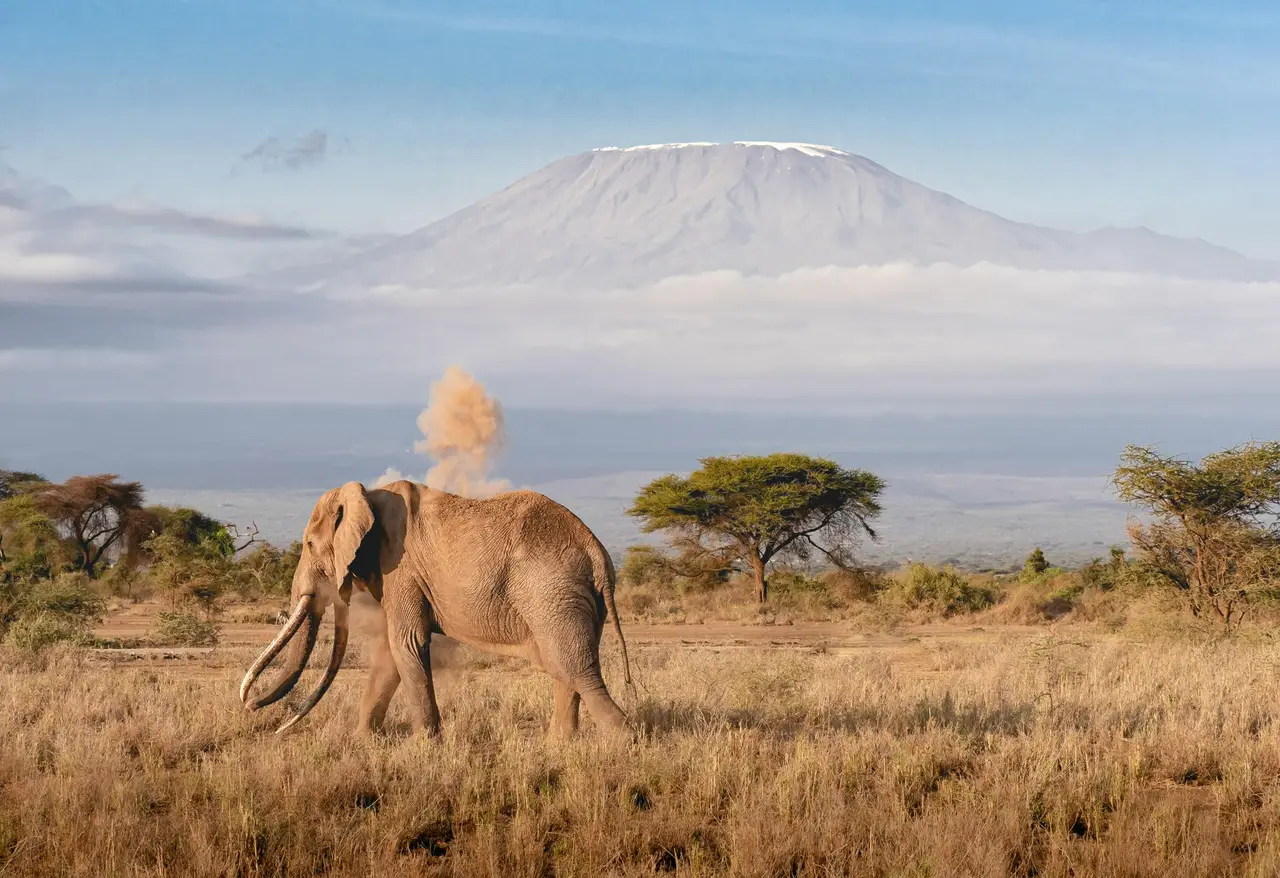
East Africa: savannahs, great parks, the Rift and the Indian Ocean. This is where you go for the classic safari. Southern Africa: deserts, deltas, waterfalls, and the continent’s best roads for self-drive travellers. Indian Ocean islands: Madagascar, a continent in miniature with wildlife found nowhere else. North Africa: the Mediterranean, the desert and ancient civilisations. West and Central Africa: equatorial forests, rich and layered cultures, tourism still in its early days.
Why wildlife is mainly in the east and south
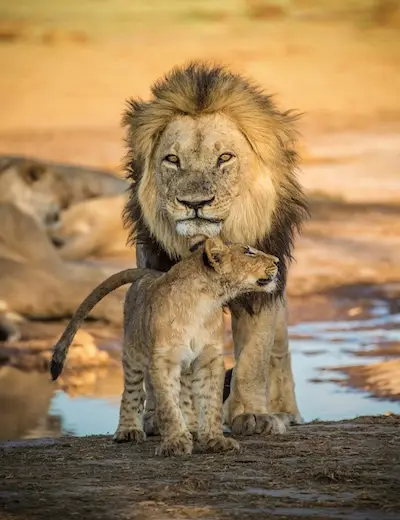
For a geographical reason: the open savannahs of the eastern and southern plateaux support large herbivores in enormous herds, and the predators that follow them. Equatorial forests have extremely high biodiversity, but animals are hard to see because the vegetation hides them.
How much time you need
With fewer than seven days you see a single landscape. With eight to ten days you can combine two or three parks, or safari and beach. With fourteen you truly cross a country. Internal distances are the variable almost nobody considers: in Madagascar, six hours on the road cover two hundred kilometres.
Where people usually start
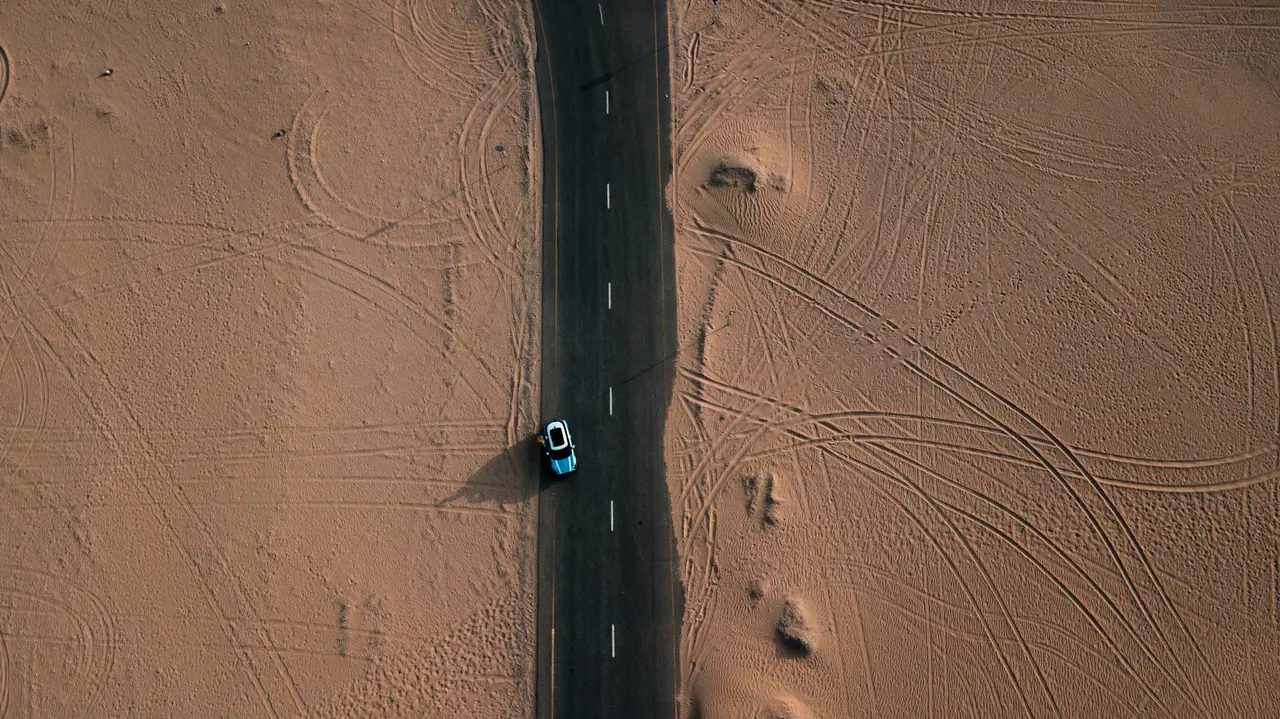
Tanzania is the most common first journey, because it brings together the Serengeti, Ngorongoro and Tarangire within a few hours’ drive, and has Zanzibar an hour’s flight away. Kenya is the alternative for those who want to walk. Namibia for those who want to drive.