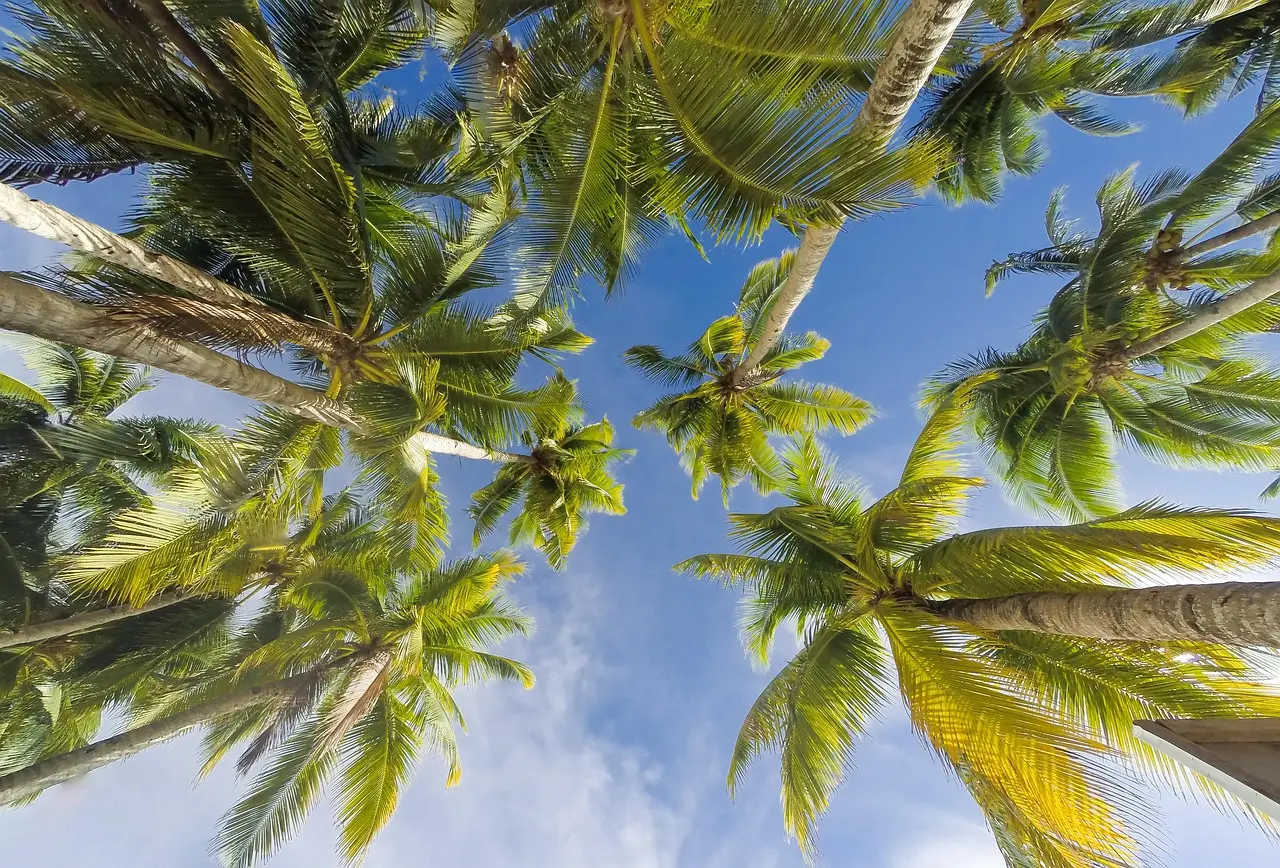
Zanzibar is a semi-autonomous archipelago of Tanzania, and can be added to almost all our safaris with a one-hour internal flight. Stone Town is a UNESCO World Heritage Site, a maze of alleyways, carved doors and markets; the north, around Nungwi, has the best beaches and the least extreme tides; the east is quieter but has tidal ranges that move the water hundreds of metres.
When to go
The best periods are June to October and December to February. The long rains fall between March and May, when many properties reduce their services or close. The short rains of November are usually brief afternoon showers that do not spoil your stay.
Documents and entry
The US$50 Tanzanian visa applies, the same as on the mainland. In addition, since 1 October 2024, inbound health insurance from the Zanzibar Insurance Corporation has been compulsory: US$44 per person, with a reduced rate for minors shown on the portal. It can be purchased only on inbound.visitzanzibar.go.tz, which issues a QR code to show at check-in and on arrival. Without it, boarding may be refused.
Two points that often cause confusion: the policy is valid for a maximum of 92 days, and since 1 October 2026 mainland Tanzania has its own compulsory insurance, the NIC, also costing US$44. The Italian Foreign Ministry advises buying the one for the destination you enter first: for a safari followed by the beach, we check what is needed for you at the time of booking. Already holding a private policy does not exempt you from buying the local one. On our itineraries combining safari and beach, the insurance we include covers the whole journey, but the ZIC must still be purchased separately.
Health
On the archipelago malaria incidence is low, and higher on the mainland: prophylaxis is decided with your doctor on the basis of the whole itinerary. Dengue is present in Zanzibar: use repellent and wear long sleeves from sunset. No vaccinations are compulsory when arriving from Italy, except for a yellow fever certificate for those arriving from countries at risk: note that travellers arriving in Zanzibar after a safari in an endemic country may be asked to show it.
What to see
Stone Town: Darajani Market, the House of Wonders, the slavery memorial museum. Prison Island, with its Aldabra giant tortoises. Nungwi and Kendwa in the north, beaches where you can swim at any time of day. Safari Blue, a day by boat among sandbanks and reef. The spice plantations that give the island its trading name.
Good to know
Zanzibar is predominantly Muslim: outside the resorts it is best to cover shoulders and knees, and during Ramadan many restaurants and bars stay closed during the day. Alcohol is available at tourist properties. The tides dramatically change the look of the east-coast beaches: if swimming at any hour is a priority, the north is the better choice.