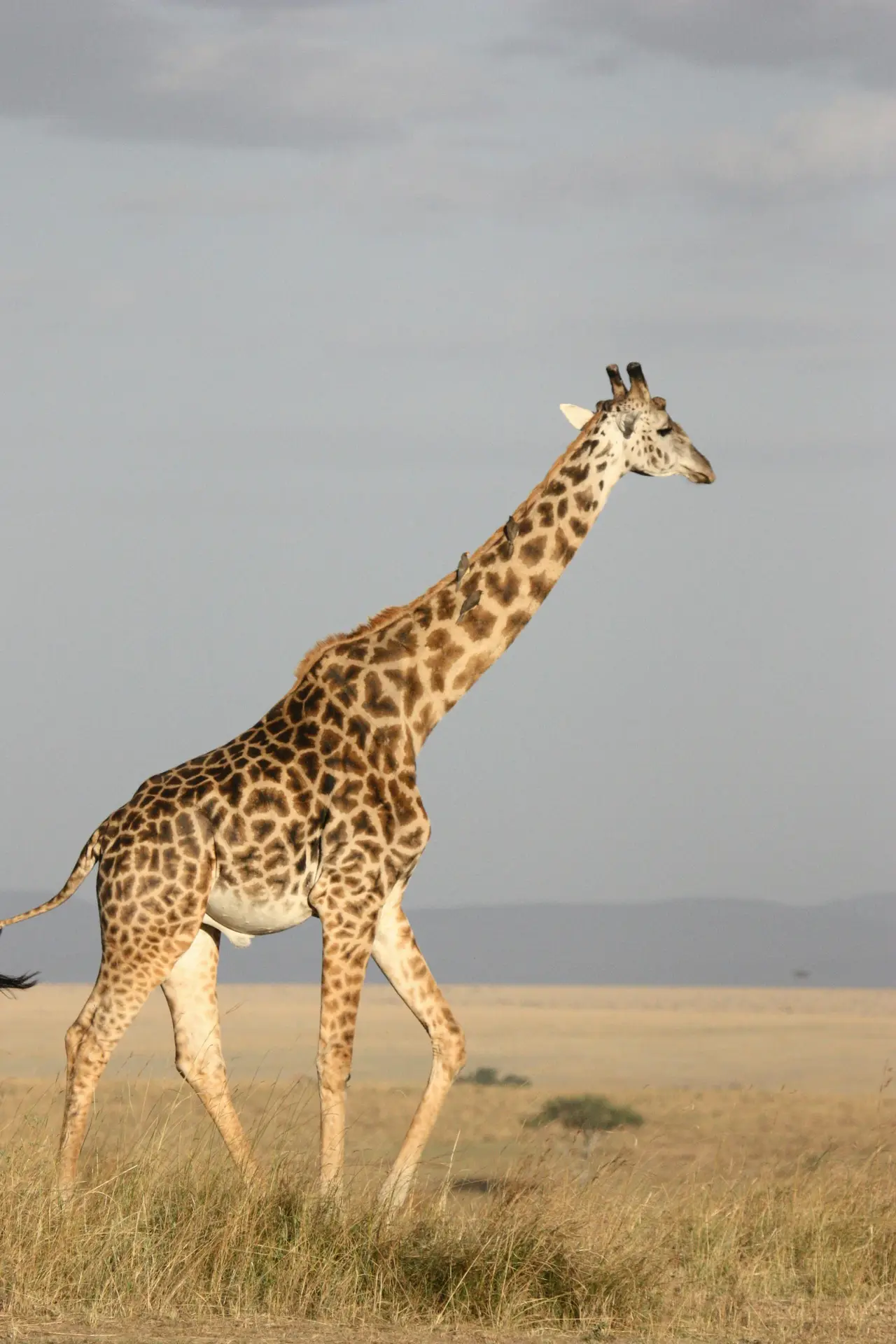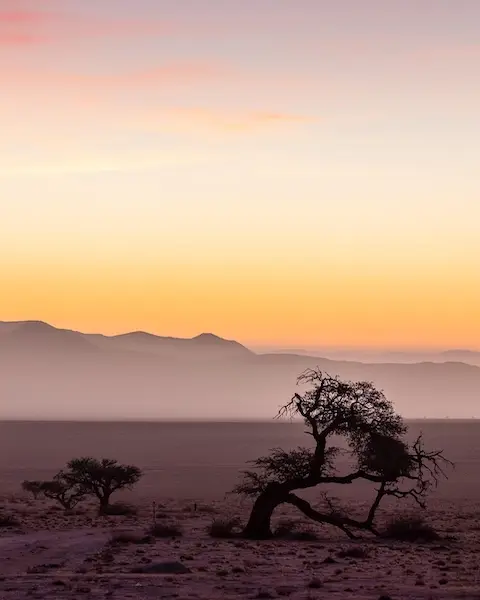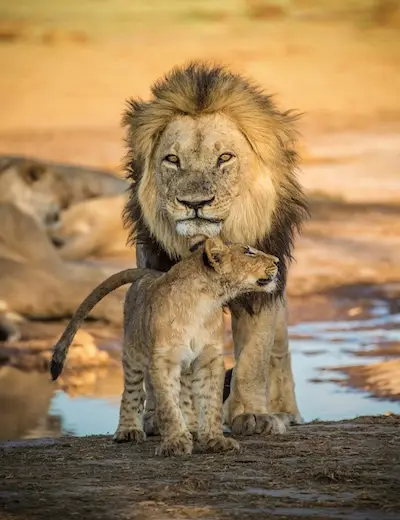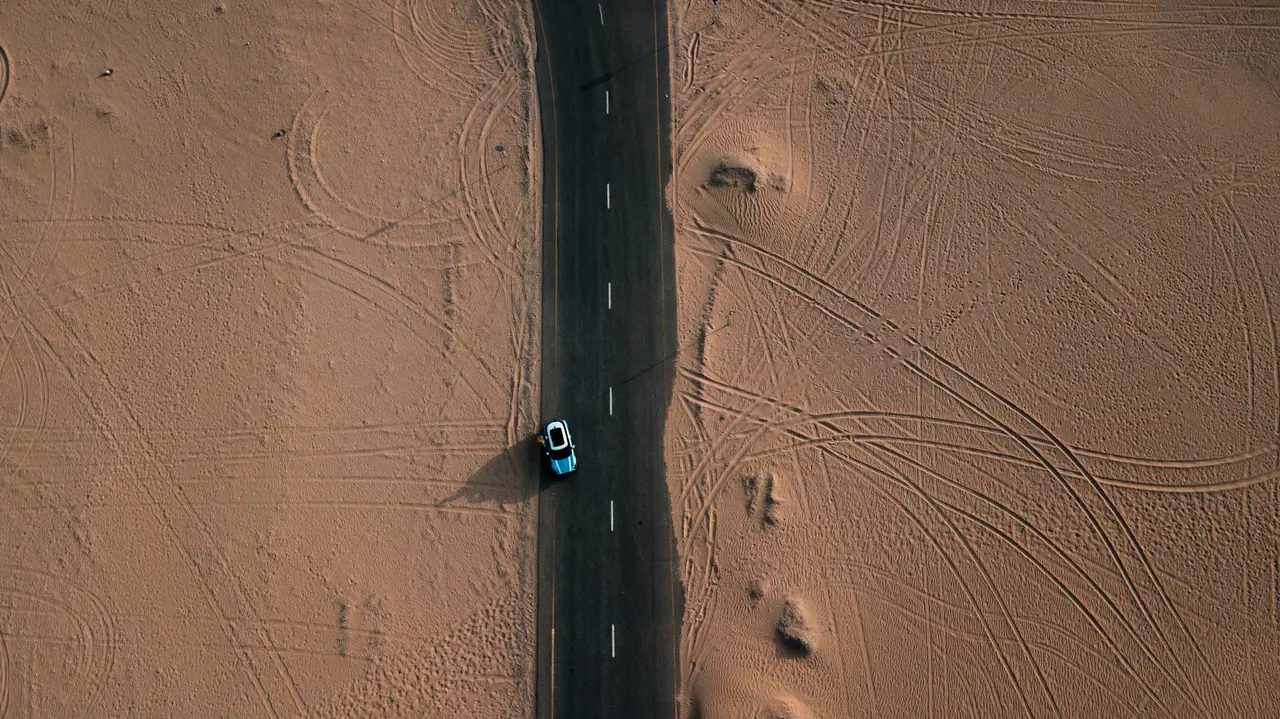
Namibia is the country for independent travel: wide, empty roads, vast distances and landscapes that change completely every few hundred kilometres. The dunes of Sossusvlei, the Skeleton Coast, the waterholes of Etosha where the animals come to you. It is also the destination with the clearest night skies in southern Africa.
When to go
The dry season, from May to October, is the best for wildlife: animals gather around Etosha’s few waterholes and sightings become almost guaranteed. Clear days, cold nights, even below freezing in the desert between June and August.
From November to March it is very hot and the rains arrive: the landscape turns green, the young are born and there are fewer visitors, but the wildlife disperses.
Documents and entry
Please note, this has changed recently. Until March 2025 Italian citizens could enter without a visa; since 1 April 2025 a tourist visa has been compulsory, even for short stays. It costs 1,600 Namibian dollars, about €80.
It can be obtained online on the government portal eservices.mhaiss.gov.na by selecting Visa on Arrival, not Holiday Visa, or directly on arrival. However, visas are issued at the border only at certain points of entry: the airports of Windhoek and Walvis Bay and a few land border crossings. It is best to apply before you leave, both to avoid queues and because it is not issued at other crossings. Your passport must be valid for six months from your return date and have three blank pages; on entry you may be asked for a return ticket, accommodation booking, medical insurance and a bank statement. FCDO travel advice for Namibia.
Health
No vaccinations are compulsory when arriving from Italy; a yellow fever certificate is required only from those arriving from a country at risk. The malaria risk is limited to the north, especially the Caprivi Strip and the rainy season: prophylaxis should be assessed according to your itinerary. Distances between towns are enormous, so a policy with medical evacuation matters more here than elsewhere.
What to see
Sossusvlei: red dunes up to 300 metres high and the fossilised trees of Deadvlei. Etosha: a 4,800 km² salt pan with waterholes where you sit and wait for elephants, rhinos and lions. Skeleton Coast: where the desert meets the Atlantic, with shipwrecks and seal colonies. Damaraland: desert elephants and the rock engravings of Twyfelfontein, a UNESCO World Heritage Site. Fish River Canyon: the second-largest canyon in the world.
Good to know
Driving is on the left. The main roads are tarmac, the secondary roads are gravel tracks where you travel at 60-80 km/h: a 4×4 is not an indulgence. Distances are long and fuel stations few and far between, so always set off with a full tank. The South African rand circulates at par with the Namibian dollar.