Lion, leopard, elephant, buffalo and rhino. The term was coined not for their majesty but for their danger: they were the five animals considered most risky to hunt on foot. Today it has become a checklist, which is why it is worth understanding what it means before you go.
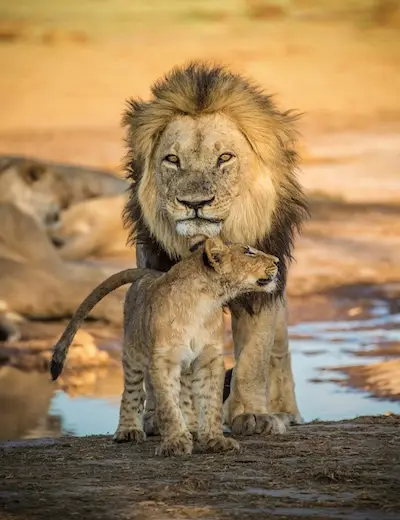
Lion
The easiest to spot in the great parks. In the Serengeti the population exceeds two and a half thousand. Lions sleep up to twenty hours a day: seeing one hunt is rare, seeing one lying down is almost guaranteed.
Leopard
The hardest. Solitary and nocturnal, it hides among acacia branches or on granite kopjes. The Seronera Valley in the Serengeti and South Luangwa in Zambia are among the best places to look for one.
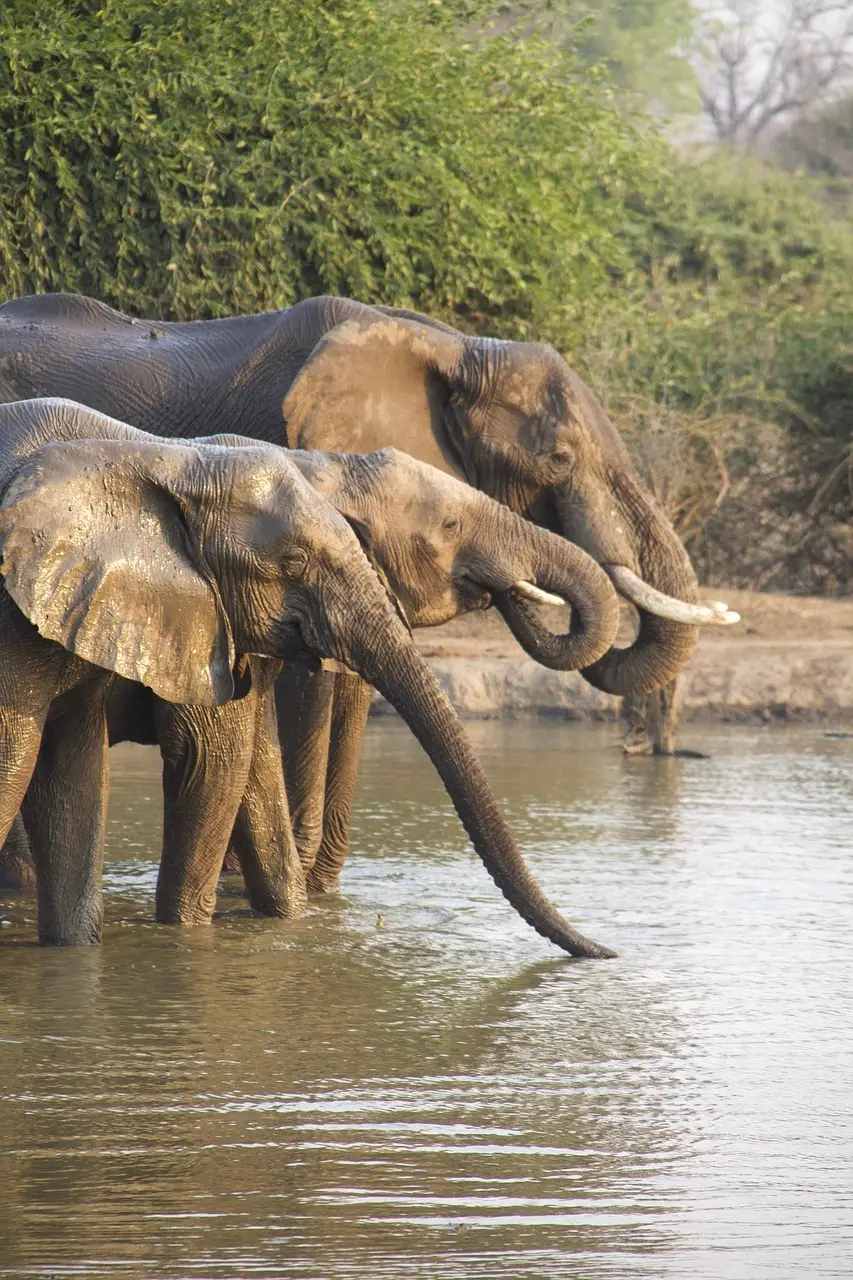
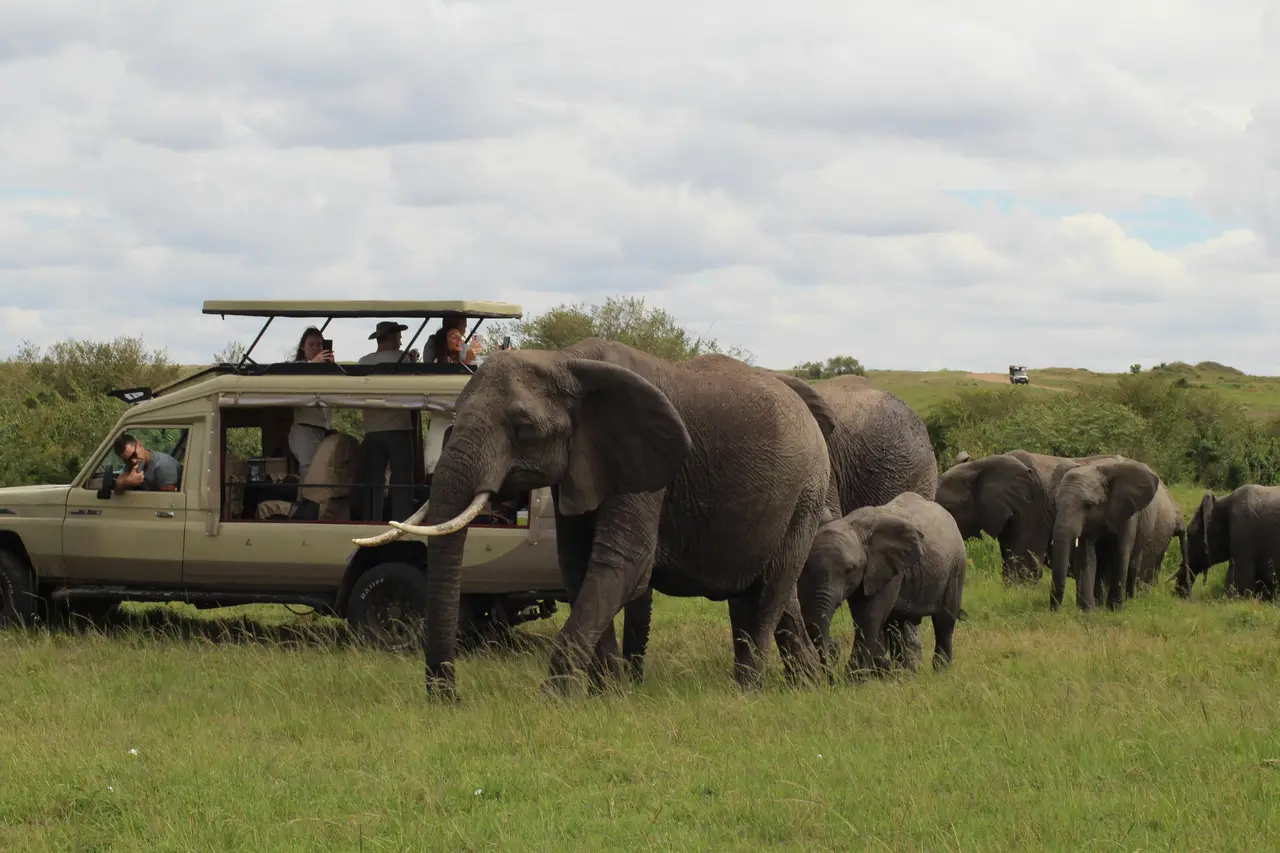
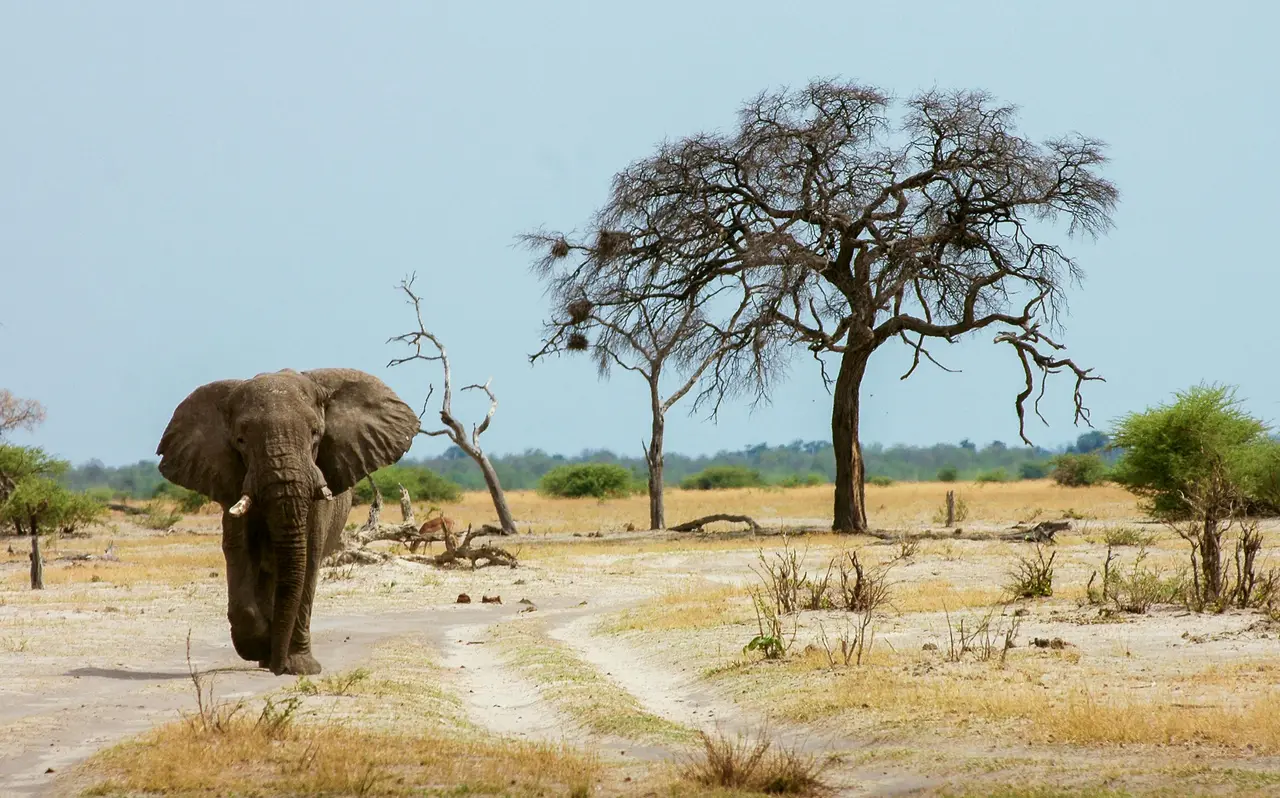
Elephant
Found everywhere, but in spectacular concentrations in Tarangire in the dry season and at Hwange in Zimbabwe, where hundreds gather around the waterholes.
Buffalo
The least photographed and statistically among the most dangerous. It moves in herds that can exceed a thousand head.
Rhino
The rarest, and the most threatened by poaching. In Tanzania it is seen almost exclusively in Ngorongoro. Some lodges and parks do not disclose the animals’ locations precisely to protect them. In Namibia, at Etosha, the black rhino can also be watched at night at the floodlit waterhole of Okaukuejo.
What serious guides will tell you
That they cannot promise you all five. A seven-day safari in the northern parks normally sees four; the rhino depends on a lucky day in Ngorongoro. Anyone who guarantees the Big Five by contract is selling something they don’t control.
And that the five most fascinating animals to watch are often not these: the cheetah on the hunt, wild dogs in a pack, the baboons’ obsession with social order.