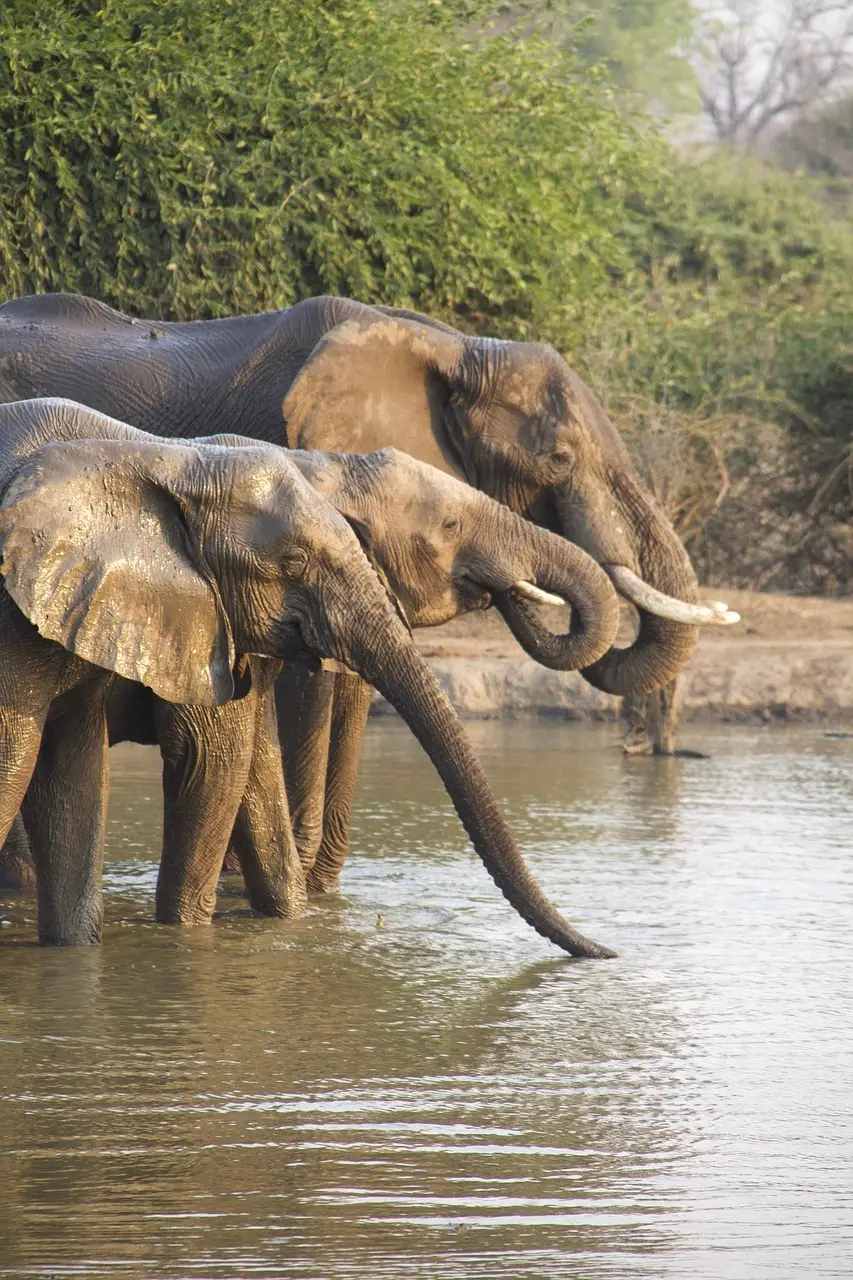
The name comes from the Tarangire River, which runs through the park. In the dry season it is the only permanent source of water in an area far larger than the park itself: the animals that disperse across the Masai Steppe during the rains gather once again along its banks. That is why Tarangire in August and Tarangire in February seem like two different parks.
Elephants and baobabs
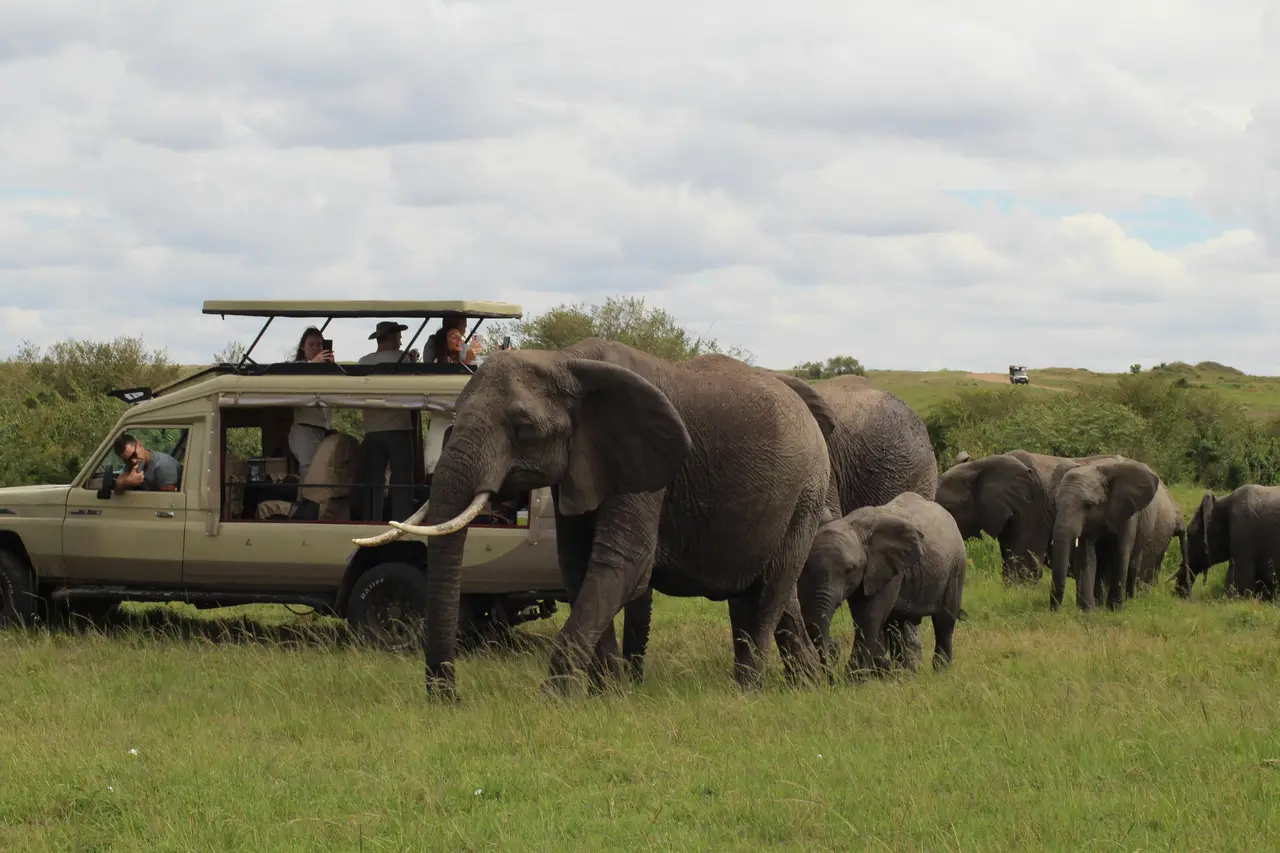
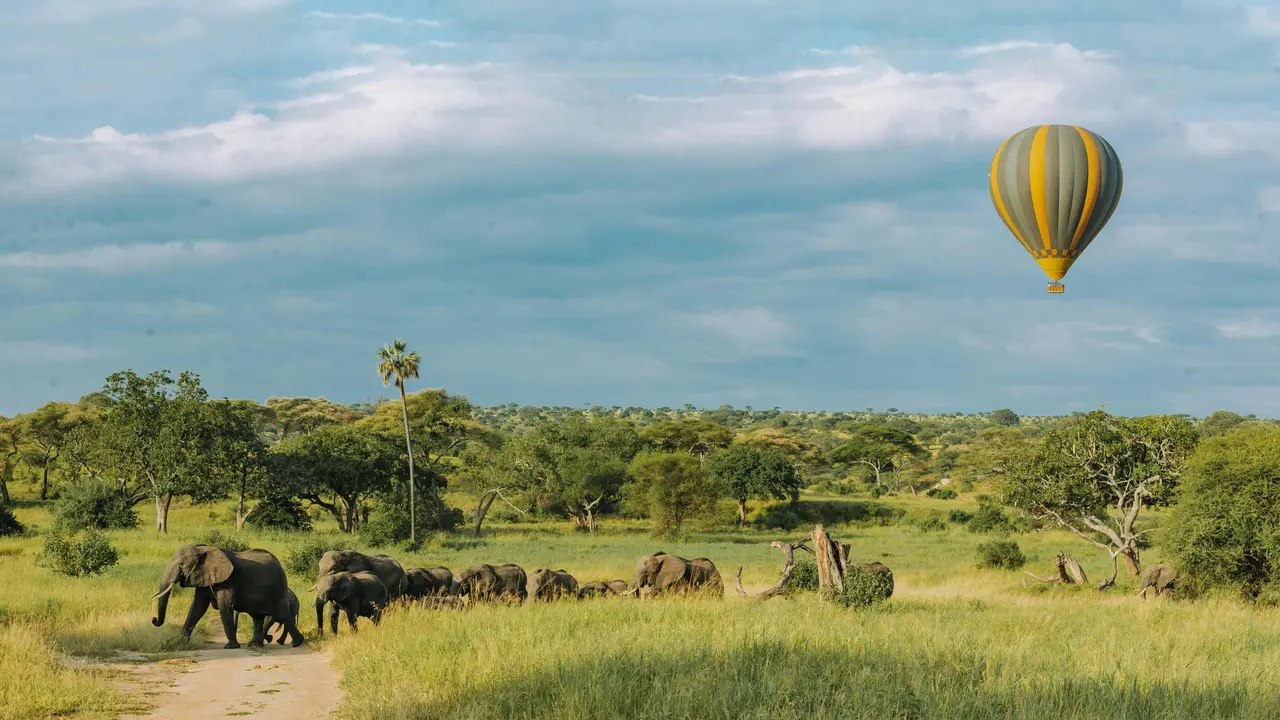
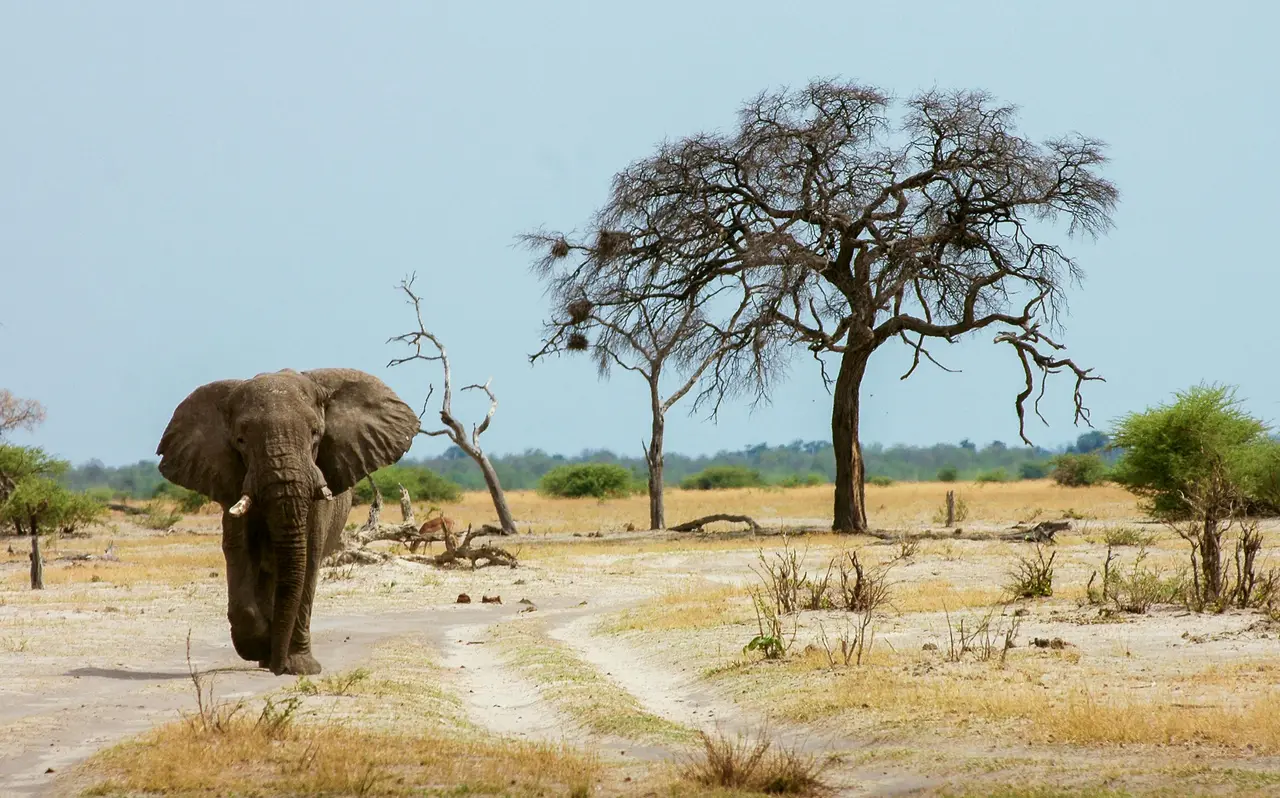
It is one of the parks in Tanzania with the highest density of elephants: in the dry season you can watch large herds coming down to the river. The landscape is defined by baobabs, trees that can live for many centuries. In the driest months elephants strip their bark and chew the fibrous wood to extract moisture, and the trunks bear the marks of these encounters.
What you see
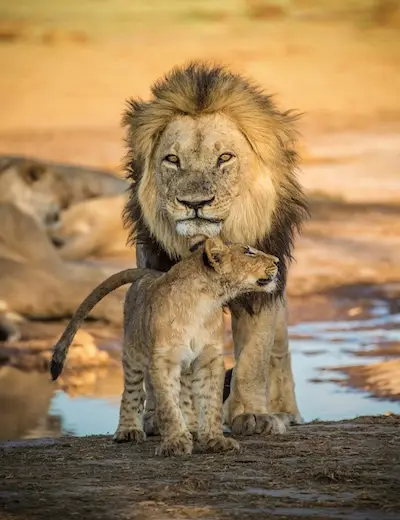
Between June and November thousands of zebras, wildebeest and buffalo arrive. There are lions and leopards, and more than five hundred bird species. There are no rhinos, however: of the Big Five, you can see four. The terrain alternates granite hills, the river valley, seasonal swamps such as Silale and huge termite mounds.
When to go
The dry season, from June to November, is the time of concentration. From December to May many animals leave the park, the grass grows and visibility drops; on the other hand, the landscape is green, vehicles are few and migratory birds are at their peak. Find out more in when to go to Africa.
Where it fits into a journey
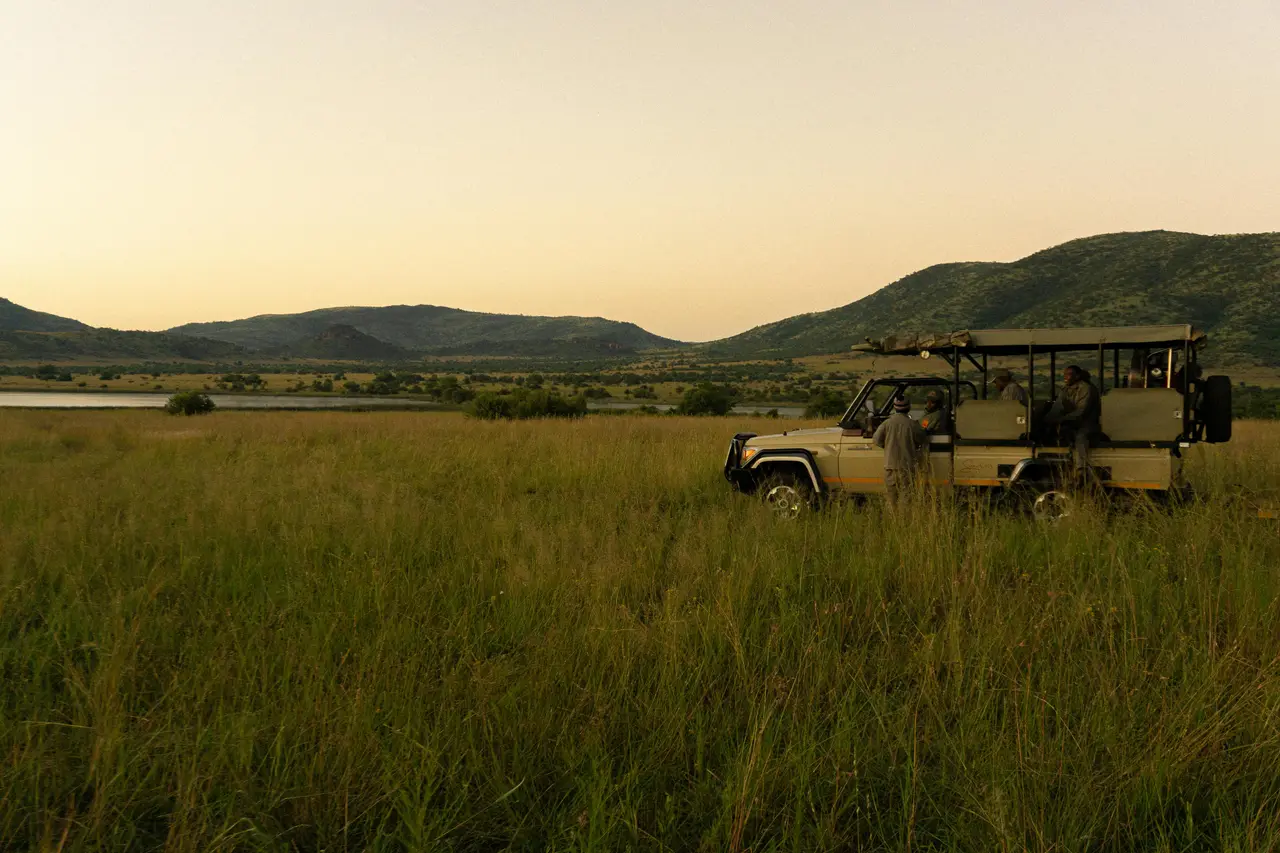
It is often the first or last park on the northern circuit: it is about three hours by road from Arusha, and close to Lake Manyara. One or two nights are enough to experience it properly, before heading up to Ngorongoro and the Serengeti.