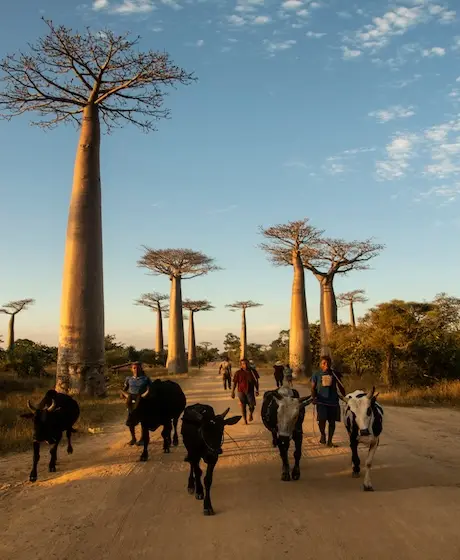
Madagascar broke away from Africa eighty million years ago and has gone its own way ever since: around 90% of the species that live there exist nowhere else on earth. Lemurs, baobabs, chameleons, spiny forests. It is not a safari destination; it is a destination for naturalists and patient travellers: distances are long and roads are slow.
When to go
The dry season runs from April to November and is the right time for almost every circuit. From January to March is cyclone season, especially on the east coast: many tracks become impassable and the Tsingy in the west close.
For humpback whales at Sainte Marie the window is July to September. For the beaches of Nosy Be and Ifaty, the best period is April to December.
Documents and entry
A passport with at least six months’ remaining validity. The tourist visa is obtained on arrival at the airport or online at evisamada-mg.com, at the same rates: €30 for up to 15 days, €35 for up to 30, €40 for up to 60, €50 for up to 90. You need an onward ticket out of the country and a blank page for the visa; sums over €1,000 must be declared on arrival. FCDO travel advice for Madagascar.
Ebola: Madagascar may refuse entry to anyone who has stayed in or transited through a country affected by the current outbreak in the Democratic Republic of the Congo and Uganda in the previous 21 days; on arrival everyone fills in a health declaration and undergoes screening. We take this into account when choosing flights and stopovers.
Health
No vaccinations are compulsory when arriving from Italy. Malaria prophylaxis is recommended throughout the country, with a higher risk on the coast. Medical facilities outside the capital are limited: a policy covering medical evacuation is not optional. Drink bottled water only.
What to see
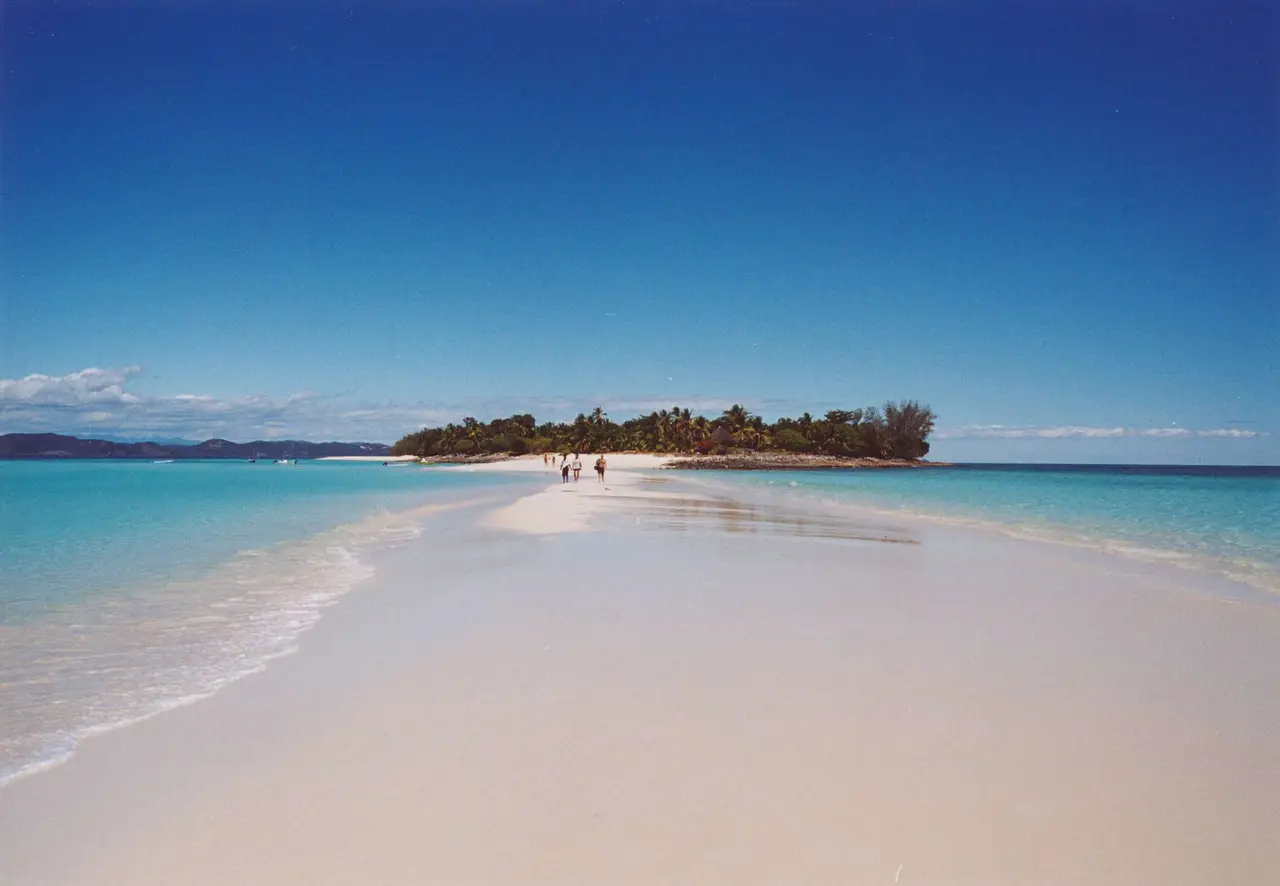
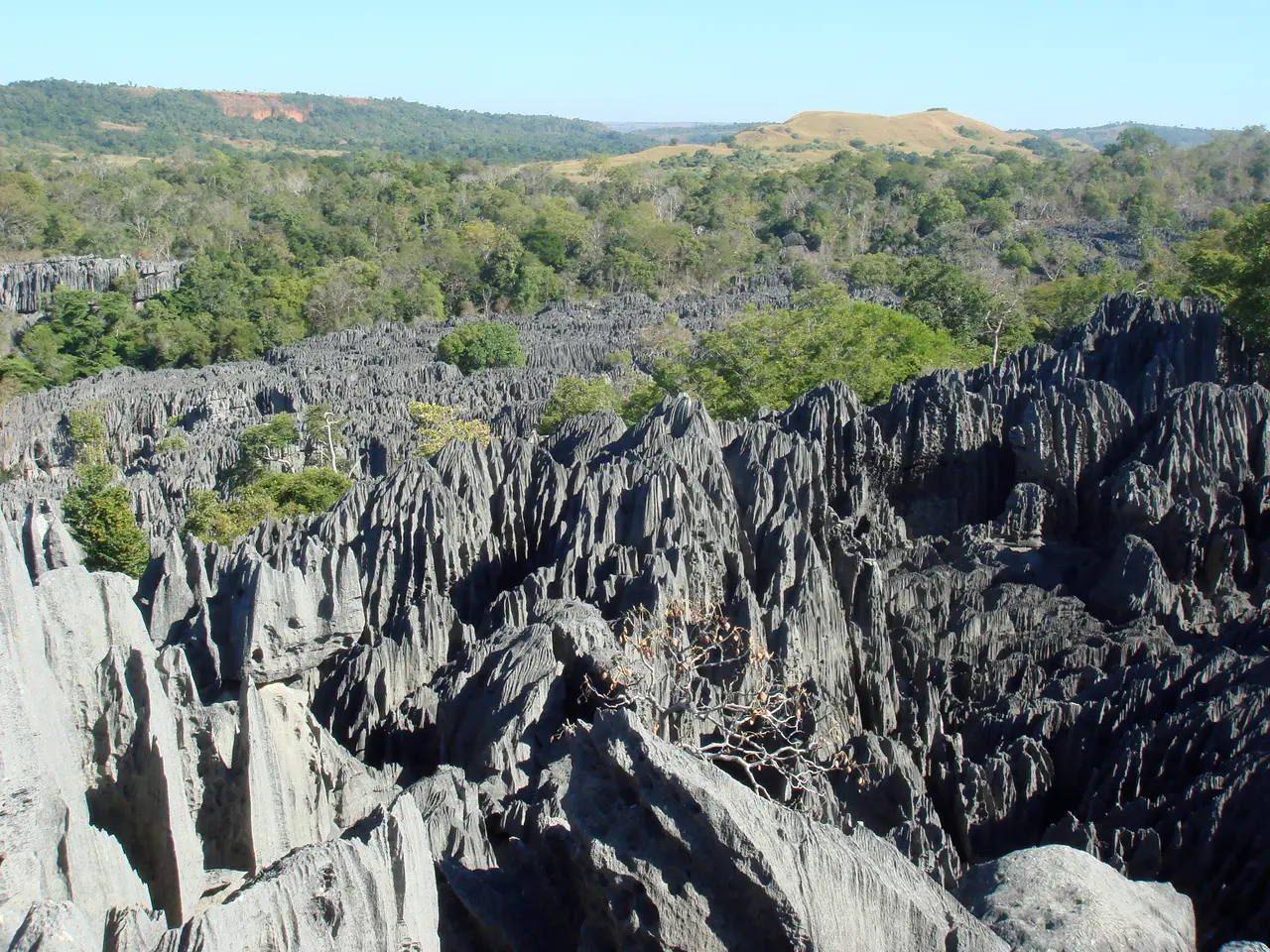
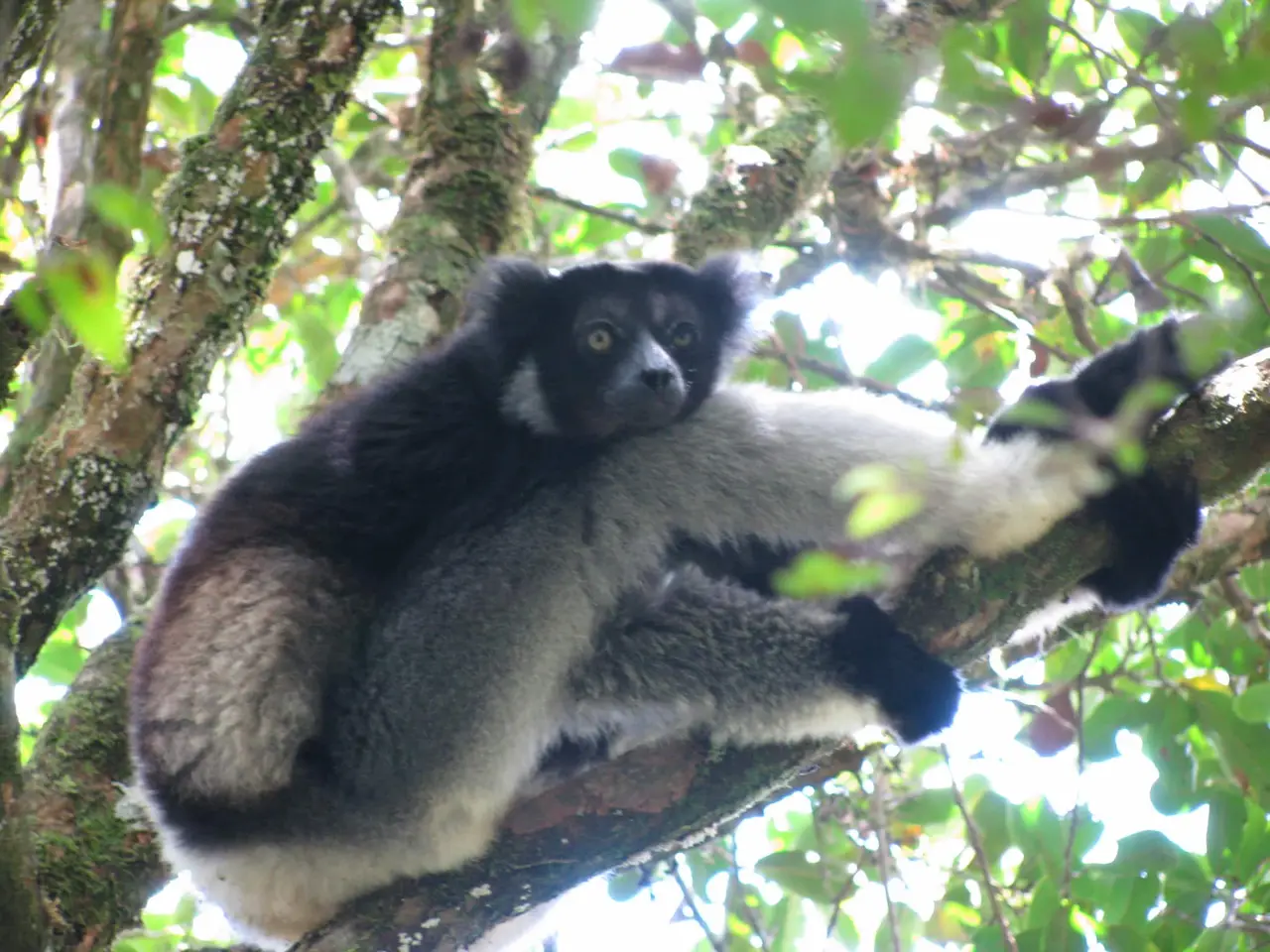
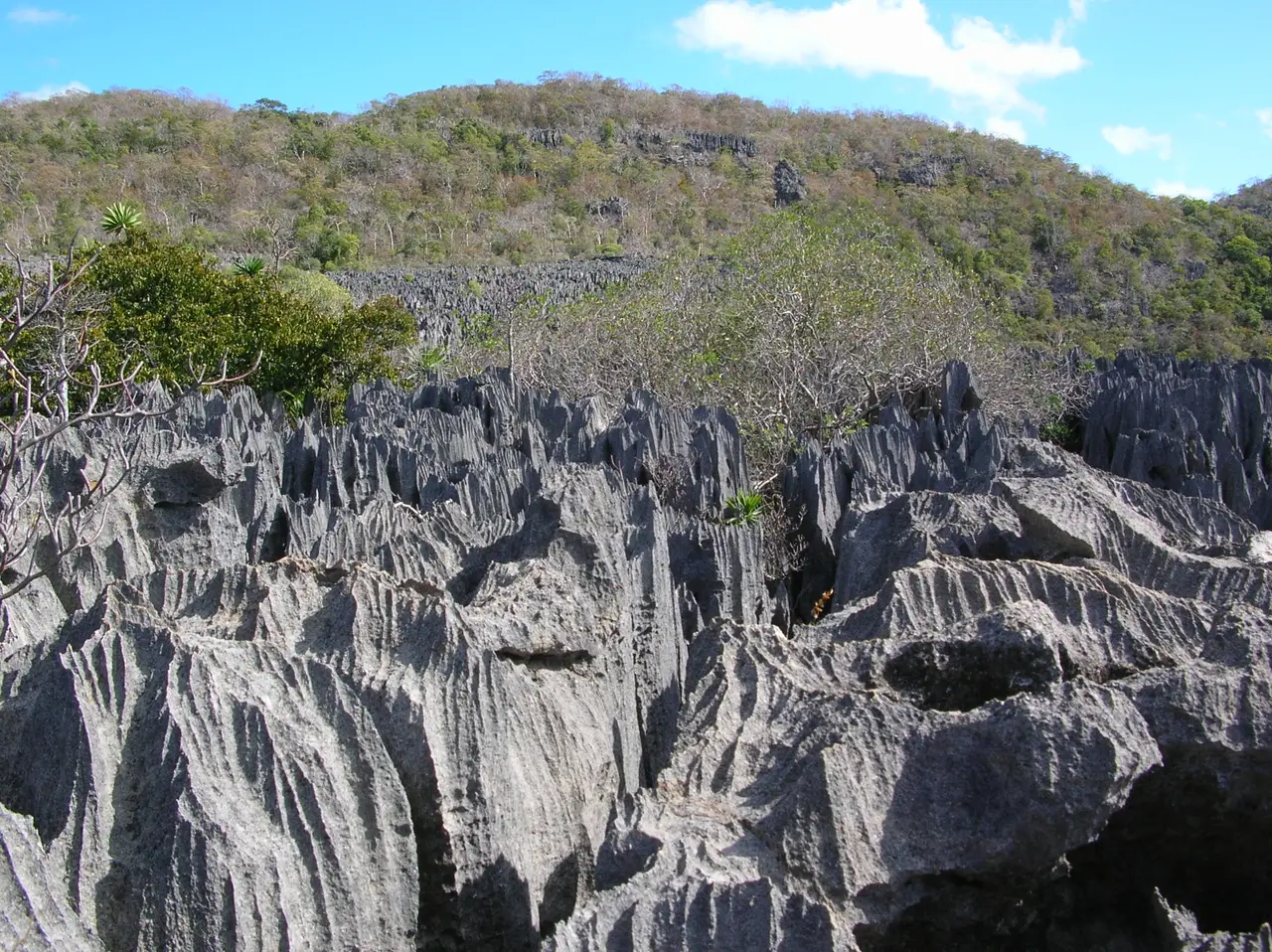
Andasibe-Analamazaotra: the indri, the largest living lemur, whose call carries for kilometres. Tsingy de Bemaraha: a forest of limestone pinnacles, a UNESCO World Heritage Site, crossed by suspension bridges. Avenue of the Baobabs: Adansonia grandidieri up to thirty metres tall, spectacular at sunset. Isalo: sandstone canyons and natural pools. Ranomafana: montane rainforest with twelve species of lemur. Nosy Be and its archipelago: Nosy Iranja, Nosy Komba, the Nosy Tanikely marine park.
Good to know
The official languages are Malagasy and French; English is little spoken outside tourist facilities, and our guides speak Italian. Roads are slow: allow six or seven hours for transfers that look short on the map. The ariary cannot be exchanged outside the country. Electrical sockets are the European type.