Nature and wildlife 2 min read
Madagascar: why almost everything you see exists nowhere else
Eighty million years of isolation have produced an island where around ninety per cent of species are endemic. Here is what that means in practice for those who travel there.
Weltweg editorial team updated 12 September 2026
In this article5 sections
Madagascar broke away from the Indian subcontinent around eighty million years ago and has been evolving on its own ever since. The result is that around ninety per cent of the species that live there are found nowhere else on the planet. This is not a brochure statistic: it genuinely changes the kind of journey you make.
It is not a safari
Anyone arriving in expectation of lions and elephants will be disappointed: Madagascar has no large land predators and no large herbivores. The largest carnivore, the fossa, weighs less than ten kilos. You travel for the lemurs, the chameleons, the forests and the landscapes, and you walk far more than you drive.
The lemurs
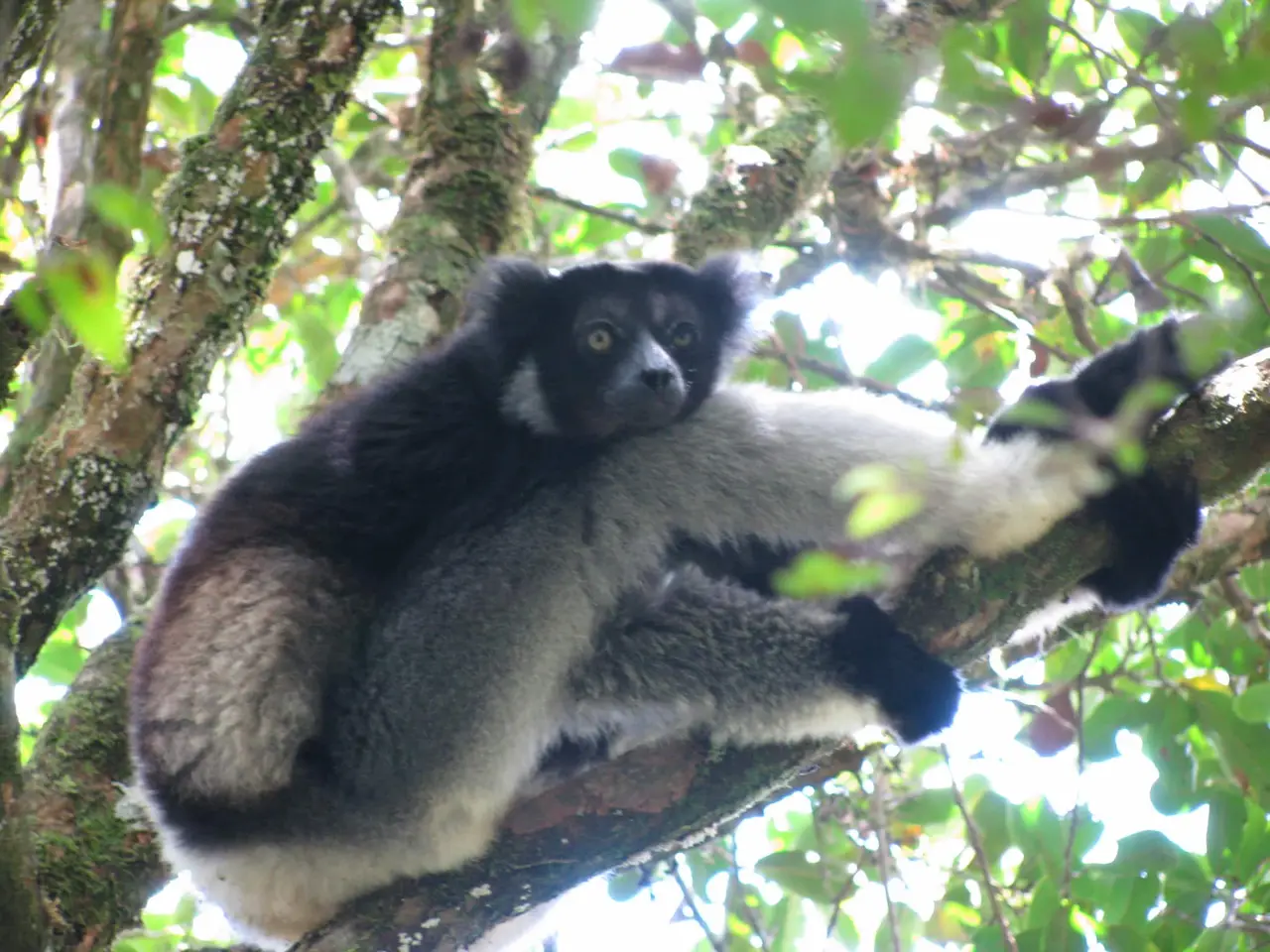
There are more than a hundred species, all endemic. The indri of Andasibe is the largest living lemur, and its call carries for miles: it is one of the most extraordinary sounds to be heard in nature. The aye-aye, nocturnal and rare, has an elongated middle finger that it uses to extract grubs from bark. The ring-tailed lemurs of the Anja reserve live among granite boulders and are the easiest to approach.
The baobabs
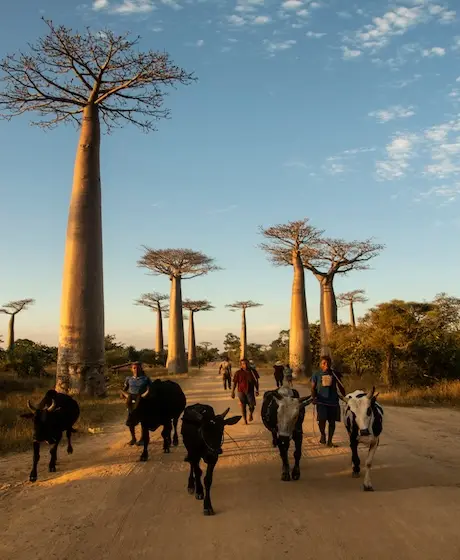
Of the world’s nine species of baobab, six grow only in Madagascar. The Adansonia grandidieri of the Avenue of the Baobabs, near Morondava, reaches thirty metres. The trees standing in line today are the survivors of a dry forest that has vanished around them: it is a beautiful landscape and, looked at closely, also the evidence of deforestation.
The Tsingy
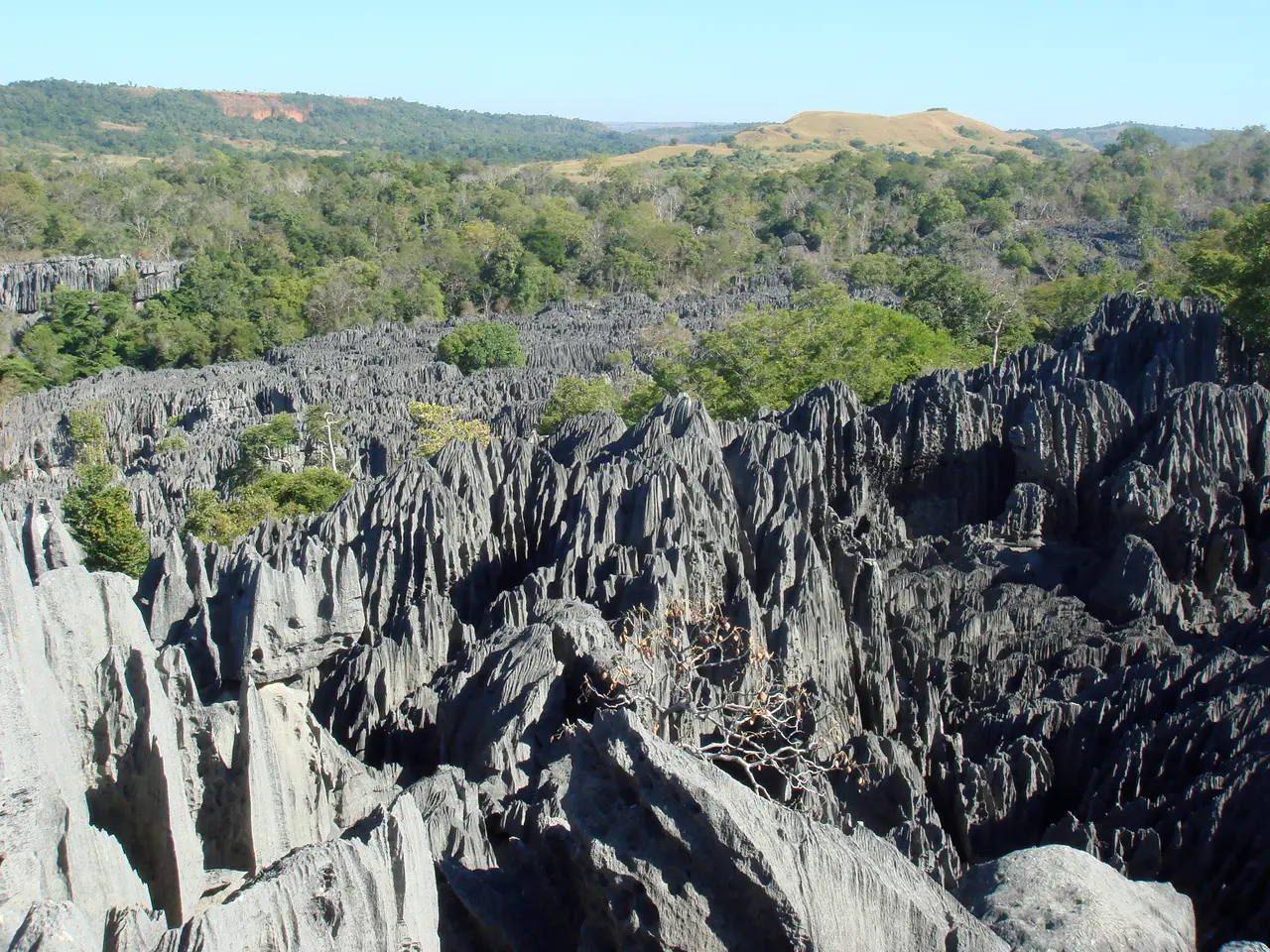
At Bemaraha the limestone has been eroded by water into a forest of razor-sharp pinnacles, crossed by suspension bridges and fixed walkways. It requires good mobility and no fear of heights. It is a UNESCO World Heritage Site and can be reached only in the dry season.
What to expect, in practice
Distances are slow: transfers that look short on the map take six or seven hours. Medical facilities outside the capital are limited, and a policy with medical evacuation is not an optional extra. The best period runs from April to November; between January and March it is cyclone season.
And it is a poor country, among the poorest in the world. Seeing that is part of the journey, and tourism here carries real weight in the economy of the communities that host the parks.