Nature and wildlife 2 min read
The Little Five: the animals nobody tells you to look for
Everyone knows the Big Five. Few know there is a miniature version, and that finding it takes a sharper eye than spotting a lion lying in the grass.
Weltweg editorial team
In this article6 sections
The Big Five originated in hunting: they were the animals considered most dangerous to face on foot. The Little Five arose by way of contrast, almost as a game among guides: five tiny creatures whose names borrow those of the big ones. They are the best excuse to look at the savannah up close while every vehicle is parked around a lion.
The elephant shrew
It is not a shrew. The sengi, as it is properly called, is a small mammal with a long, mobile snout reminiscent of a trunk. Genetic studies place it in a large group of mammals of African origin that also includes elephants: for once the name is not just a joke.
The antlion
Look for it on the ground, in fine sand, where small funnel-shaped craters appear. At the bottom waits the antlion larva: when an ant slips down the sides, the larva brings it tumbling down by flicking grains of sand at it. The winged adult insect is far less well known than its trap.
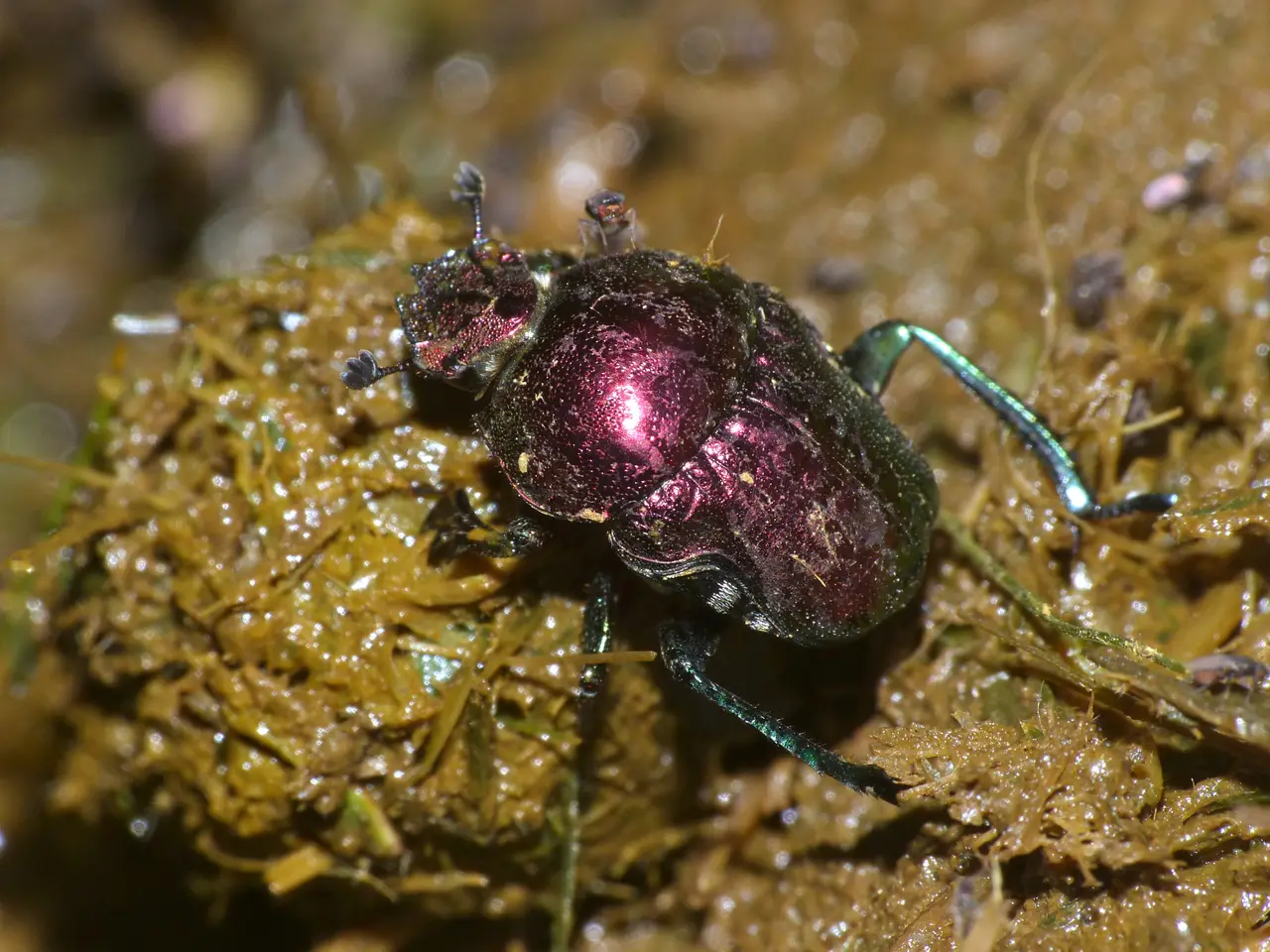
The rhinoceros beetle
A beetle with a horn on its head, usually larger in the males, which use it in fights between rivals. It is often cited among the strongest animals in the world relative to its size.
The buffalo weaver
A dark bird, with a red bill in the most widespread species, which builds large communal nests of twigs, often in acacias. The name comes, according to the most common explanation, from its habit of following herds of buffalo, which stir up the insects it feeds on.
The leopard tortoise
Its high, domed shell is spotted dark on a pale background, like a leopard’s coat. It is one of the largest tortoises in mainland Africa, and you often come across one on the tracks, crossing with all the calm in the world.
Why look for them
Because they force you to slow down. Those who look only for the big animals spend hours moving from one sighting to the next; those who also look at the ground discover that the savannah is full of life at every step. And because a guide who points out a funnel in the sand is demonstrating exactly what a safari requires: the ability to read the land, not just to follow the radio.