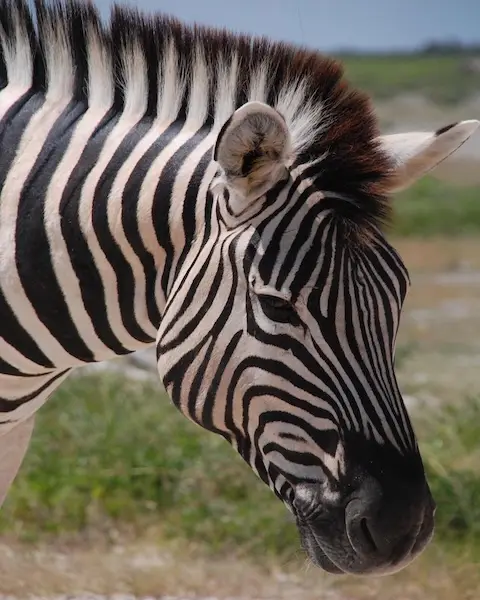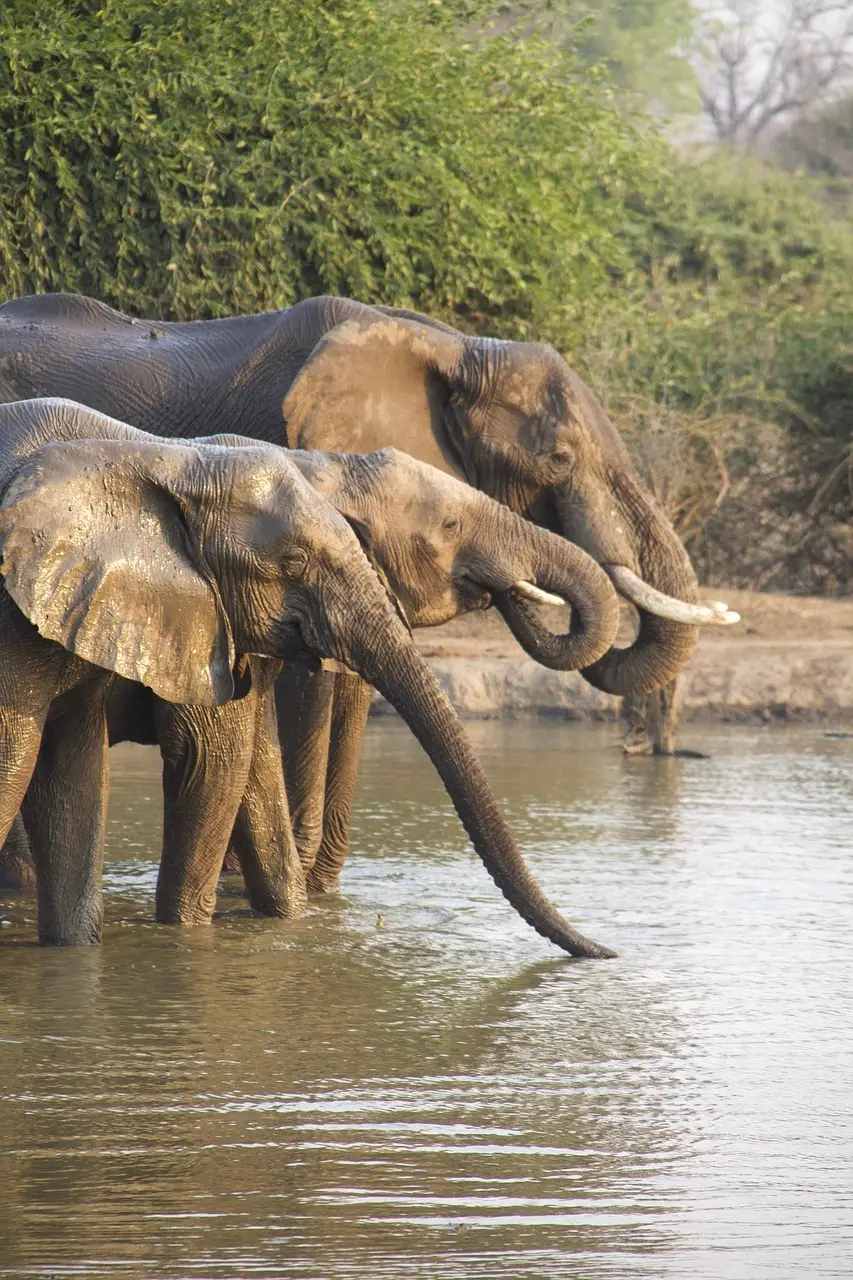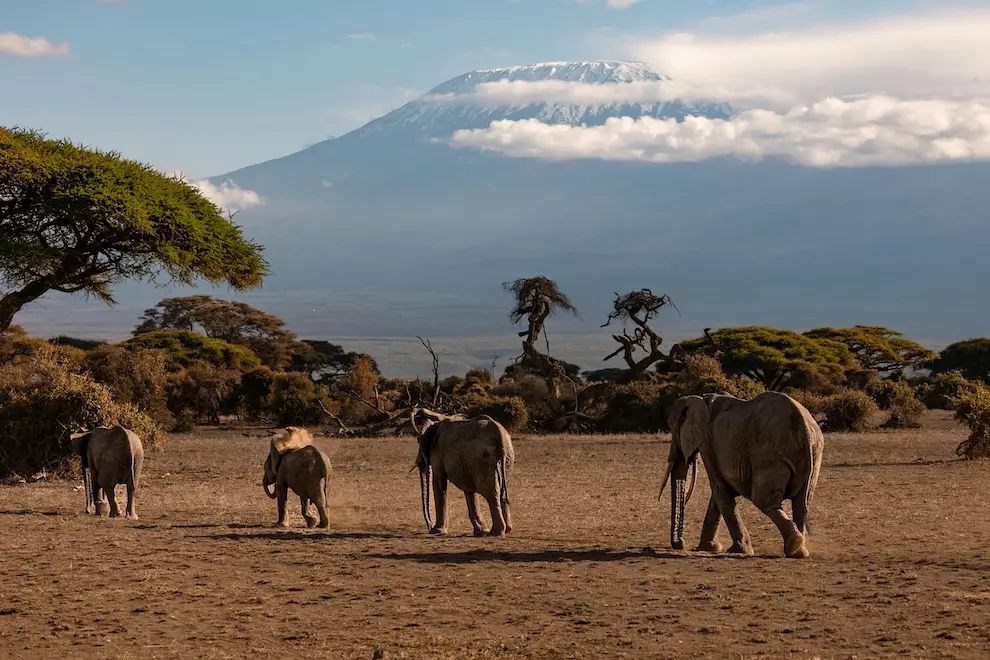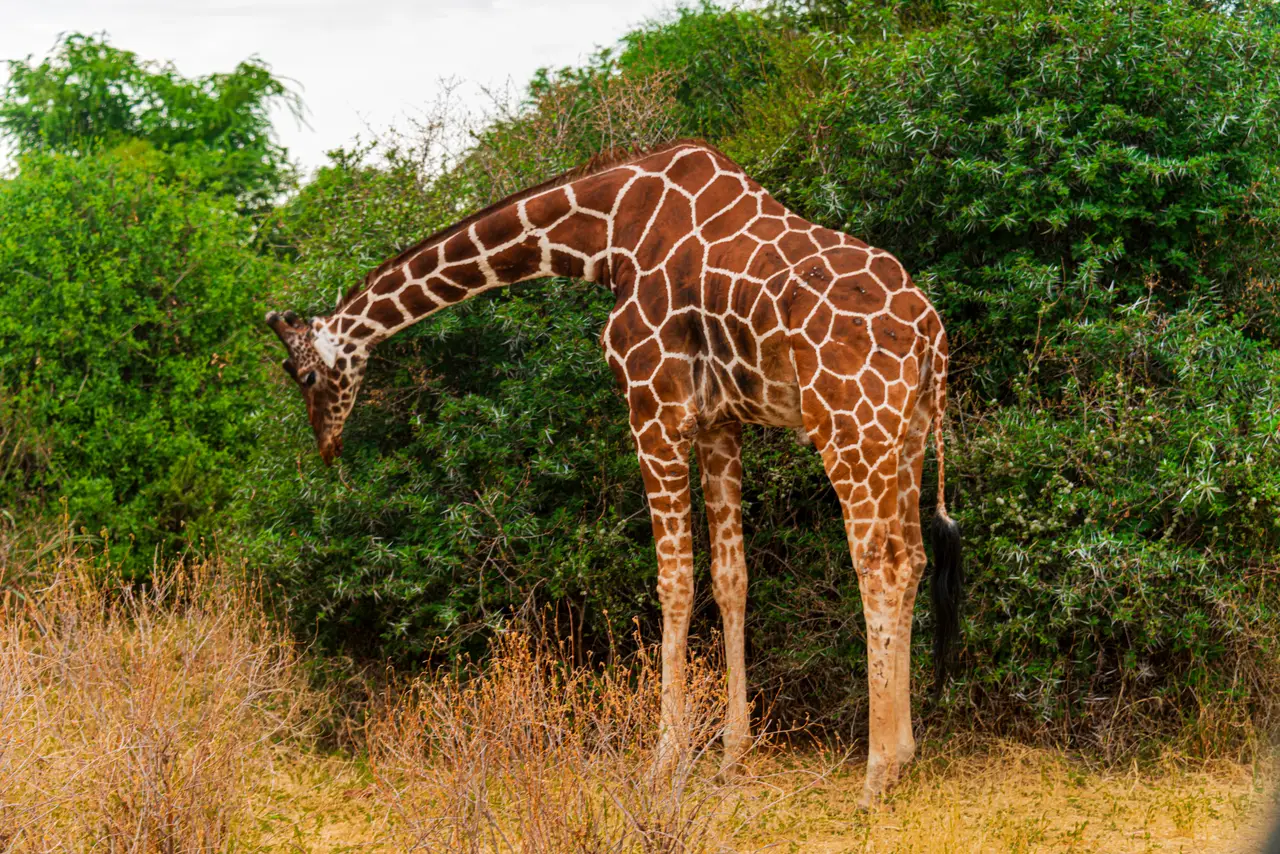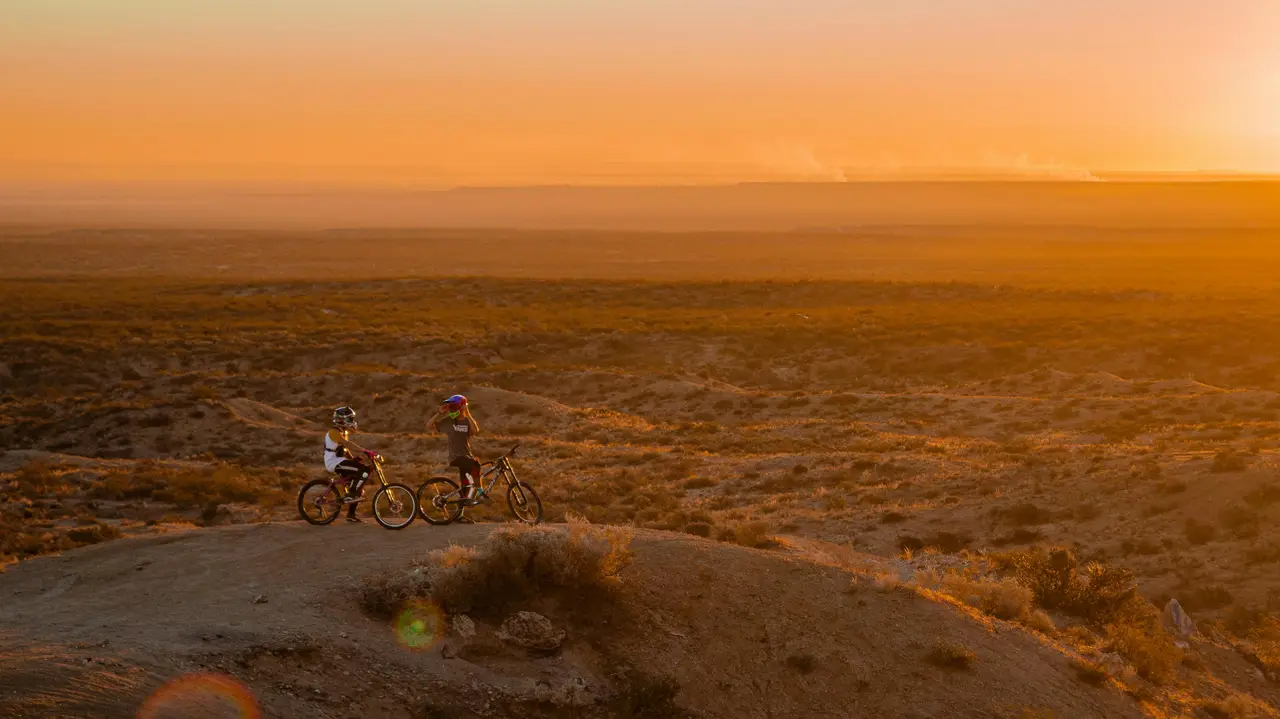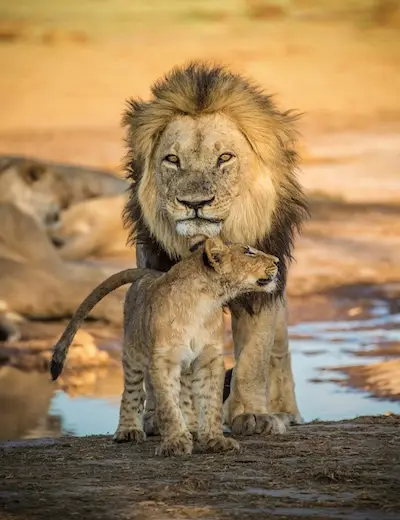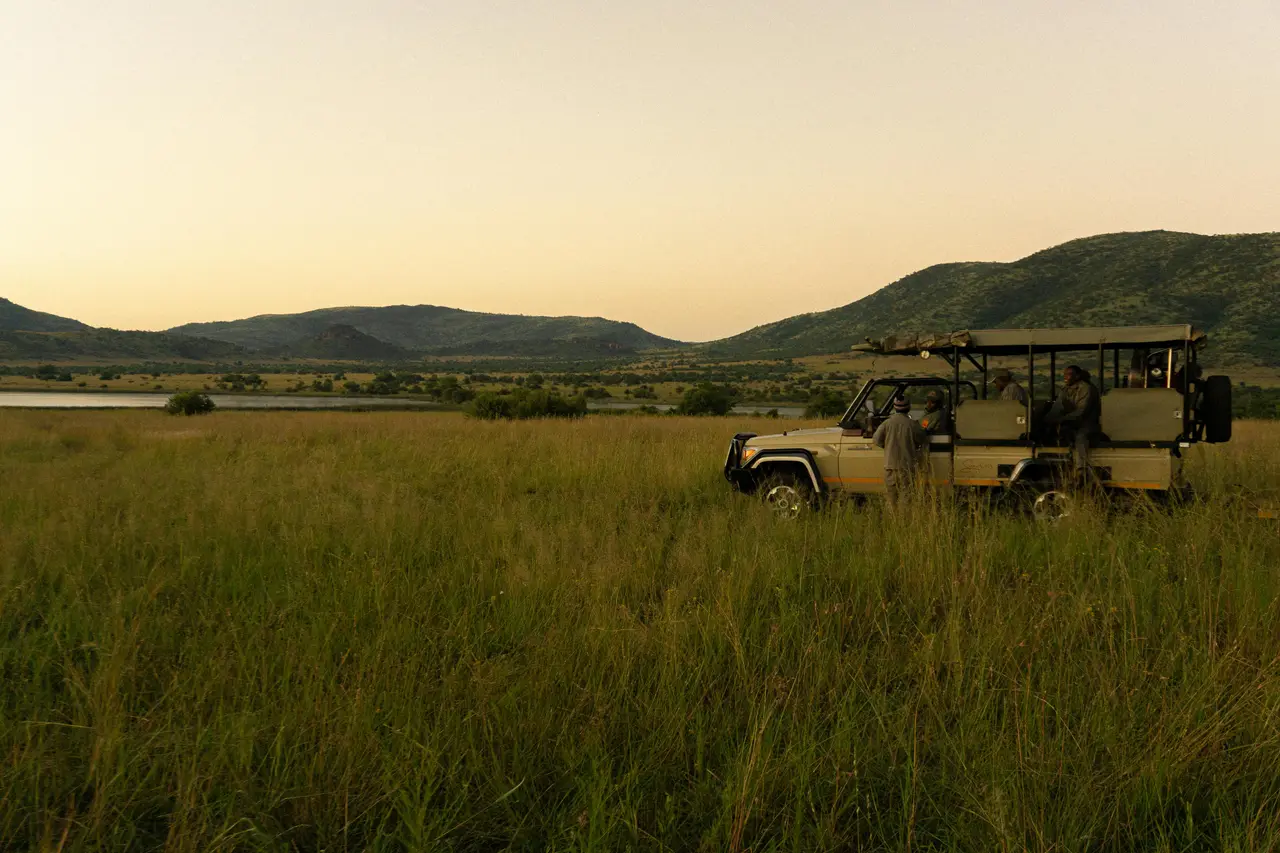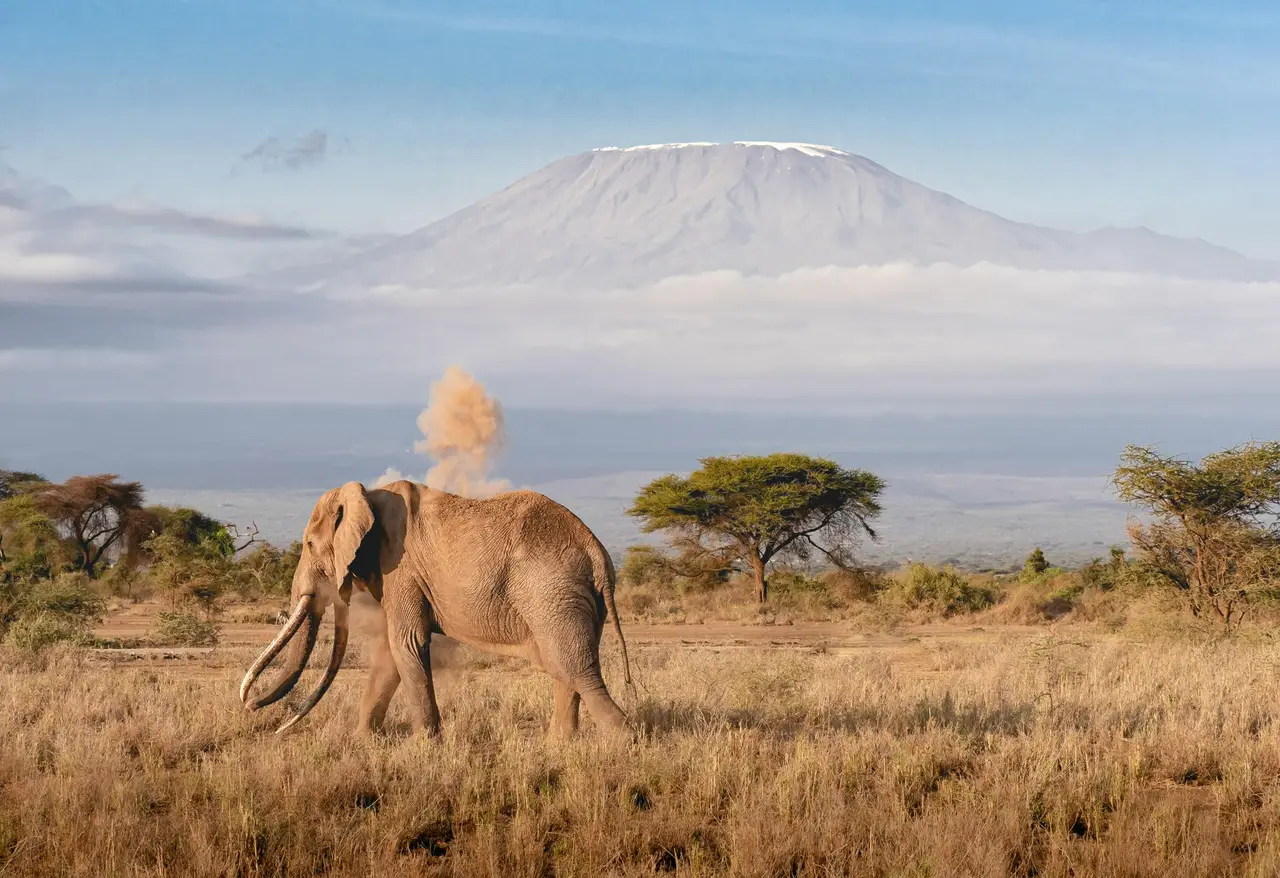
Kenya is one of the iconic safari countries, and one where you can walk the most: Hell’s Gate can be explored by bicycle or on foot, Longonot can be climbed to the rim of its crater, and Mount Kenya offers high-altitude trekking with no need to be a mountaineer. And then there is the Masai Mara, the natural continuation of the Serengeti across the border.
When to go
The best windows are January to March and July to October. Between July and September the herds cross the Mara River, moving from the Serengeti into the Masai Mara: it is the most spectacular time and also the busiest.
The long rains fall between April and June, the short rains in November. In the highlands the temperature drops markedly at night: you will need a fleece even in summer.
Documents and entry
Since January 2024 the visa no longer exists: you need the eTA, the electronic travel authorisation, compulsory for Italian citizens of all ages, infants included. Each traveller needs their own eTA: families can submit a single group application, which issues one for each person.
It costs from US$30 per person and can be applied for only on the government portal etakenya.go.ke: there are no other legal channels, and the intermediary sites that appear in search engines add mark-ups without providing anything more. You also need a passport with six months’ remaining validity and proof of an onward flight out of the country.
Since 5 October 2026 you also need compulsory travel health insurance from a Kenyan insurer: US$44 per person plus taxes, valid for three months from entry, with cover of at least US$50,000. It is bought on the government portal insurance.ecitizen.go.ke, also separately from the eTA, and does not replace your travel insurance.
Travellers in transit who do not leave the airport do not need one. On entry, your passport must have one completely blank page. FCDO travel advice for Kenya.
Health
A yellow fever certificate is required from those arriving from a country at risk, including after a transit of more than 12 hours (for example in Addis Ababa); those arriving from Italy do not need one, but many travellers choose to be vaccinated anyway if their journey continues to other African countries. Malaria prophylaxis is recommended, particularly for the Masai Mara and the coast. Nairobi lies at 1,660 metres: those arriving from near sea level may feel the altitude on the first day.
What to see
Masai Mara: rolling plains, riverine forests and more than 450 bird species. Mount Kenya: Africa’s second-highest peak at 5,199 metres; the Sirimon route starts at 2,650 metres and crosses rainforest and moorland. Aberdares: waterfalls, steep forests and highlands with elephants and rhinos. Lake Naivasha and the Crescent Island reserve, explored on foot. Hell’s Gate: gorges, rock towers and geothermal steam. Longonot: a volcano with a panoramic trail around its caldera.
Good to know
The official languages are Swahili and English, the latter widely spoken. M-Pesa, the mobile phone payment system, is accepted almost everywhere. Electrical sockets are the British three-pin type. Tips for your guide are around US$10 per day.