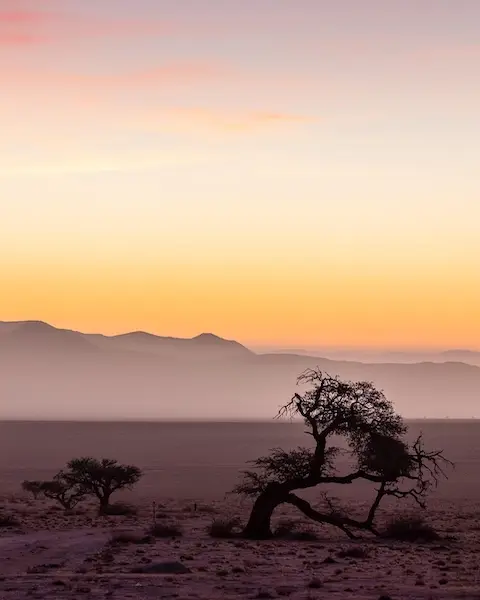
Mara, in the Maa language, means spotted: it is how the Masai describe this plain dotted with acacias, bushes and cloud shadows. The reserve takes its name from the people who have lived here for centuries and from the river that crosses it, and to the south it continues without barriers into the Serengeti. Animals move from one country to the other; vehicles do not.
A reserve, not a park
The Masai Mara is a national reserve managed by the local authorities, not by Kenya’s national parks service. Established in 1961 as a sanctuary of about 520 km², it was enlarged the same year and reached its current size of 1,510 km² in the 1980s, after part of the land was returned to the Masai communities.
Two managements, two experiences
West of the river lies the Mara Triangle, about a third of the reserve, entrusted to a non-profit organisation, the Mara Conservancy: few properties inside and regularly maintained tracks. The rest of the reserve is run by Narok County and is home to most of the camps and vehicles.
The conservancies
To the north and east of the reserve, many Masai landowners have pooled their land and leased it to tented camps, in exchange for a fee or a share of the revenue. This is how the conservancies came about, among them Mara North, Olare Motorogi, Mara Naboisho and Ol Kinyei. In some, families retain grazing rights.
The number of properties and vehicles is limited, and walking safaris and night drives, which are not allowed in the reserve, are usually permitted. For those seeking silence around their sightings, this is the choice that changes the journey most.
When to go
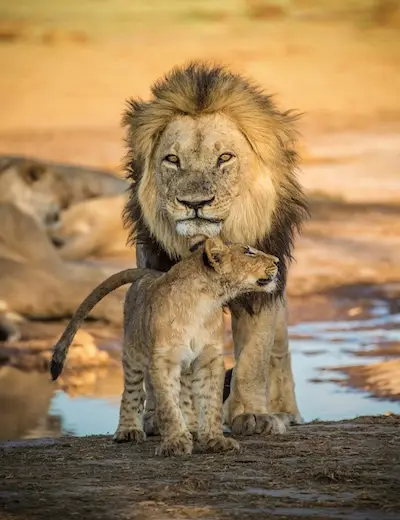
Lions, leopards and cheetahs are resident and can be seen all year round. Between July and October the herds of the Great Migration arrive from the Serengeti and the Mara River becomes the stage for the crossings. April and May, with the long rains, are the hardest months for the tracks; in November the short rains return.
Something to know
It is the flip side of fame. On high-season days, at the best-known crossing points, you may count dozens of vehicles on the same bank, waiting for the wildebeest to make up their minds. No one can guarantee a crossing, and the behaviour of vehicles around the animals is one of the reserve’s most debated problems.
How to get there
From Nairobi it takes about five to six hours by road, with the last stretch unpaved, or an internal flight of about an hour to the airstrips of the reserve and the conservancies.