TripsViaggiSamburu and its unique species, the Aberdare forests, Lake Nakuru and the Masai Mara on a 7-day private safari, from €3,490. See the full itinerary./img/reticulated-giraffe-bending-over-to-eat-in-samburu-national--4d410e73-240.webp
Northern Kenya: Samburu, the Aberdares and the Masai Mara, 7 days
Kenya 7 days Safari Private, not in a group
from €3,490
per person, incl. flights from Italy Not flying from Italy? We quote flights from your airport. Request a quote
A Kenya safari that begins where few travellers go: the Samburu reserve, with species not seen further south, and the forests of the Aberdares, before Lake Nakuru and the Masai Mara.
Why it is unique
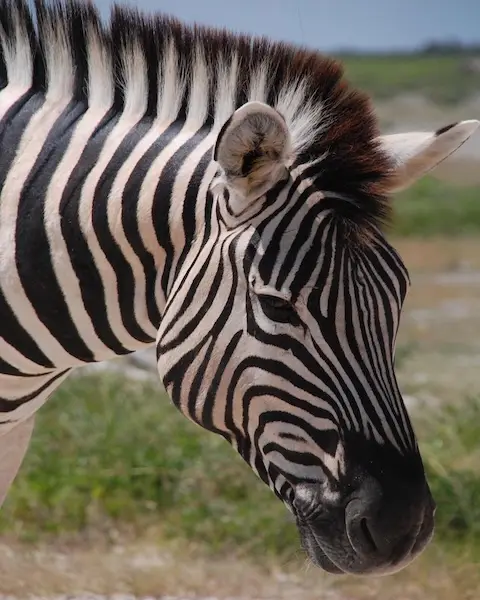
It starts in Kenya’s semi-arid north, which most safaris skip. The Samburu Reserve follows the Ewaso Ng’iro River and is home to five species not seen further south: Grevy’s zebra, the reticulated giraffe, the beisa oryx, the Somali ostrich and the gerenuk. Then come the montane forests of the Aberdares, Lake Nakuru with its rhino sanctuary and finally the Masai Mara.
When to go
The driest months are June to October and January to February. Between July and October the Masai Mara coincides with the Great Migration. At Lake Nakuru the number of flamingos varies greatly with the water level.
What the journey is like
Four areas in seven days mean long transfer days. The climate changes a great deal: Samburu is hot, while evenings in the Aberdares are cold. Bring layers.
Good to know
You will need the eTA electronic travel authorisation and, since 5 October 2026, Kenya’s compulsory health insurance (US$44). The visit to the Samburu community is accompanied by local guides.
Day-by-day itinerary
1Day 1Nairobi and Samburu
Departure from Nairobi heading north, across the equator, to the Samburu National Reserve on the Ewaso Ng’iro River. A first photo safari in the afternoon among the northern species: Grevy’s zebra, reticulated giraffe, beisa oryx.
2Day 2Samburu and a cultural visit
Photo safari at dawn, when the animals come down to the river, and a visit to a Samburu community accompanied by local guides. Another drive in the reserve in the afternoon.
3Day 3Aberdares
Transfer to Aberdare National Park, a massif of montane forest and moorland above 3,000 metres, with waterfalls and forest wildlife. Evenings are cold: warm clothing is needed.
4Day 4Lake Nakuru
Photo safari in Lake Nakuru National Park, in the Rift Valley: the sanctuary for white and black rhinos, buffalo, giraffes and waterbirds. The number of flamingos varies greatly with the water level.
5–6Days 5-6Masai Mara
Two full days in Kenya’s most famous reserve: lions, cheetahs, elephants and, between July and October, the herds of the Great Migration. With two days you can stay in the best areas without hurrying.
7Day 7Return to Nairobi
A final photo safari at dawn and return to Nairobi by road.
What you might see
LionVery likely
The Masai Mara is one of the best places in the world to see them.
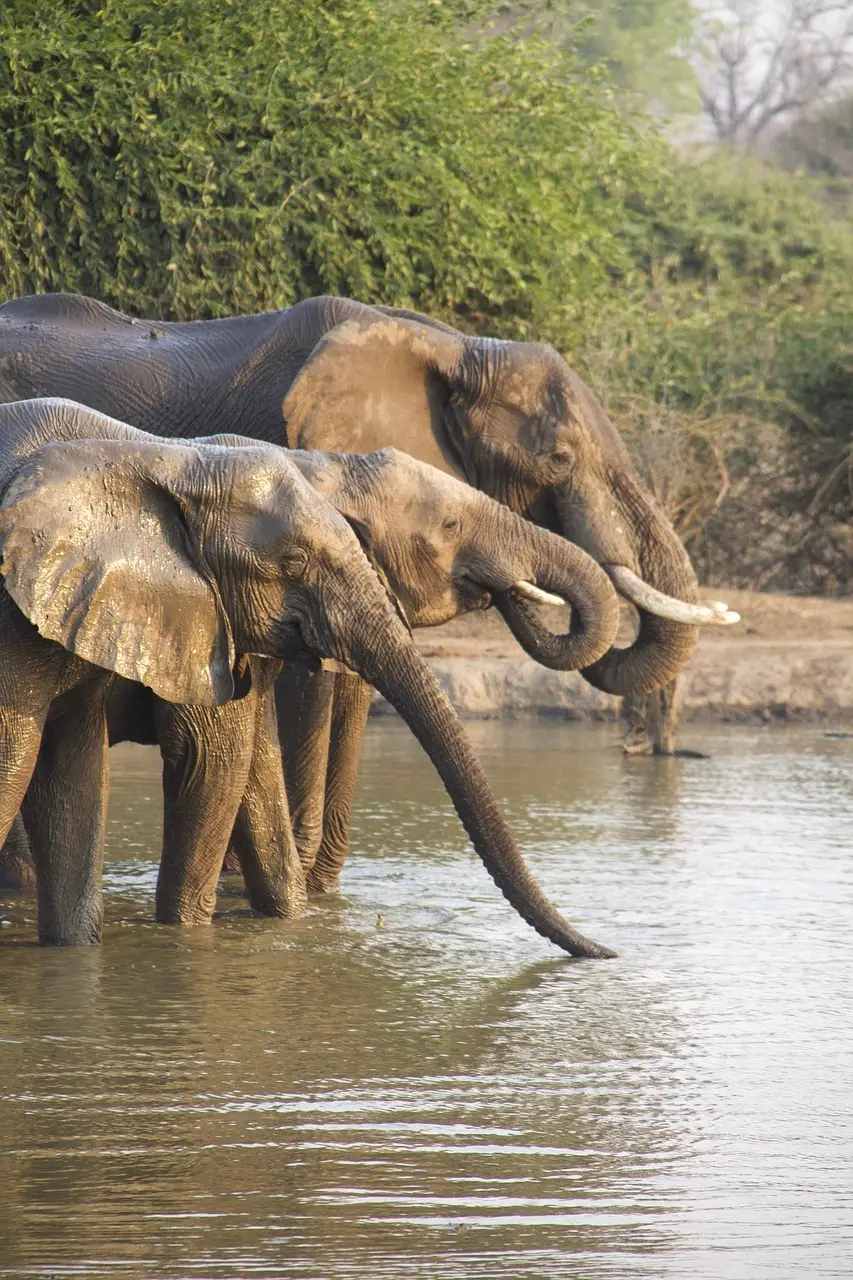
ElephantVery likely
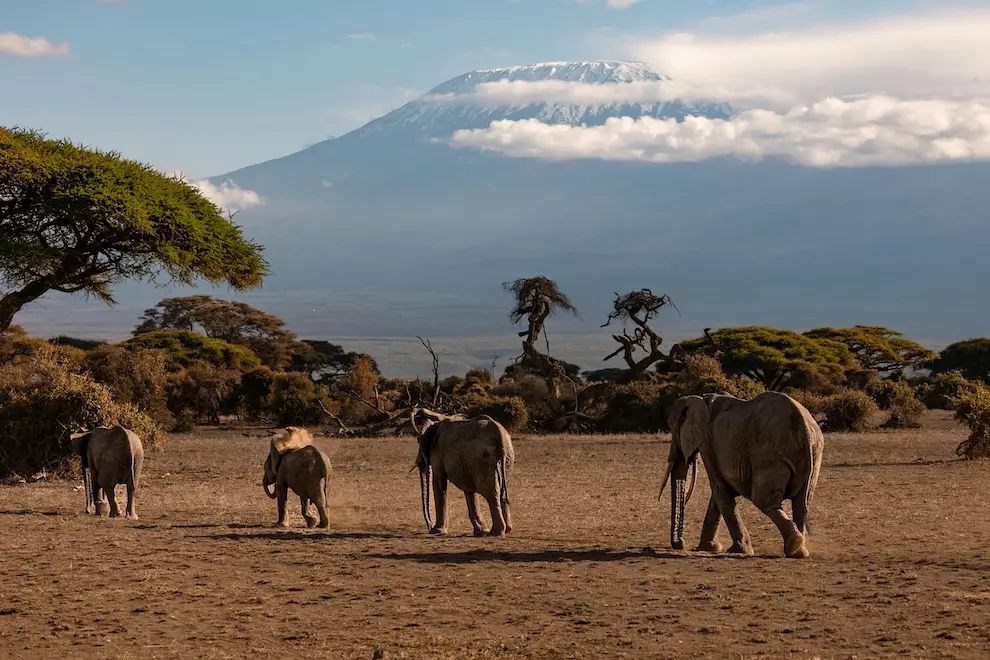
Large herds in Amboseli and the Mara.
Migrating wildebeest and zebrasVery likely
In great numbers in the Mara from July to October.
CheetahLikely
On the open plains of the Mara.
LeopardLikely
Along the rivers and in wooded areas.
RhinoLikely
Above all in the Lake Nakuru sanctuary.
Indicative estimates. Nature can’t be booked: your guide knows where to look, but can’t guarantee a sighting.
When to go
Departures on request, November 2026 – December 2027
ideal good low season not recommended
Best time: January – February and June – October. Also good in March and December. Tap a month to use it in your quote request.
The climate, season by season
Jul–Oct · Dry season and migration
Days between 24 and 28 °C, 12–15 °C at dawn in the Mara. The migration herds are in the Masai Mara and river crossings are possible from late July. High season: more vehicles at sightings.
Dec–Mar · Warm and dry
Between 27 and 30 °C, clear light: from Amboseli Kilimanjaro is often visible. Plenty of young animals in the parks.
Apr–May · Long rains
Frequent rain, muddy tracks, some camps closed.
Nov · Short rains
Showers usually late in the day, green landscapes, few visitors.
Indicative figures, averaged over recent years: with every quote we give you the latest picture.
We use technical cookies that the site needs. With your consent we also use analytics cookies, to understand which pages are useful, and marketing cookies, to measure our campaigns. Read our cookie policy.