Practical advice 2 min read
Vaccinations, malaria and water: what to ask your doctor before Africa
There is no need to be alarmed, only to plan in good time. The right questions to ask at the vaccination clinic, and the yellow fever rule that surprises many.
Weltweg editorial team
In this article5 sections
No article replaces a doctor, and this one is no exception. Its purpose is to tell you what to ask and how far in advance: the advice is to book an appointment at a travel medicine clinic, or at the international vaccination office of your local health authority (in Italy, the ASL), at least six to eight weeks before departure.
Yellow fever depends on the route
Travellers arriving in Tanzania or Kenya directly from Italy are not normally required to show a yellow fever vaccination certificate. Things change with the itinerary: if you arrive from a country considered at risk, or make a long stopover in one, the certificate may be required. The cases to check most carefully are trips combining several East African countries and flights with long layovers in at-risk countries, such as Ethiopia. The vaccine must be given at least ten days before entering the country.
Malaria
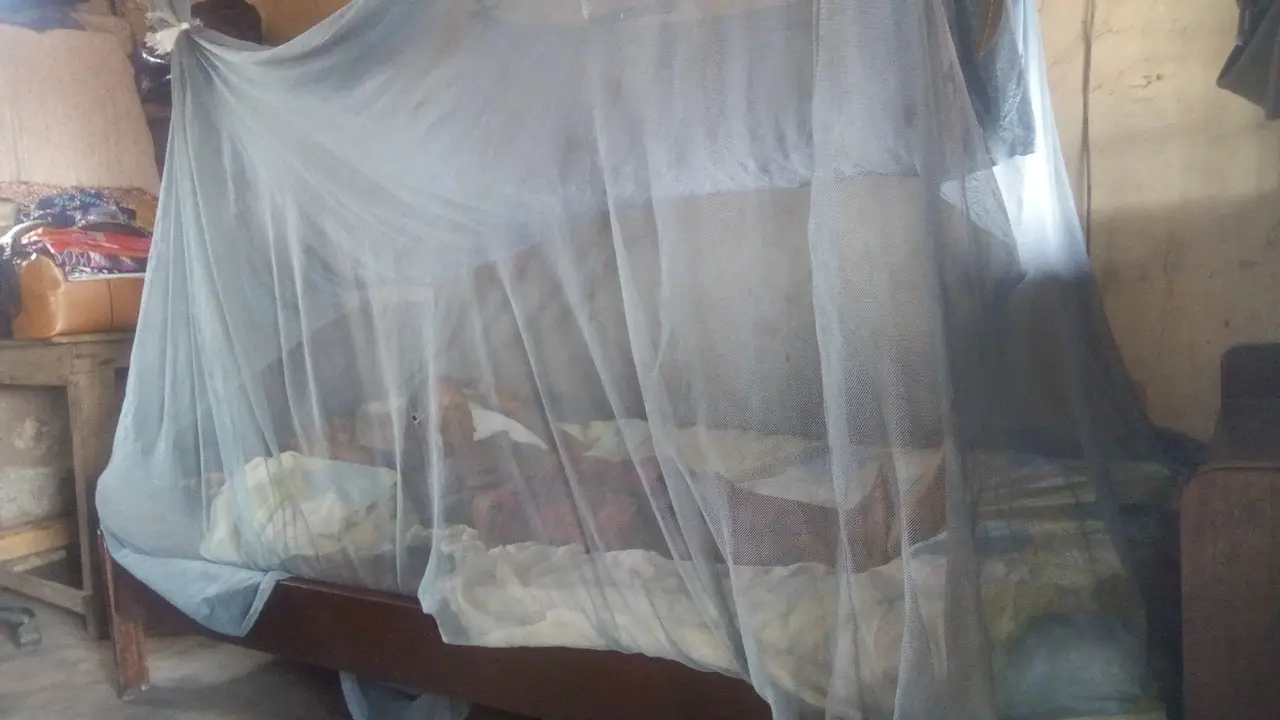
Malaria is present in most safari areas and along the East African coast. Prevention has two parts. Drug prophylaxis, which must be prescribed by a doctor according to the itinerary, the time of year and your own medical history. And protection from bites: repellent on exposed skin, long sleeves at sunset, a mosquito net where provided. Any fever in the weeks after your return should always be reported to a doctor, mentioning that you have been in Africa.
Other vaccinations
Your doctor will also review routine vaccinations and those recommended for travellers, such as hepatitis A and typhoid, depending on the length and type of trip.
Water and food
Only water from sealed bottles, even for brushing your teeth, no ice of uncertain origin, fruit you can peel. In lodges the water is generally treated or supplied in bottles, but it costs nothing to ask.
What to bring
A small travel first-aid kit: your usual medicines in sufficient quantity, with the prescription, an anti-diarrhoeal and rehydration salts, something for fever, disinfectant, plasters, high-factor sun cream and repellent. And health insurance that also covers medical evacuation.
Health guidance changes: always refer to your doctor and to the latest information on Viaggiare Sicuri, the travel advice website of the Italian Ministry of Foreign Affairs (Farnesina).