Practical advice 3 min read
Twenty things nobody tells you before your first safari
Timings, rules, packing, money and the unexpected: the practical details that shape a day on safari and that are usually discovered on the spot.
Weltweg editorial team
In this article5 sections
These are the details nobody mentions beforehand, and they change the day. We have set them out in the order they come, from waking up to evening.
The day
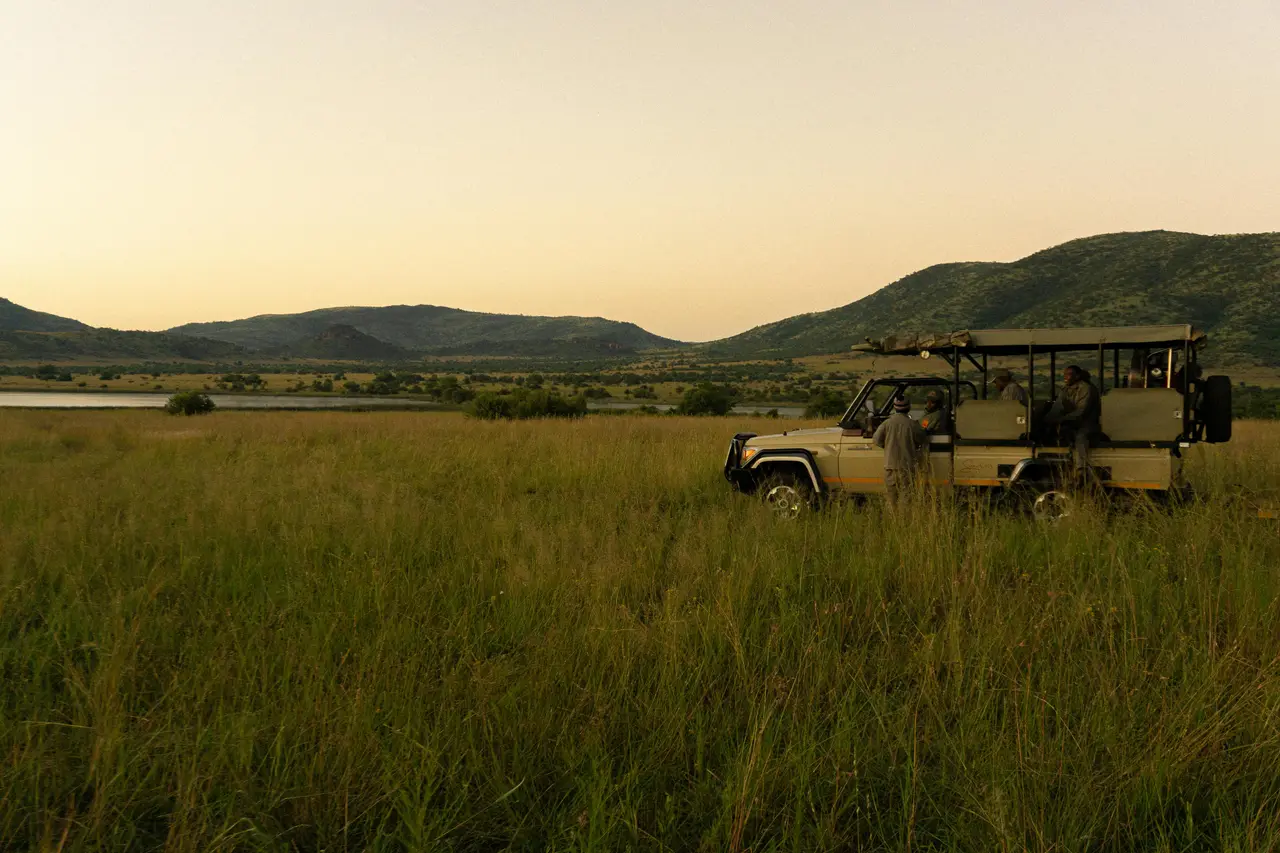
You leave at six. It is not zealotry: at dawn the animals are on the move, at midday they sleep in the shade. Those staying inside the park set off already chasing the light; those staying outside lose the first hour.
In Tanzania you must be back at your lodge or camp by 6pm, by law. It is not your guide’s choice.
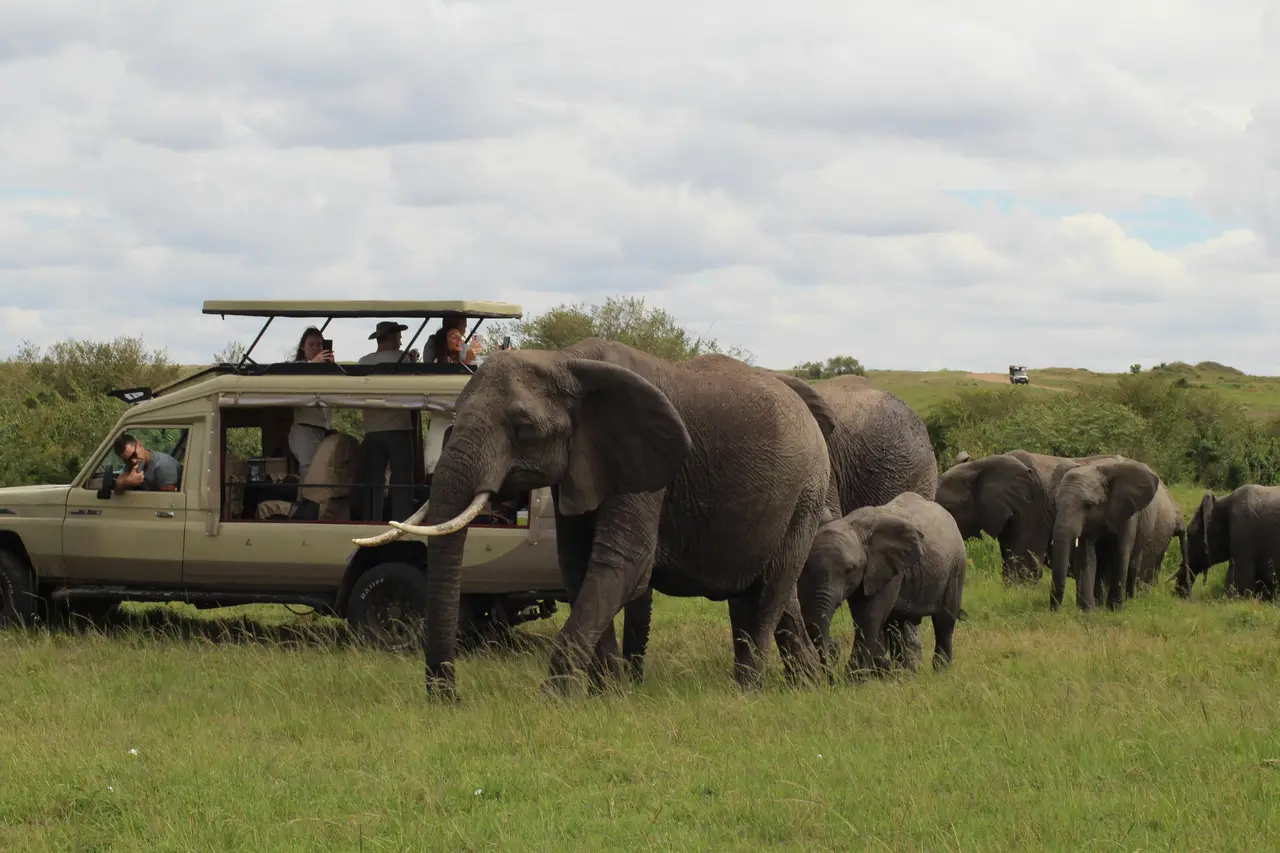
You stand on the seats barefoot. To get a better view through the pop-up roof you stand on the seat, but without shoes: it is the rule with almost every operator.
Switching off the engine makes all the difference when you are taking photographs: ask, nobody will take offence.
What to pack that you might not expect
A pair of binoculars each, not one per couple: it is the accessory that changes a safari the most.
A proper jacket. On the rim of the Ngorongoro Crater at dawn, it is around ten degrees.
No plastic bags in Tanzania: they have been banned since 2019 and are confiscated on entry.
Recent, small-denomination dollars. Notes printed before 2006 are often refused; euros cannot be exchanged in most places.
A British-style adapter, with three pins: it is the standard in Tanzania and Kenya.
A soft bag, not a hard-shell suitcase, if there are internal flights: the allowance is low and the holds of small aircraft are tight.
Body and health
Colour matters: in areas with tsetse flies, such as parts of Tarangire, blue and black attract them.
Bottled water even for brushing your teeth, and ice only where you know how it was made.
Yellow fever depends on the itinerary: arriving from Italy you usually do not need the certificate; combining several African countries, you do. Decide with your doctor, not with a blog.
Money, tips, the unexpected
Tips are almost never included and are a real part of the income of guides and staff: budget for them in advance.
Park fees are charged per person per day, and in some reserves the fee doubles in high season.
A hot-air balloon flight costs around $450 per person and must be booked in advance, not on the morning itself.
Rules that surprise
Drones are effectively banned in the parks of Tanzania and Kenya without specific permits.
Ask people before photographing them, and in many villages this is regulated and paid for.
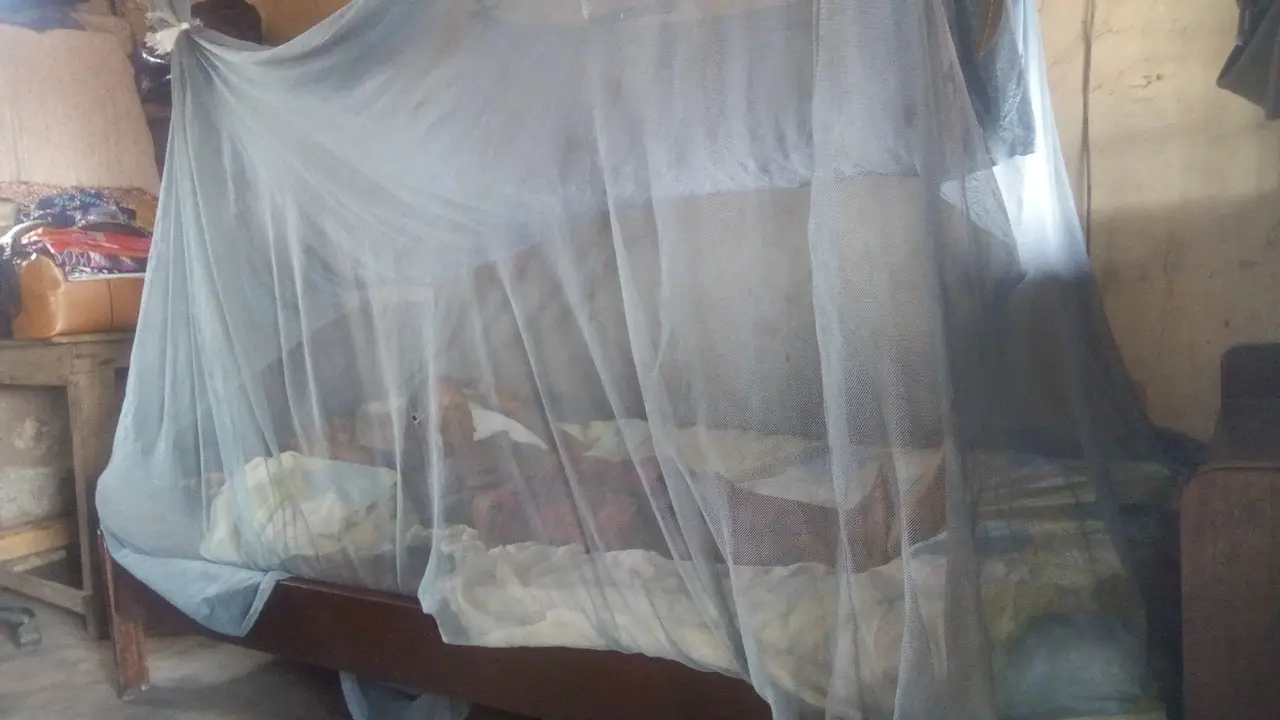
In tented camps the power comes and goes: generators are switched off at night, and wifi, where there is any, is in the communal areas.
Radio chatter between guides fills up sightings: if you arrive where there are already ten vehicles, asking to go elsewhere is often the best choice.
Nobody can guarantee you a sighting. Anyone who does is selling you something they do not control.