Practical advice 3 min read
Photography on safari: what to bring, how to use the light, what to leave at home
You do not need professional kit: you need the right kit for a safari vehicle, the dust and six in the morning.
Weltweg editorial team updated 16 September 2026
In this article6 sections
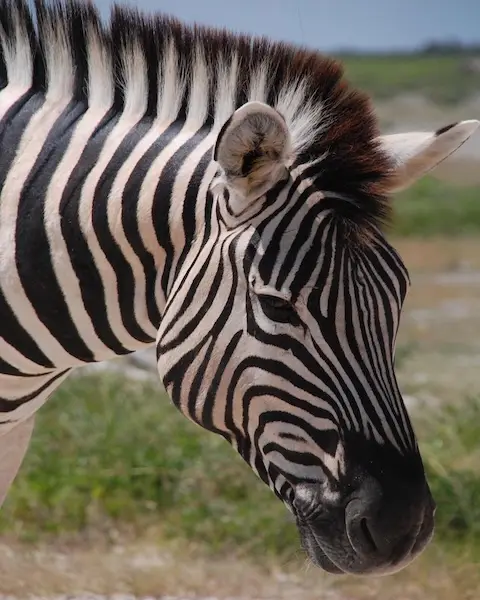
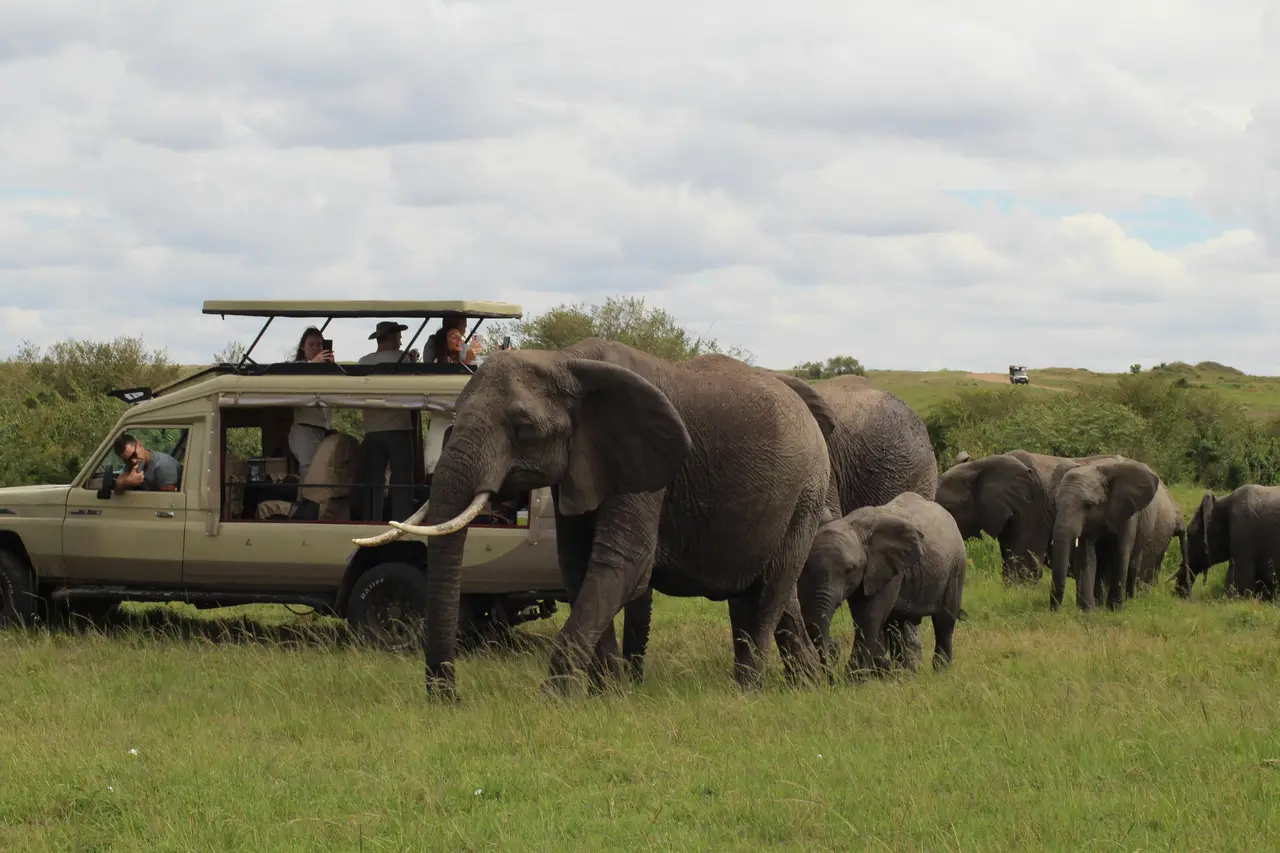
Almost every photograph on a safari is taken sitting down, from a stationary vehicle, often tens of metres from the animal. It is a very particular setting, and your kit should be chosen for it, not from a generic list of travel cameras.
The lens matters more than the camera
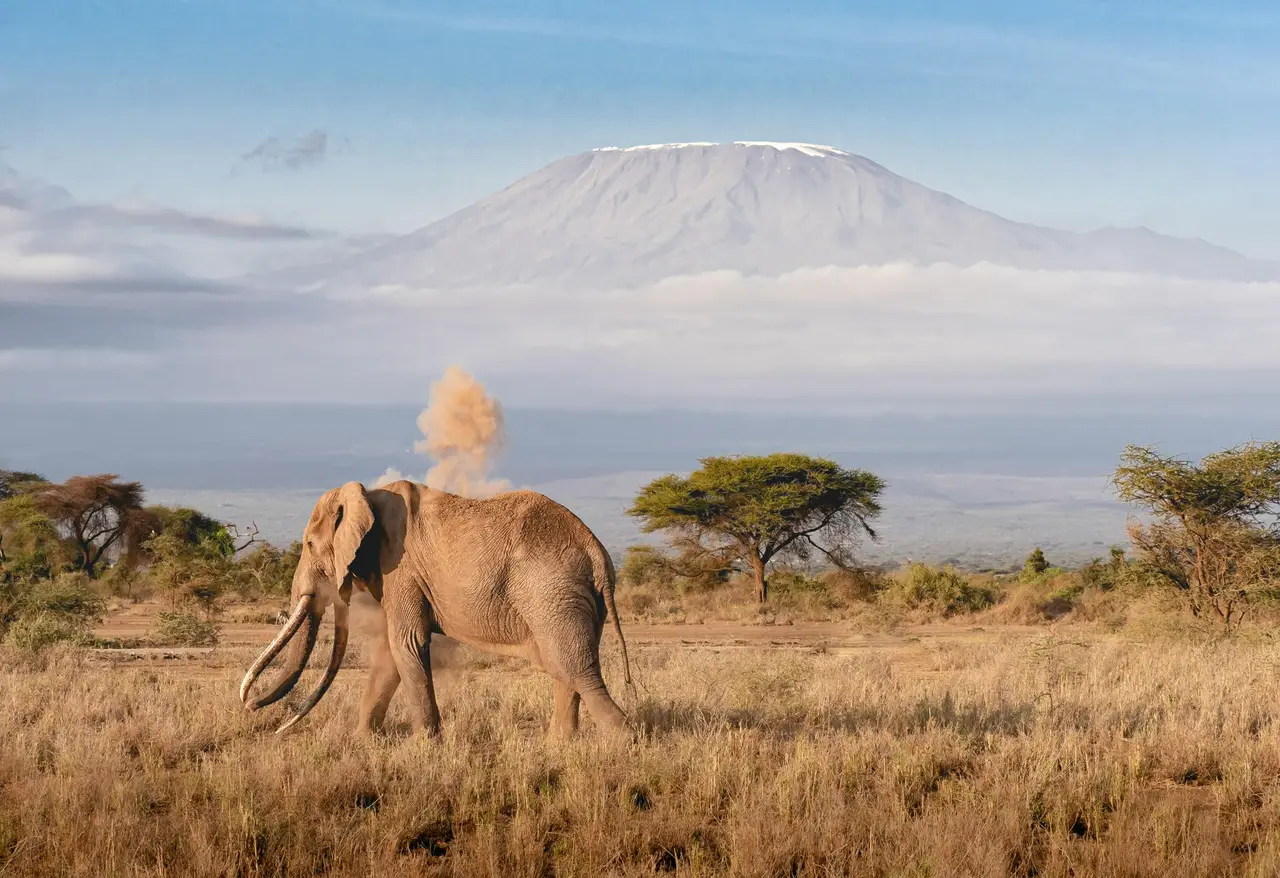
For wildlife you need a long focal length: a zoom reaching at least 300–400mm equivalent covers most situations. For landscapes and animals close by, more frequent than you might think, especially with elephants, a short lens or a smartphone is enough. Changing lenses in the vehicle means letting dust onto the sensor: better a good, versatile zoom than constant swapping.
Stability without a tripod
A tripod is no use in a safari vehicle. Rest the camera on the edge of the pop-up roof or the window, ideally on a soft bag filled with rice or beans, to be emptied at the end of the trip. When shooting at long focal lengths, ask the guide to switch off the engine: the vibration shows.
Safari light
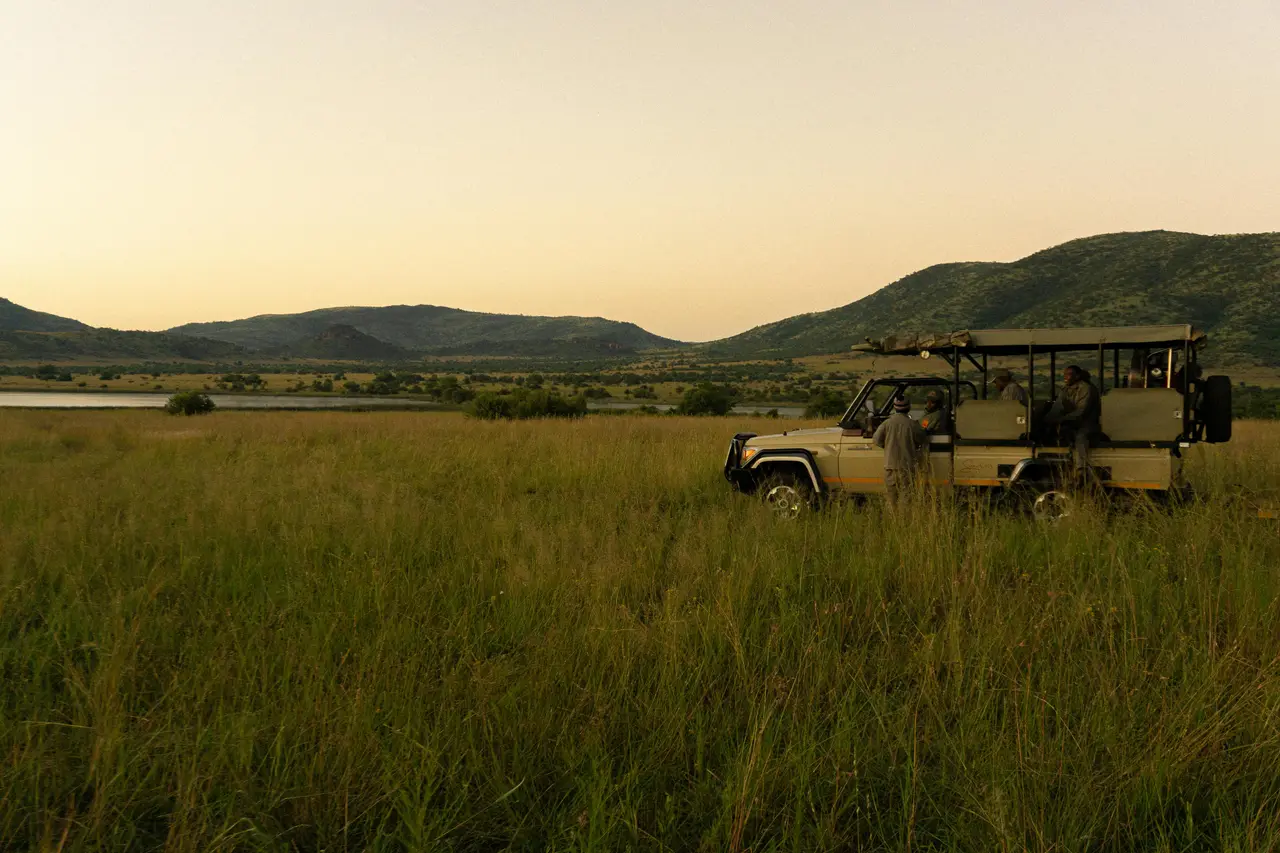
The good hours for photography are the same ones in which the animals are active: the first after dawn and the last before sunset. At midday the light is harsh and vertical, and the animals seek shade. It is one of the reasons why the safari day is organised the way it is.
Batteries, cards and dust
Bring at least one spare battery and more memory cards than you think you will use: with animals on the move you shoot in bursts. In lodges you can usually charge in your room; in tented camps, sometimes only at certain hours of the day. A microfibre cloth, a dust blower and a waterproof bag solve almost every problem.
What to leave at home
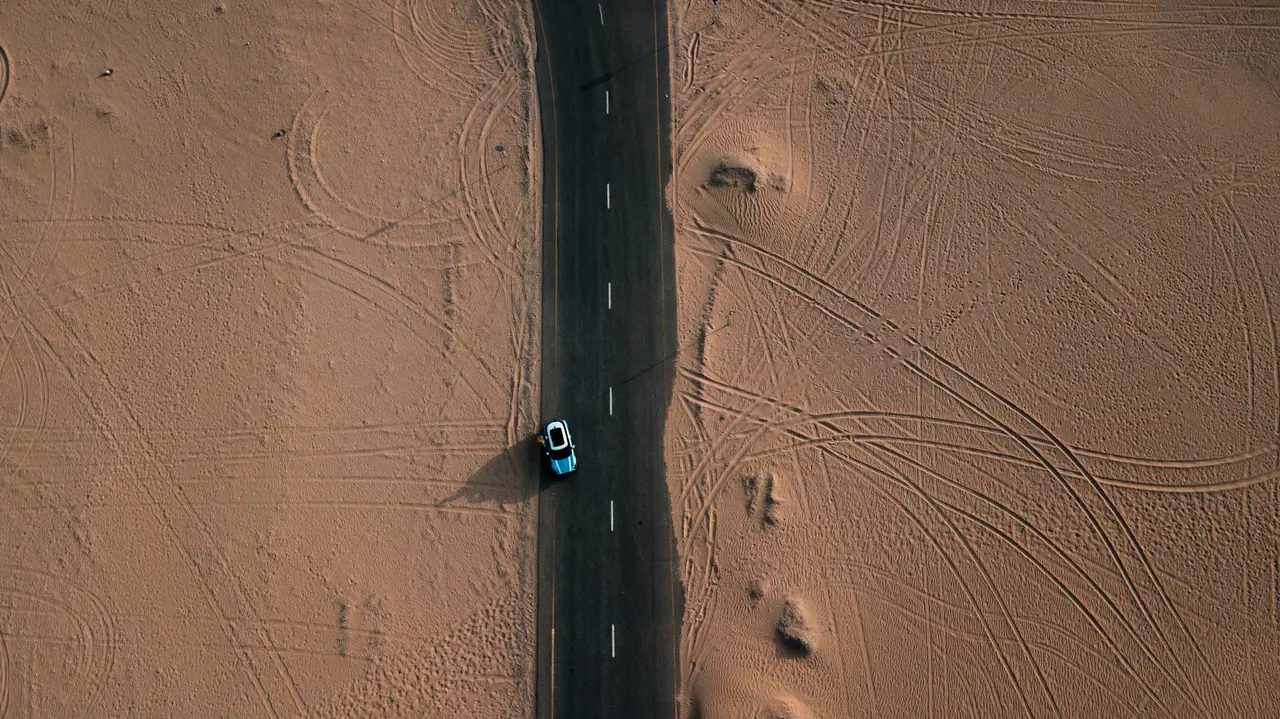
The drone. In the national parks of Tanzania and Kenya it cannot be used without specific permits: for a traveller, in practice, it is not an option. Hard cases full of equipment. On internal flights baggage has strict weight limits and you travel with soft bags, as we explain in what to pack. Flash on animals, ever.
And people
Photographing someone without asking is the quickest way to turn an encounter into a problem. In Maasai villages photography is often regulated and sometimes paid for: ask first, and if the answer is no, it is no.
If your travel photos have an audience on Instagram, YouTube or a blog, take a look at our affiliate program for creators: you share Africa with your own code and earn on every trip booked.