Practical advice 2 min read
Safari with children: from what age, and how to really make it work
The days are long, the roads are unsealed and silence is not optional. But a safari with children works, if you accept a few rules.
Weltweg editorial team updated 16 September 2026

In this article5 sections
The question almost always comes in the same form: “can we bring a child?”. The short answer is yes, but with a different itinerary from that of two adults.
Age
Many lodges and tented camps set a minimum age, usually six, for safety reasons: they lie within unfenced areas, and at night guests move around escorted by a ranger. Some camps raise it to twelve. Under six you can still travel, choosing fenced properties and parks closer to one another.
Our experience is that from seven or eight a safari works well: the child recognises the animals, holds the binoculars, takes part. Under five, it is mostly the parents’ undertaking.
Distances are the real problem
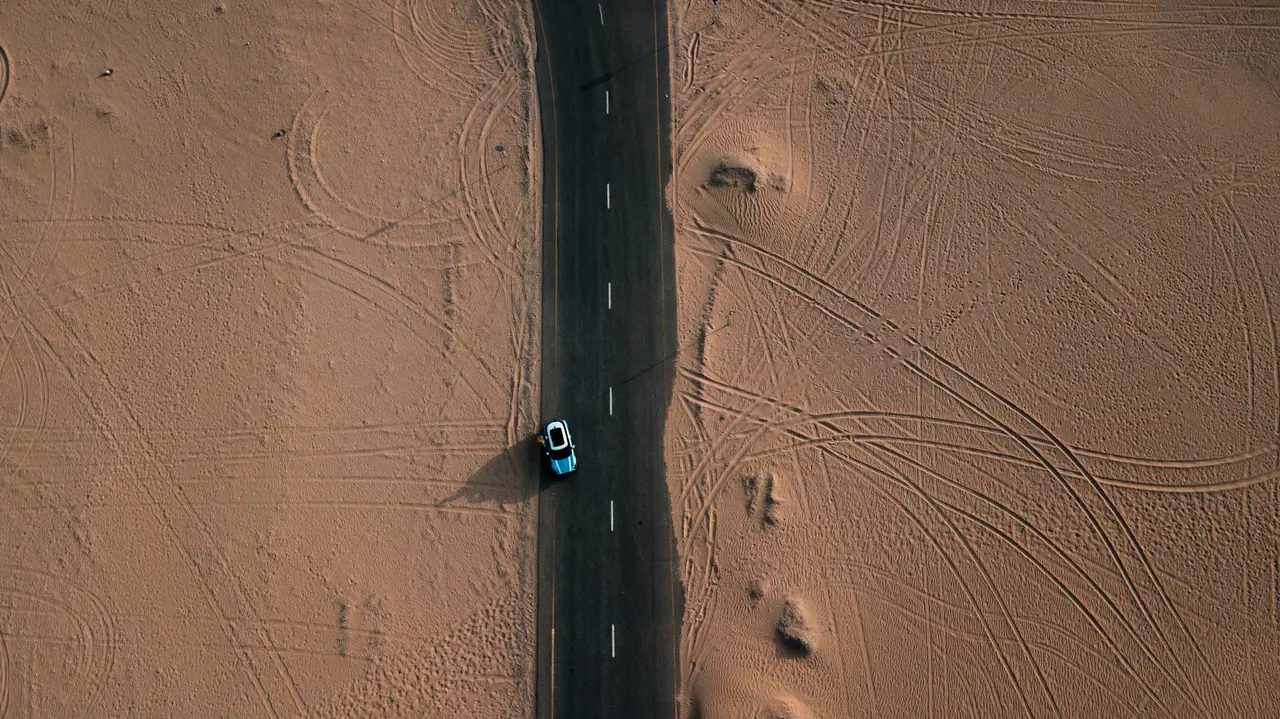
It is not the animals, it is the transfers. From Karatu to the Serengeti is three and a half hours on dirt roads. An adult itinerary puts two of those back to back; with children you break them up, add a night, and accept seeing one park fewer.
An internal flight solves a great deal: one hour instead of seven. It costs money, but on a family trip it is often the money best spent.
The vehicle
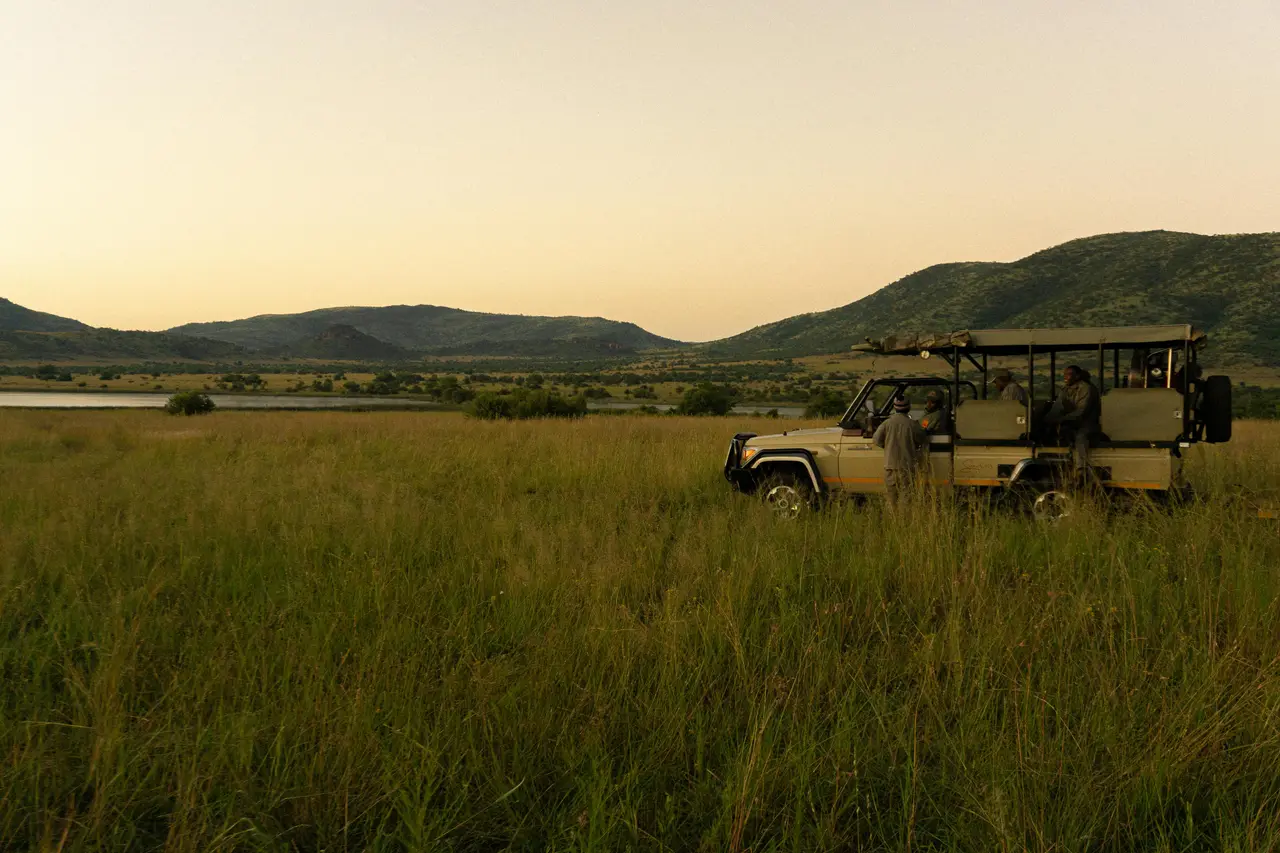
Always ask for a private safari, not a shared one. With a vehicle to yourselves you head back when the child is tired, stop when you need to, and nobody frowns if there is talking in the car. In a vehicle shared with four other passengers, all of this becomes a problem.
Health
Antimalarial prophylaxis for children exists and is safe, but it must be prescribed by a paediatrician or a travel medicine clinic, with doses by weight. Do not improvise, and do not reuse adult prophylaxis. Repellent, long sleeves at sunset, a mosquito net.
What children really enjoy
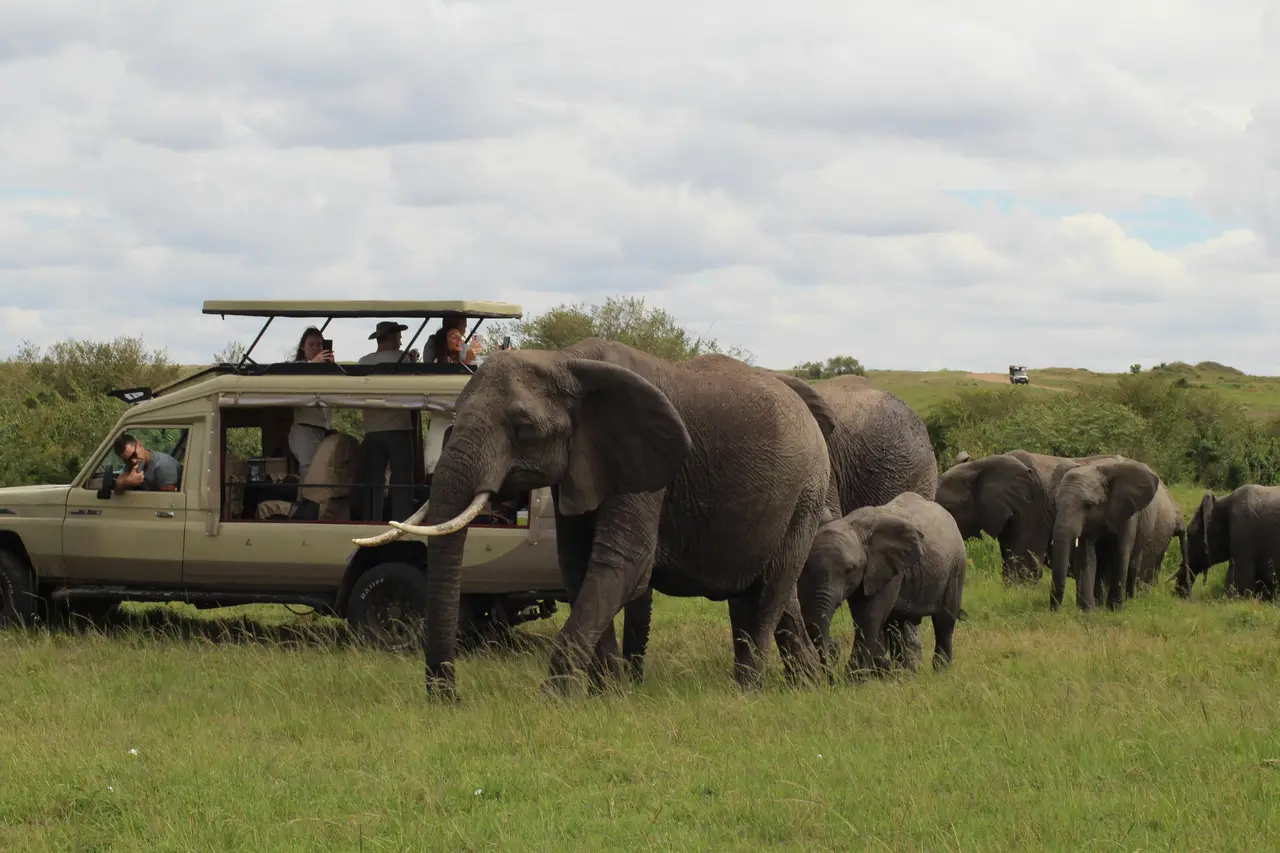
Elephants, always. Giraffes, because they are slow and come close. The Maasai village, far more than you might think. And, surprisingly, binoculars: giving a child an instrument of their own completely changes their day in the vehicle.
What usually does not work: five o’clock wake-ups three days in a row, and parks “to tick off”. Better fewer parks and more time in each.