Points of view 2 min read
Cubs to cuddle and walks with lions: the activities to avoid
Some encounters with animals look harmless and are sold as conservation. Often they are the opposite. How to recognise them.
Weltweg editorial team updated 16 September 2026
In this article5 sections
Holding a lion cub, walking beside a cheetah on a lead, taking a selfie with a wild animal: these experiences are still on sale in several African countries, often presented as conservation or rehabilitation projects. In the vast majority of cases they are nothing of the sort.
The problem with cubs
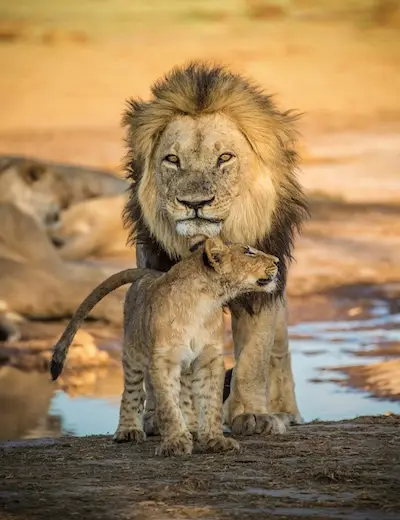
A cub that lets dozens of tourists stroke it every day was separated from its mother very early. In South Africa in particular, conservation organisations and investigative journalists have documented the link between captive lion breeding, cub-petting activities and hunting in fenced areas. The South African government itself has announced its intention to end captive lion breeding.
Walks with predators
A lion or a cheetah strolling calmly beside a group of people is an animal that has been habituated to humans since it was young. It will hardly ever be able to return to the wild, and its life is that of an attraction. Serious rehabilitation centres limit contact with the public precisely so as not to jeopardise release.
With people, too
The same reasoning applies to orphanage visits, sometimes offered as a charitable experience: child-protection organisations advise against including them in trips, because the constant stream of visitors harms the children and can sustain institutions that hold minors in order to attract donations.
How to recognise a responsible activity
No physical contact with wild animals. No photos holding an animal. No animals on leads or made to perform. A distance that is respected even when it would be convenient to get closer. If an experience promises guaranteed closeness to a wild animal, it is the animal that is paying the price.
What we offer instead
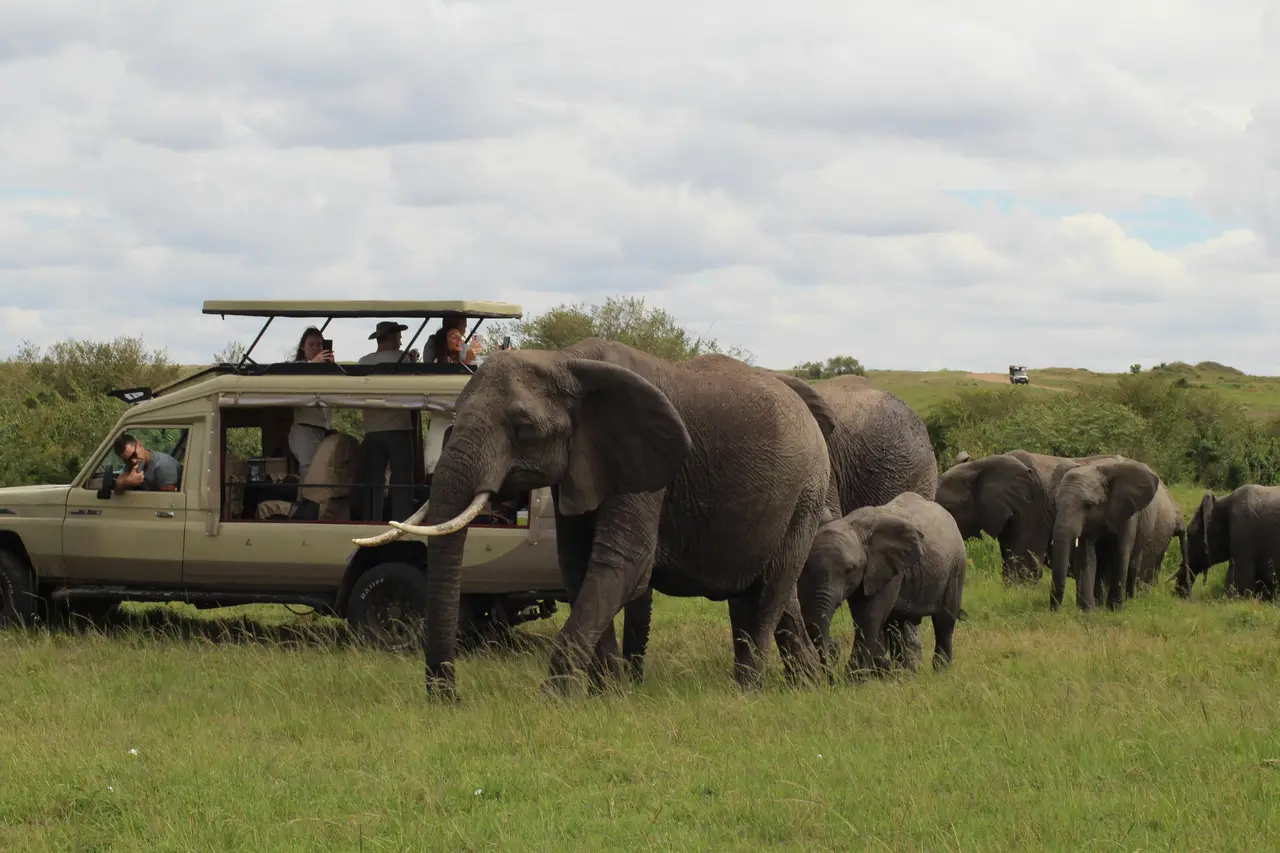
Africa offers ways to be close to wildlife that do not require touching it: a walking safari with an experienced guide, an hour in silence at a waterhole in Etosha, a day with people who genuinely work to protect a landscape. Our trips include no activities involving direct contact with wild animals.