The right month for a trip to Madagascar depends on what you want to see and where you go: excellent from May to November. January to March is cyclone season. Below you will find the twelve months for each area, the seasons and the events worth planning around.
The twelve months
| Month | Nosy Be and the north | Southern Madagascar | Western Madagascar | Eastern Madagascar |
|---|---|---|---|---|
| January | Low season | Low season | Not advised | Not advised |
| February | Not advised | Low season | Not advised | Not advised |
| March | Low season | Low season | Not advised | Not advised |
| April | Good | Good | Low season | Low season |
| May | Ideal | Ideal | Good | Low season |
| June | Ideal | Ideal | Ideal | Good |
| July | Ideal | Ideal | Ideal | Good |
| August | Ideal | Ideal | Ideal | Ideal |
| September | Ideal | Ideal | Ideal | Ideal |
| October | Ideal | Ideal | Ideal | Ideal |
| November | Ideal | Good | Low season | Ideal |
| December | Good | Low season | Not advised | Good |
The seasons
Nosy Be and the north
May–Nov · Dry season. Between 26 and 30 °C, calm seas and little rain. From September to December whale sharks may be seen offshore.
Dec–Apr · Hot and rainy. Humid heat with frequent rain; between January and March the risk of cyclones is real.
Southern Madagascar
Apr–Oct · Dry season. On the highlands and at Ranomafana cool nights, down to 8–12 °C in July; at Isalo and Ifaty hot, dry days.
Nov–Mar · Rains. At Ranomafana it rains almost every day, much less in the south, but the inland tracks deteriorate. Ifaty tops 30 °C.
Western Madagascar
May–Nov · Dry season. Hot, 28–32 °C by day. The Grands Tsingy are open and the track to Bekopaka is passable.
Dec–Apr · Rains. The tracks are cut off and the Grands Tsingy park closes.
Eastern Madagascar
Aug–Nov · The driest period. Between 22 and 28 °C. Lemurs are very active in the Andasibe forests; at Sainte Marie the humpback whales stay until September.
Jun–Jul · Cool. At Andasibe 10–20 °C with frequent drizzle; the humpback whales arrive at Sainte Marie.
Dec–May · Rains. The wettest months on the east coast, with a risk of cyclones between January and March.
Not to be missed
- Lemurs with their young (September–November): In the southern spring many species have young, and the forests of Andasibe and Ranomafana are at their liveliest.
- Humpback whales (July–September): The whales travel up from Antarctica to breed in the channel between Sainte Marie and the coast. They can be watched from a boat and often from the shore too.
- Whale sharks (September–December): Off Nosy Be the world’s largest fish comes close to the surface to feed on plankton. You swim alongside it, without touching.
Area by area
Nosy Be and the north. Excellent from May to November. January to March is cyclone season.
Southern Madagascar. Dry from April to November. In the south there is little rain the rest of the year too, but the inland tracks become difficult.
Western Madagascar. The Tsingy de Bemaraha can be reached roughly from May to November: once the rains come, the tracks are cut off.
Eastern Madagascar. Humid all year: the best period runs from August to November. Humpback whales off Sainte Marie from July to September, cyclones between January and March.
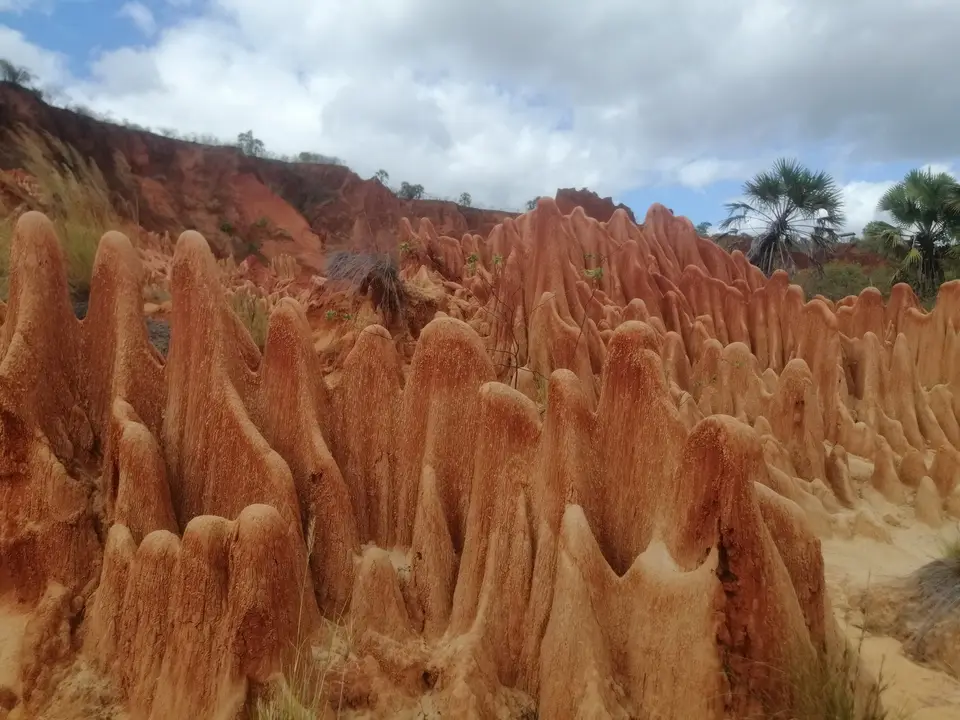
Our trips in Madagascar
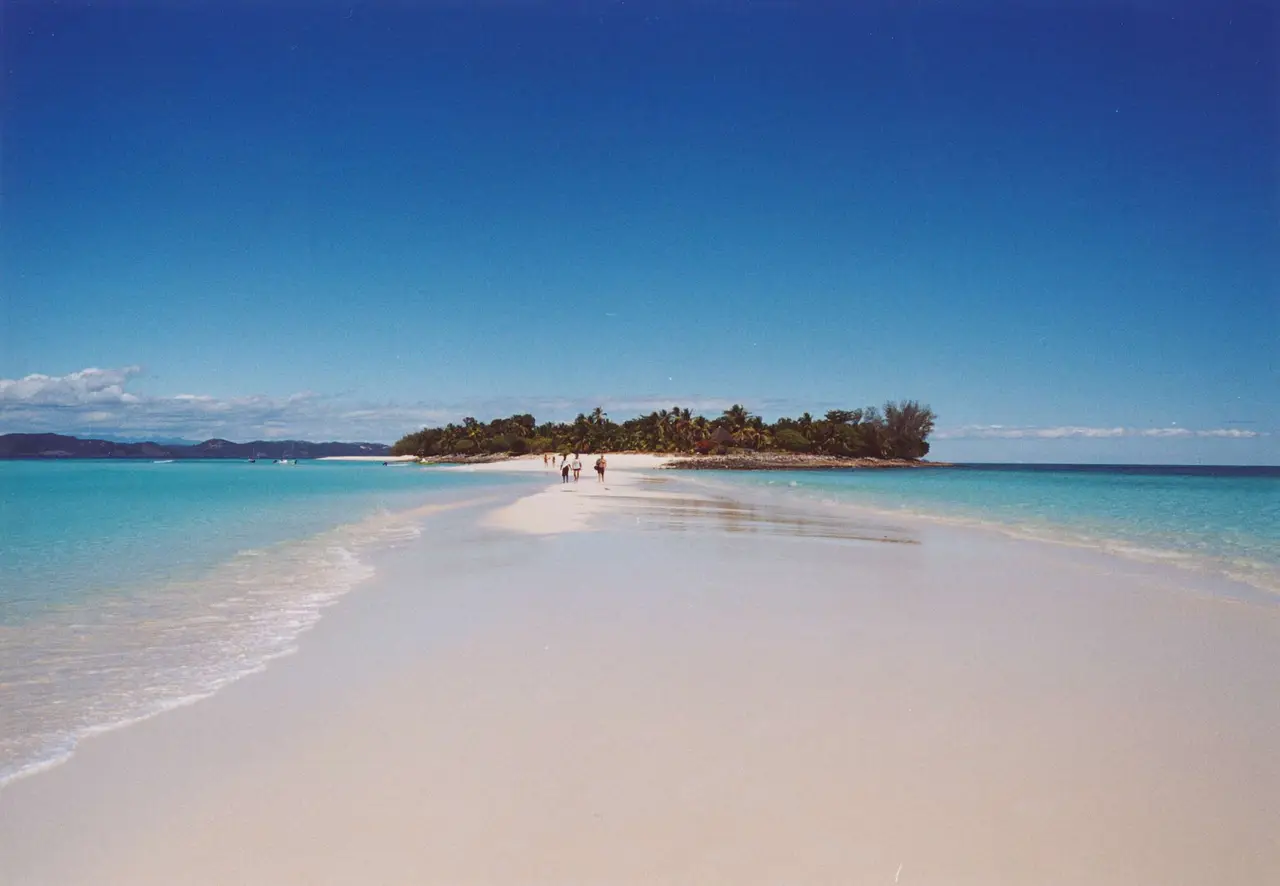
Madagascar · Beach & relax
Nosy Be and its islands
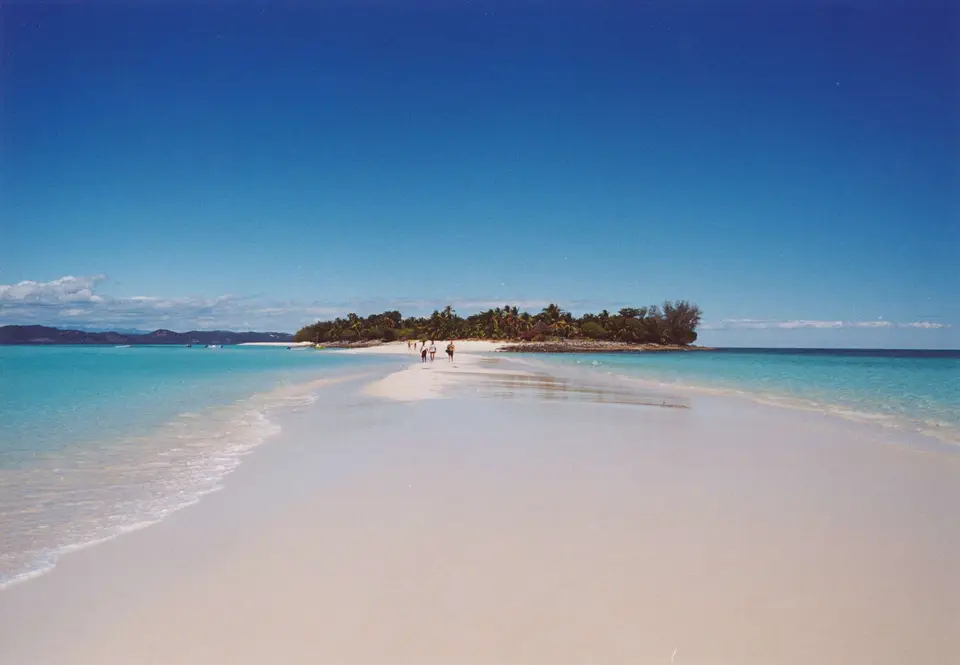
A week on Nosy Be with four boat excursions to the nearby islands: the sandbar of…
from €2,970per person, flights included*
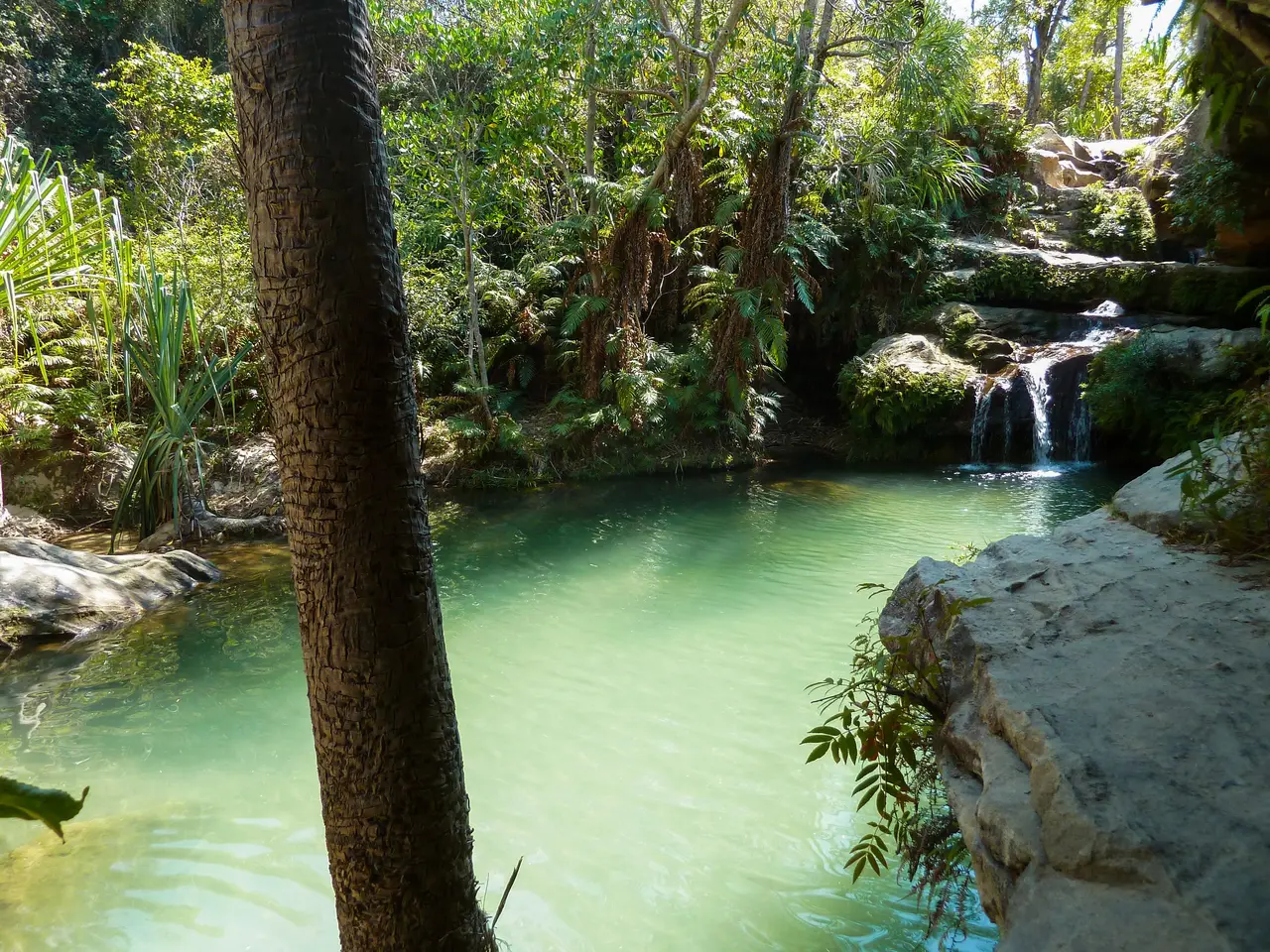
Madagascar · Nature on foot
The South: Ranomafana, Anja, Isalo and Ifaty
The Route Nationale 7, Madagascar’s classic journey. Rainforest at Ranomafana, the ring-tailed lemurs of the Anja community reserve…
from €4,190per person, flights included*
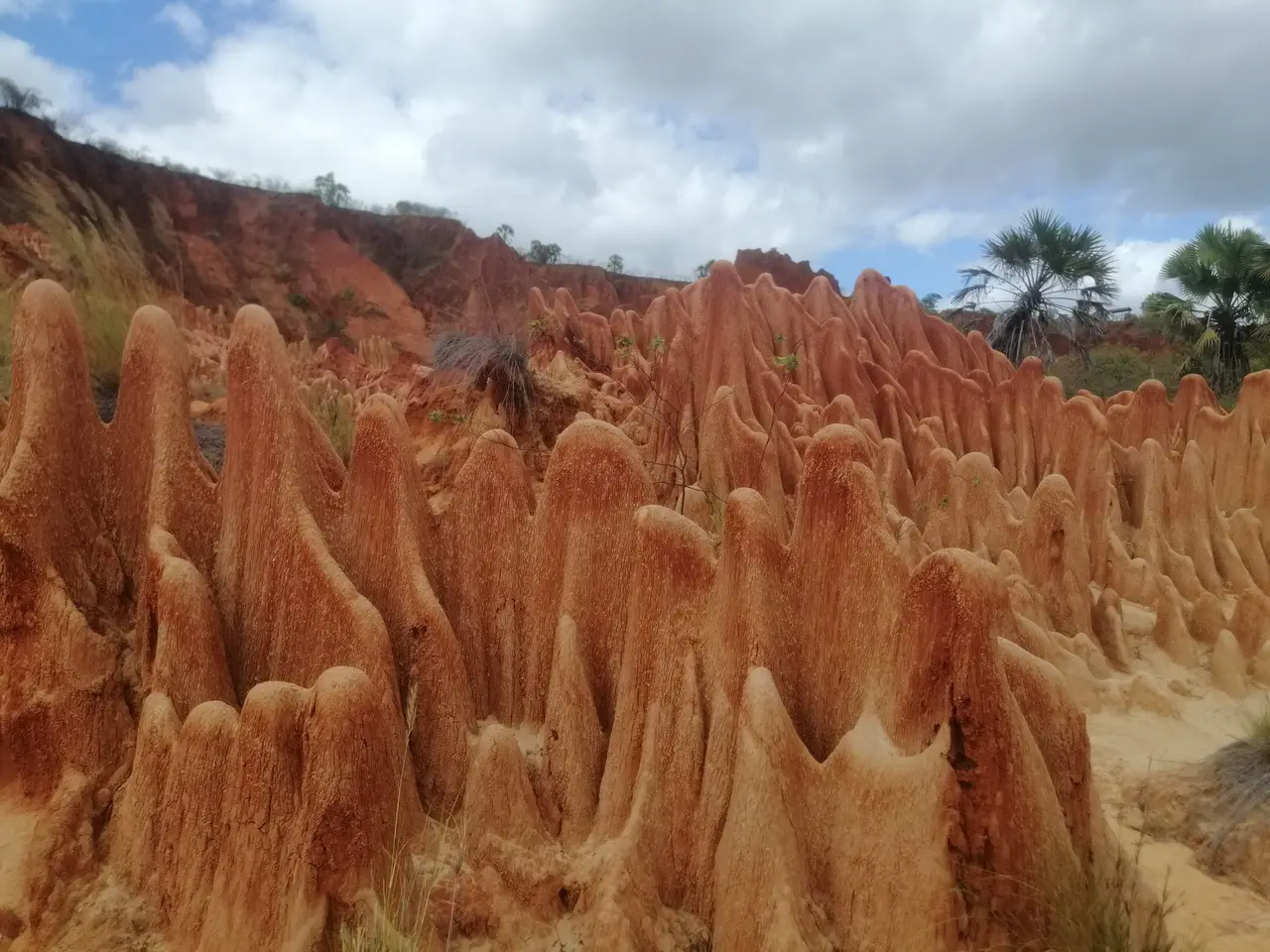
Madagascar · Nature on foot
The North: Ankarana, Amber Mountain and Nosy Be
From the far north to the islands: the forests of Amber Mountain, the Red Tsingy, the limestone canyons of Ankarana and…
from €4,520per person, flights included*