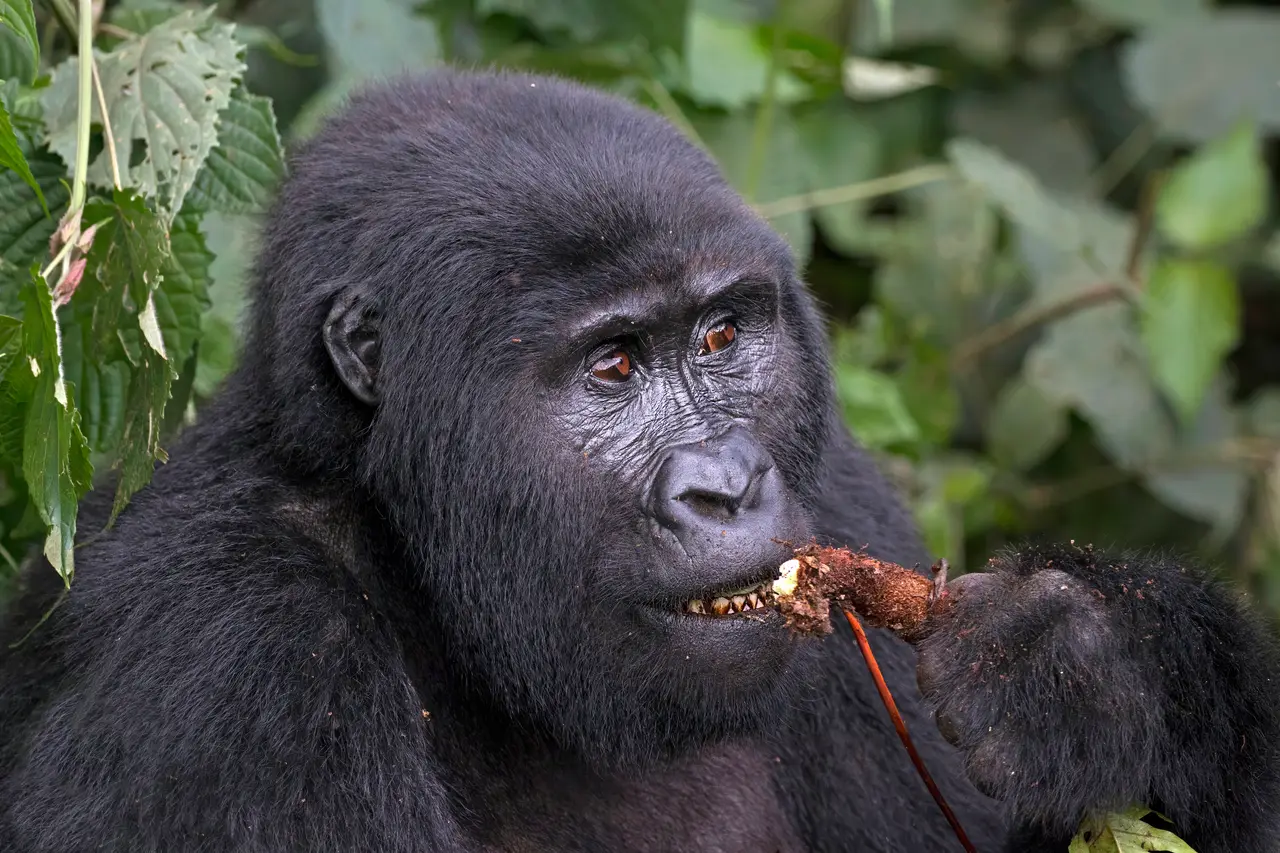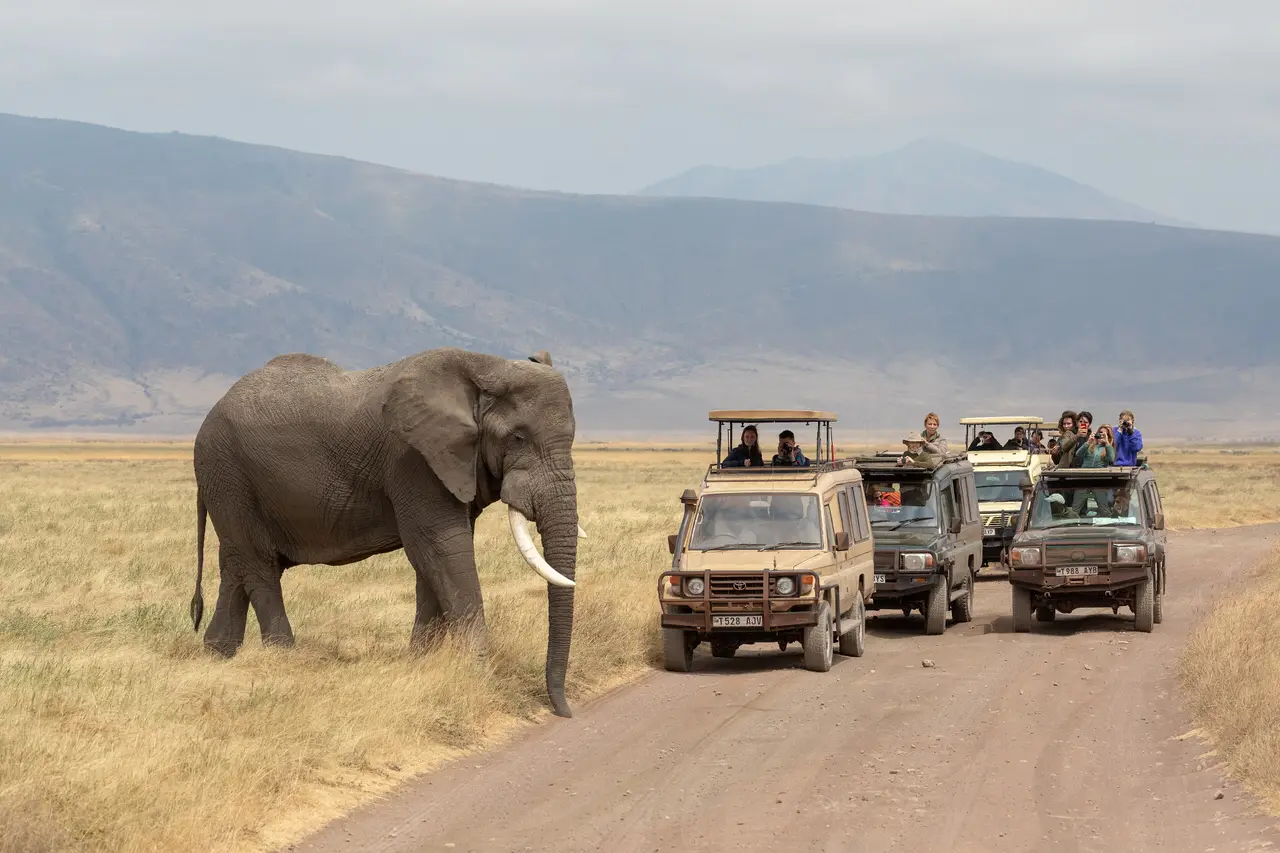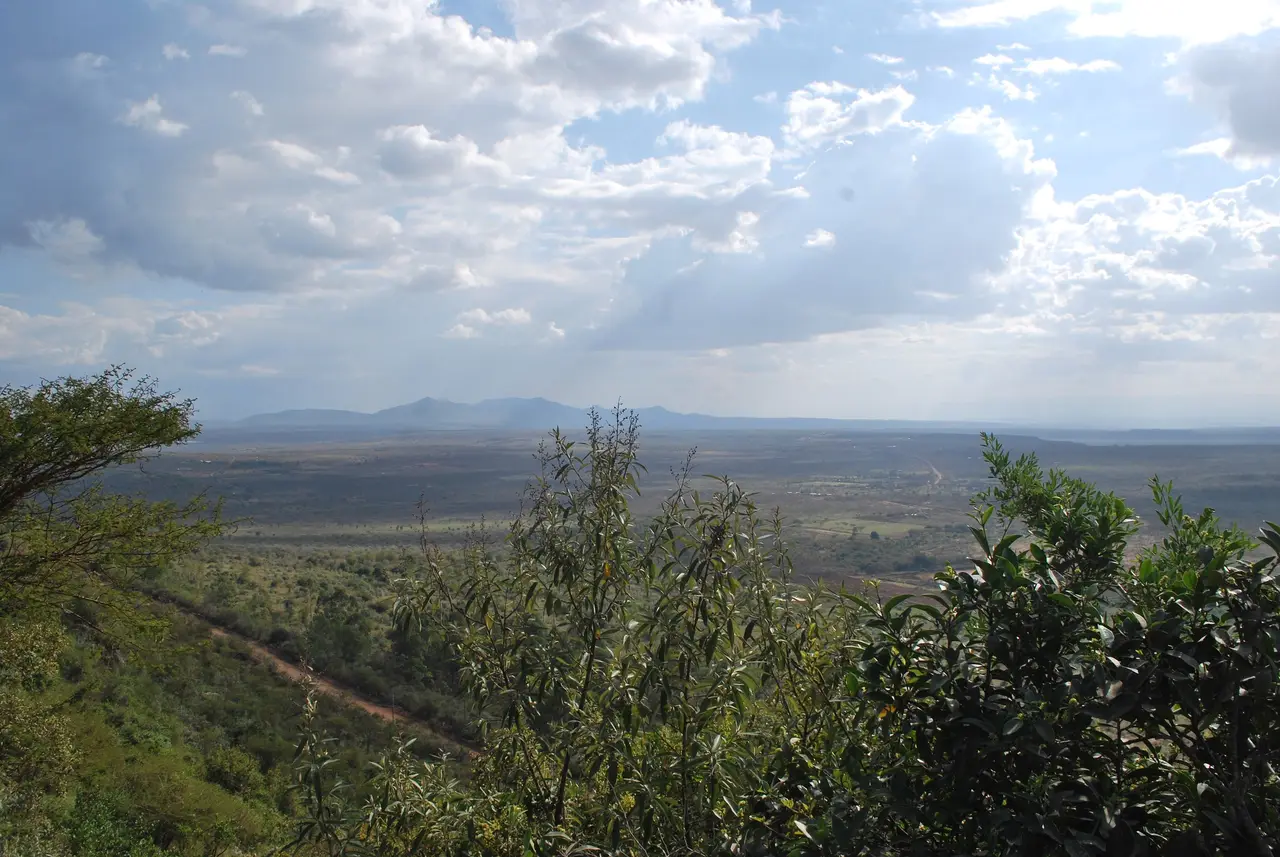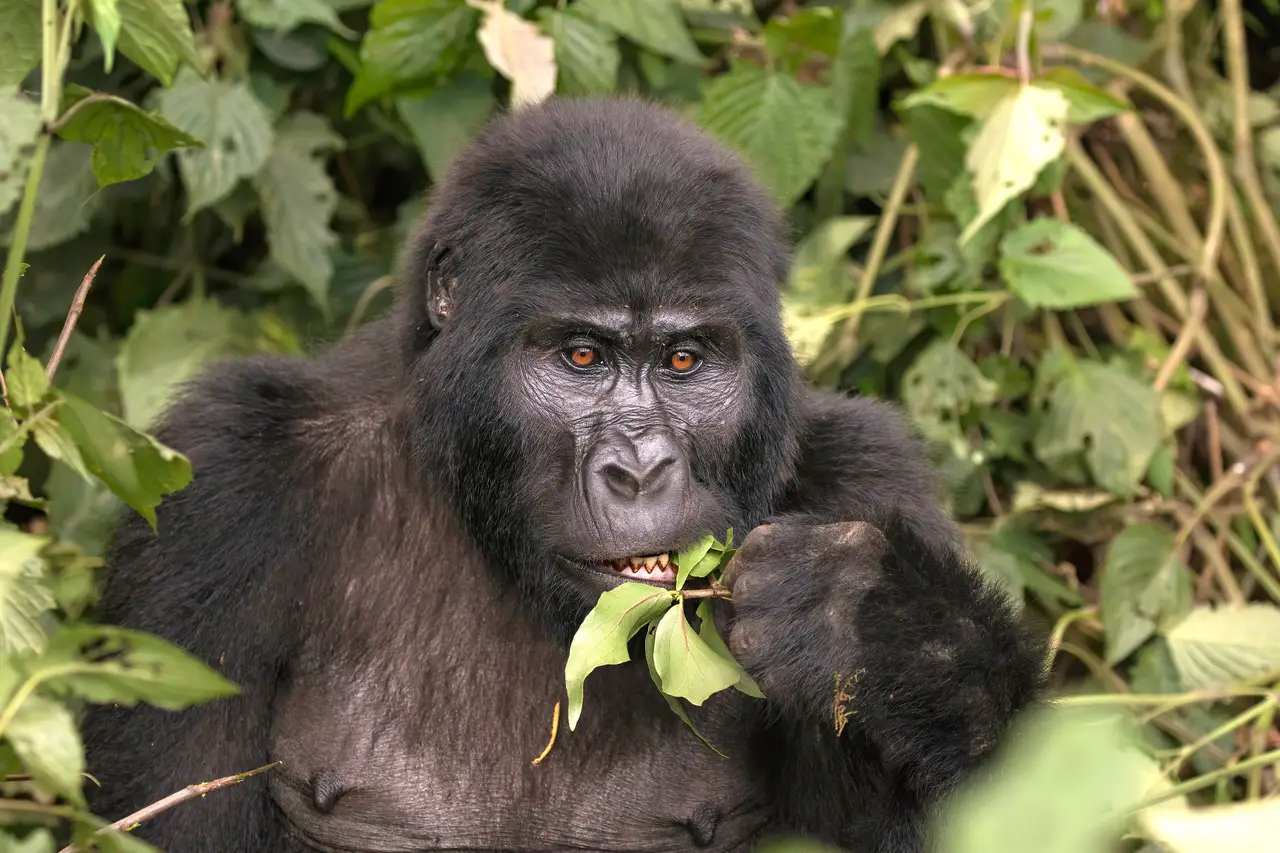
Uganda is home to about half of the world’s remaining mountain gorillas, in the Bwindi Impenetrable Forest. But the country is not just gorillas: in Kibale you track chimpanzees, at Murchison the Nile squeezes through a seven-metre gorge, in Queen Elizabeth lions rest on the branches of fig trees. A different safari, greener and more on foot.
When to go
Gorillas can be seen all year round. The dry seasons, from June to September and from December to February, are the best: the forest trails are less muddy and the park tracks easier to drive. From March to May and in November it rains more, but the forest is greener and the lodges quieter. Month by month: when to go to Uganda.
Documents and entry
You need a tourist visa, to be applied for online before departure on the Ugandan government’s official portal. If you are also visiting Kenya or Rwanda you can apply for the East Africa Tourist Visa, valid for all three countries. The passport must be valid for at least six months. FCDO travel advice for Uganda. Full details: visa and documents for Uganda.
Health
A yellow fever vaccination certificate is required on entry. Malaria prophylaxis is recommended throughout the country. For gorilla trekking you need to be in good health: anyone with a cold or a fever cannot enter the forest, so as not to infect the animals.
What to see
Bwindi: the impenetrable forest of the mountain gorillas, reachable only on foot. Kibale: the chimpanzee forest, with thirteen primate species. Queen Elizabeth: savannah, a boat trip on the Kazinga Channel and the tree-climbing lions of Ishasha. Murchison Falls: the Nile bursting through a narrow gorge, Rothschild’s giraffes and river cruises. Lake Mburo: zebras and eland, and walking safaris.