Seasons 2 min read
The green season: why the rainy months can be the best
Fewer vehicles, lower prices, green landscapes and newborn young. The rainy season comes at a price, but for many travellers it is the right one.
Weltweg editorial team updated 16 September 2026
In this article4 sections
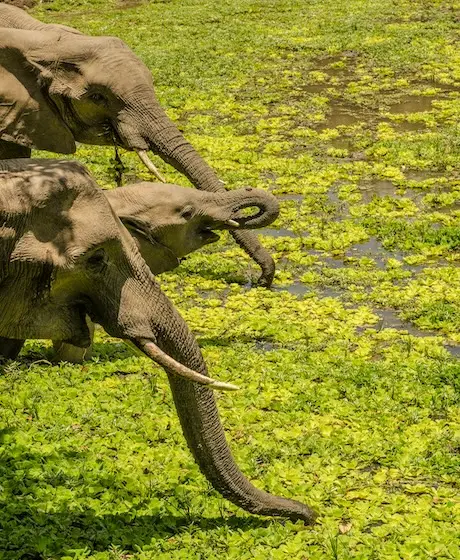
In brochures the rainy season appears as low season, almost a fallback. It is a commercial definition, not a naturalist’s one. For wildlife, and for those who watch it, the green months have clear advantages, and a few limitations worth knowing before you choose.
What you gain
Fewer vehicles. In the busiest parks the difference from high season is obvious, and it changes the quality of every sighting. Lower prices. Many lodges and camps apply reduced rates, and in some reserves entry fees are lower too, as in the Masai Mara in the first half of the year. The young. In many areas births are concentrated in the green season, and with the young come the predators. The birds. The rains bring migratory species, and birdwatching is at its best.
What you lose
Tall grass hides the animals, which, with water available everywhere, have no reason to gather around rivers and waterholes. Some tracks become difficult and in the wettest months certain camps close. Mosquitoes are more numerous: malaria prophylaxis, always to be discussed with your doctor, becomes even more important.
The right months and those to avoid
Not all of the green season is the same. In East Africa the short rains, between November and December, usually fall as afternoon showers that leave the mornings and late afternoons free. Between January and February there is often a drier lull, which in the southern Serengeti coincides with the calving season of the Great Migration. April and May, with the long rains, are instead the months when the compromises weigh most.
In Southern Africa the calendar is different: the green season runs roughly from November to April, and in Etosha it means more dispersed wildlife, but also landscapes and births that are not seen in the dry season.
Who it suits
Those who have already been on safari and are looking for a different experience, photographers who prefer brooding skies and greenery to the golden savannah, and those travelling on a defined budget. It is less suited to first-timers whose aim is to see as many animals as possible in a few days.